
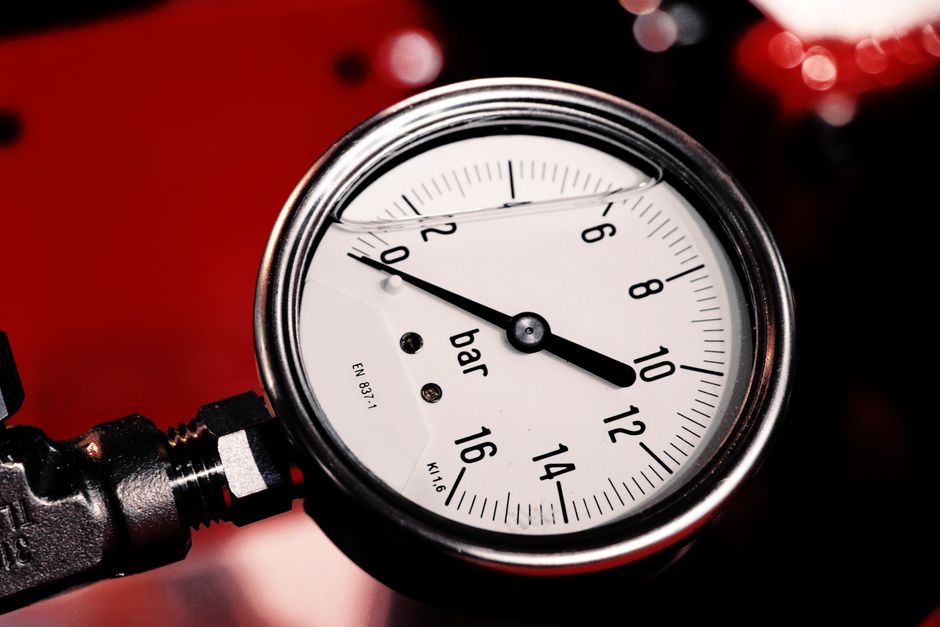
1. Understanding High Flow Rate Flowmeters
High flow rate processes are common in industries such as water treatment, oil and gas, chemical processing, and power generation. Selecting the right flowmeter is critical for accurate measurement and process control. Flowmeters for high flow rates must handle large volumes without significant pressure drop or degradation in performance. Common types include electromagnetic, ultrasonic, and turbine flowmeters, each with specific advantages depending on the fluid properties and application requirements.
When choosing a flowmeter for high flow rates, consider factors like fluid conductivity, temperature, pressure, and the presence of solids or bubbles. Electromagnetic flowmeters are ideal for conductive liquids and offer low pressure loss. Ultrasonic flowmeters can handle both clean and dirty fluids, with clamp-on options for non-invasive measurement. Turbine flowmeters provide high accuracy for clean, low-viscosity liquids but may require regular maintenance due to moving parts.
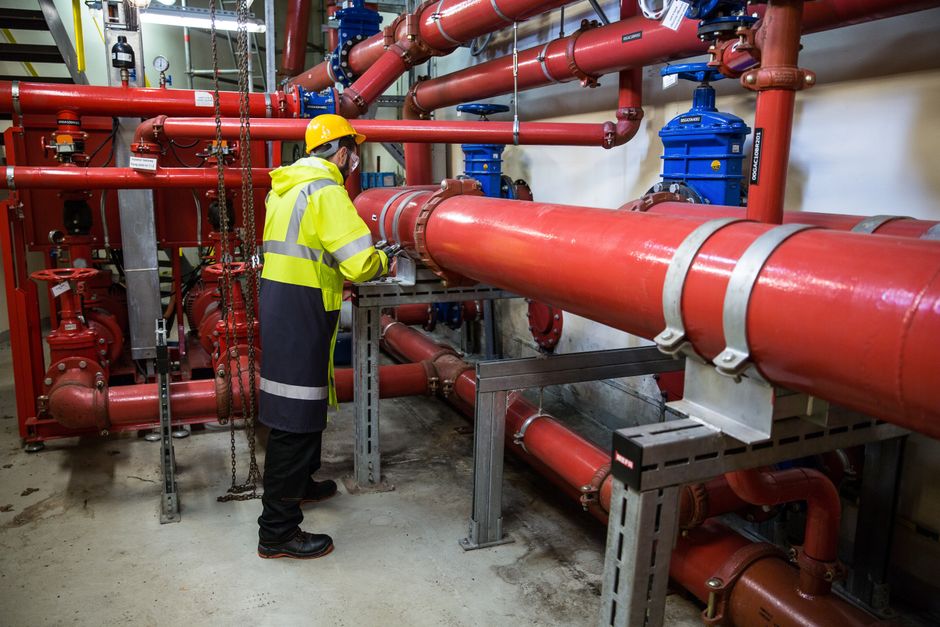
2. Key Considerations for High Flow Rate Applications
Accuracy and repeatability are paramount in high flow rate processes, as even small errors can lead to significant product loss or inefficiency. Flowmeters should have a wide turndown ratio to handle varying flow conditions without losing accuracy. Additionally, the meter's material compatibility with the process fluid is essential to avoid corrosion or contamination. Installation requirements, such as straight pipe runs, must be met to ensure optimal performance.
Pressure drop is another critical factor. High flow rates can cause substantial pressure loss across the flowmeter, which may require additional pumping energy. Flowmeters with minimal obstruction, like electromagnetic and ultrasonic types, are preferred to reduce energy costs. Furthermore, consider the cost of ownership, including initial purchase, installation, calibration, and maintenance. A reliable flowmeter from a reputable manufacturer can provide long-term savings by minimizing downtime and ensuring process efficiency.
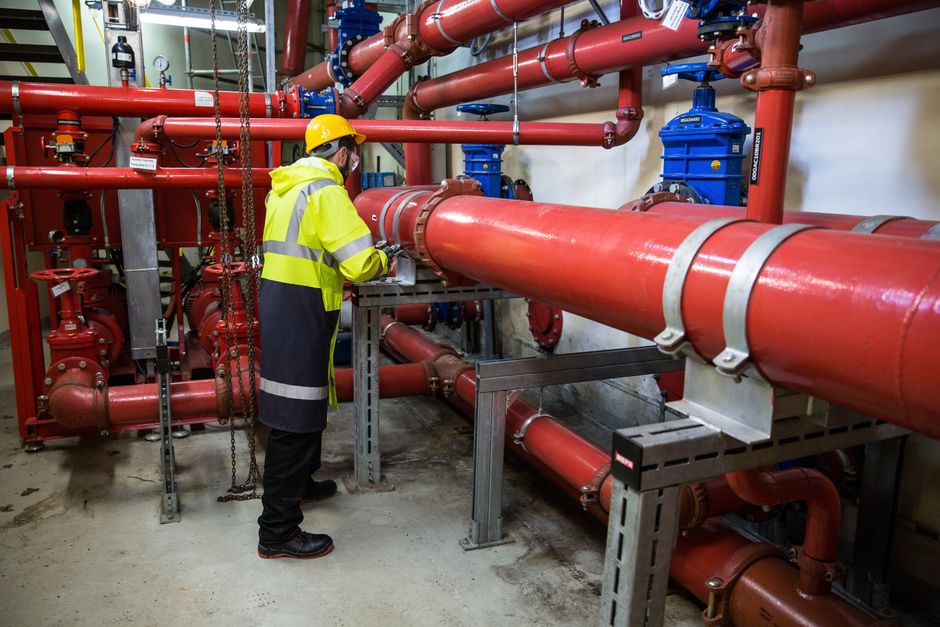
3. Top Flowmeter Technologies for High Flow Rates
Electromagnetic flowmeters are widely used for high flow rates due to their low pressure drop and ability to handle conductive liquids with suspended solids. They are available in large pipe sizes, up to several meters in diameter, making them suitable for water and wastewater applications. Their accuracy is typically within ±0.5% of rate, and they offer excellent repeatability.
Ultrasonic flowmeters, especially transit-time and Doppler types, are non-invasive and can measure flow in large pipes without moving parts. They are ideal for clean liquids (transit-time) or liquids with solids/bubbles (Doppler). Clamp-on models allow easy installation without cutting pipes, reducing downtime. Accuracy ranges from ±1% to ±5% depending on the application.
Turbine flowmeters offer high accuracy (±0.25% to ±0.5%) for clean, low-viscosity liquids at high flow rates. They are available in sizes up to 24 inches or more. However, they have moving parts that require maintenance and can cause pressure drop. They are best suited for custody transfer and other high-precision applications.
4. Installation Best Practices for High Flow Rate Flowmeters
Proper installation is crucial for accurate measurement. Most flowmeters require a certain length of straight pipe upstream and downstream to ensure fully developed flow profiles. For example, electromagnetic and ultrasonic flowmeters typically need 5-10 diameters of straight pipe upstream and 3-5 diameters downstream. Avoid installing flowmeters near elbows, valves, or pumps that can cause flow disturbances.
Orientation also matters. Some flowmeters must be installed horizontally or vertically to ensure proper operation. For liquids, mounting the meter in a location where the pipe is always full prevents air pockets that can cause measurement errors. Additionally, consider grounding requirements for electromagnetic flowmeters to avoid electrical interference. Always follow the manufacturer's guidelines for installation to achieve optimal performance and longevity.
5. Calibration and Maintenance for High Flow Rate Meters
Regular calibration ensures that flowmeters maintain their accuracy over time. High flow rate meters should be calibrated at intervals recommended by the manufacturer, typically annually or biannually. Calibration can be done in situ using portable calibrators or by sending the meter to a certified lab. In-line verification devices can check performance without removing the meter, reducing downtime.
Maintenance varies by type. Electromagnetic and ultrasonic flowmeters have no moving parts, so they require minimal maintenance—mainly cleaning the electrodes or transducers. Turbine flowmeters need periodic bearing replacement and cleaning to remove debris. For all types, inspect for signs of wear, corrosion, or fouling. Keep a log of calibration results and maintenance activities to track performance trends and plan proactive servicing.
6. Cost-Effectiveness and ROI of High Flow Rate Flowmeters
Investing in high-quality flowmeters for high flow rate processes can significantly improve operational efficiency and reduce waste. Accurate measurement helps optimize raw material usage, energy consumption, and product quality. For example, in water treatment, precise flow control reduces chemical dosing costs. In oil and gas, custody transfer meters with high accuracy minimize revenue loss.
The initial cost of flowmeters varies widely: electromagnetic and ultrasonic meters tend to be more expensive upfront but offer lower maintenance costs. Turbine meters are less expensive but may incur higher maintenance. When evaluating ROI, consider the total cost of ownership over the meter's lifespan, including installation, calibration, energy consumption, and downtime. A slightly higher upfront investment in a reliable, low-maintenance meter often pays off through improved process reliability and reduced operational costs.
7. Future Trends in High Flow Rate Flow Measurement
The flowmeter industry is evolving with advancements in sensor technology, digital communication, and data analytics. Smart flowmeters with built-in diagnostics and IoT connectivity enable real-time monitoring and predictive maintenance. For high flow rate applications, non-invasive technologies like clamp-on ultrasonic meters are gaining popularity due to ease of installation and no pressure drop.
Another trend is the use of multiphase flowmeters capable of measuring mixtures of oil, water, and gas in pipelines. These are particularly valuable in the oil and gas industry. Additionally, manufacturers are developing flowmeters with higher turndown ratios and better accuracy at low and high flow extremes. As sustainability becomes a priority, flowmeters that help reduce energy consumption and water waste will be in high demand. Keeping abreast of these trends can help businesses select future-proof solutions.
8. Selecting the Right Flowmeter for Your High Flow Process
To choose the best flowmeter, start by defining your process requirements: fluid type, flow range, pipe size, temperature, pressure, and desired accuracy. Also consider the fluid's electrical conductivity, viscosity, and whether it contains solids or bubbles. For conductive liquids, electromagnetic flowmeters are often the best choice. For non-conductive or clean liquids, ultrasonic or turbine meters may be suitable.
Consult with flowmeter manufacturers or distributors who can provide application expertise. Request quotes and technical specifications for multiple options. Evaluate the total cost of ownership, including installation and maintenance. Finally, consider the manufacturer's reputation and after-sales support. A trusted supplier like our company offers a range of flowmeters designed for high flow rates, with expert guidance to ensure you get the right solution for your process.