
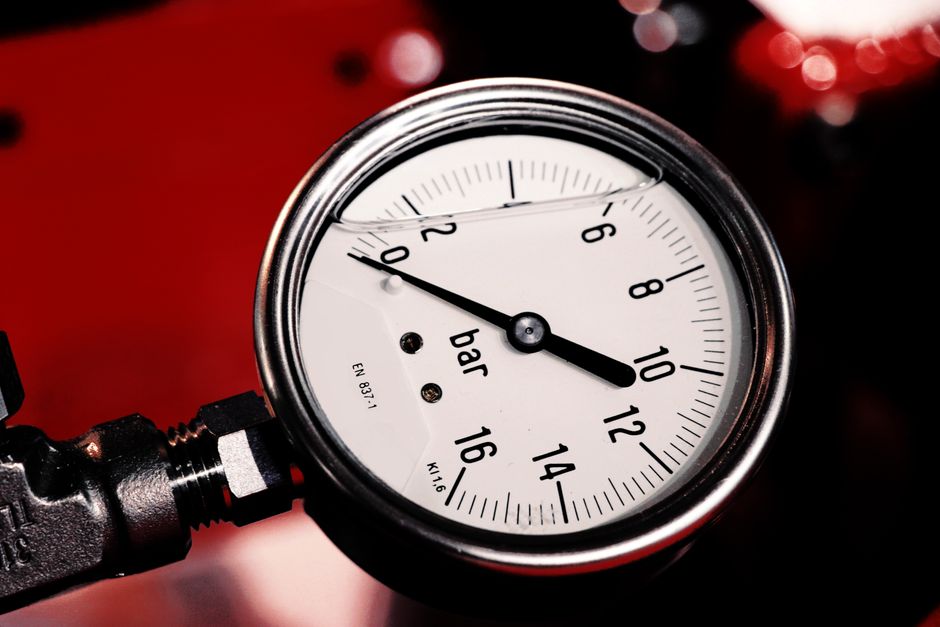
1. Electromagnetic Flowmeters: The Top Choice for Stock and Slurries
Electromagnetic flowmeters, also known as magmeters, are widely used in pulp and paper mills for measuring conductive fluids like stock, black liquor, and white water. Their key advantage is that they have no moving parts, which minimizes maintenance and wear from abrasive fibers and chemicals. This makes them highly reliable for continuous operation in harsh environments.
Magmeters offer high accuracy (typically ±0.5% of rate) and can handle varying flow rates and pressures. They are also resistant to corrosion and can be lined with materials like PTFE or rubber to withstand aggressive chemicals. For pulp and paper applications, look for models with a minimum conductivity requirement of 5 µS/cm to ensure proper functioning.
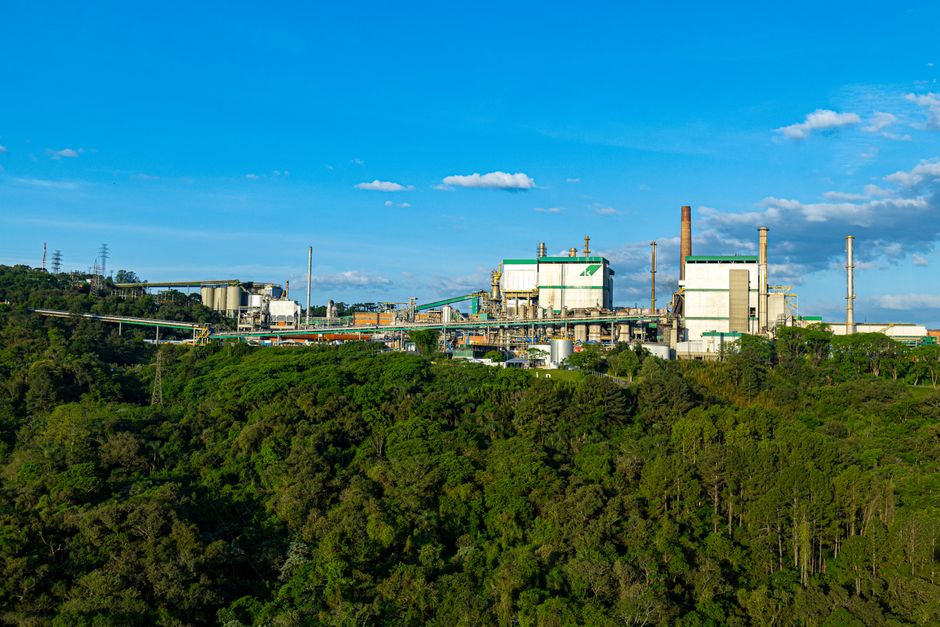
2. Coriolis Mass Flowmeters: Precision for Additives and Coatings
Coriolis flowmeters measure mass flow directly, making them ideal for precise dosing of expensive additives, dyes, and coatings. They are unaffected by changes in fluid density, viscosity, or temperature, providing exceptional accuracy (up to ±0.1% of rate). This precision helps reduce waste and improve product quality.
In addition to mass flow, Coriolis meters can measure density and temperature, offering valuable process insights. They are available in various sizes and materials, including stainless steel and Hastelloy, to resist corrosion. However, they are typically more expensive than other types, so they are best used for critical applications where accuracy is paramount.
3. Ultrasonic Flowmeters: Non-Invasive for Clean and Dirty Liquids
Ultrasonic flowmeters use sound waves to measure flow, making them a non-invasive option that doesn't require contact with the fluid. This is particularly useful for measuring corrosive chemicals or fluids that could contaminate the meter. There are two main types: transit-time and Doppler.
Transit-time meters work well with clean liquids like water and clear process fluids, while Doppler meters are better for liquids containing bubbles or solids, such as stock and slurries. Clamp-on ultrasonic meters can be installed without cutting pipes, reducing downtime and installation costs. They are reliable and require minimal maintenance, but accuracy can be affected by pipe material and fluid properties.
4. Vortex Flowmeters: Robust for Steam and Gas Measurement
Vortex flowmeters are ideal for measuring steam, compressed air, and other gases used in pulp and paper mills. They work by detecting vortices shed by a bluff body in the flow stream. They have no moving parts, making them durable and low-maintenance, and can handle high temperatures and pressures.
Vortex meters offer good accuracy (typically ±1% of rate) and a wide turndown ratio. They are commonly used for energy management, such as measuring steam flow to dryers or boilers. Some models can also measure liquids, but they are most effective for clean, low-viscosity fluids. Ensure the meter is sized correctly for the expected flow range to maintain accuracy.
5. Differential Pressure Flowmeters: Versatile and Cost-Effective
Differential pressure (DP) flowmeters are one of the most common types in industrial settings, including pulp and paper. They work by measuring the pressure drop across a primary element like an orifice plate, venturi, or pitot tube. DP meters are versatile and can be used for liquids, gases, and steam.
They are relatively inexpensive and have a well-established technology. However, they can have higher permanent pressure loss and require more maintenance due to potential clogging or wear. For pulp and paper, orifice plates are often used for clean fluids, while venturis are better for slurries due to lower pressure loss. Modern DP transmitters with digital compensation can improve accuracy.
6. Positive Displacement Flowmeters: Accurate for Low Flow and High Viscosity
Positive displacement (PD) flowmeters are excellent for measuring low flow rates and high-viscosity fluids, such as lubricating oils, resins, and adhesives used in paper mills. They work by trapping fixed volumes of fluid and counting the number of displacements, providing high accuracy (up to ±0.1% of reading).
PD meters have moving parts like gears or pistons, which can wear over time, especially with abrasive fluids. They are best suited for clean, non-abrasive liquids. In pulp and paper, they are often used for additive injection and quality control. Regular maintenance is required to ensure long-term reliability.
7. Thermal Mass Flowmeters: Ideal for Air and Gas Flow Monitoring
Thermal mass flowmeters measure gas flow directly by sensing the heat transfer from a heated sensor. They are commonly used for monitoring compressed air, natural gas, and other process gases in pulp and paper mills. They provide fast response and are unaffected by changes in pressure and temperature.
These meters offer a wide turndown ratio and are suitable for low flow rates. They are often used for leak detection, energy audits, and combustion control. However, they require clean, dry gases and may need calibration for different gas compositions. For best results, choose a model with a corrosion-resistant sensor for harsh environments.
8. Choosing the Right Flowmeter: Key Considerations
When selecting a flowmeter for pulp and paper applications, consider the fluid properties (conductivity, viscosity, abrasiveness, corrosiveness), flow range, accuracy requirements, and environmental conditions (temperature, pressure, vibration). Also factor in installation constraints, such as pipe size and available straight pipe runs.
Budget and maintenance capabilities are also important. While electromagnetic and ultrasonic meters offer low maintenance, Coriolis and PD meters may require more attention. Always consult with a flowmeter specialist to ensure the best match for your specific process. A well-chosen flowmeter will improve efficiency, reduce waste, and enhance product quality.
9. Maintenance Tips for Long-Term Reliability
Regular maintenance is crucial for flowmeter accuracy and longevity. For magmeters, keep the electrodes clean and check for liner damage. For Coriolis meters, ensure the tubes are free from buildup. Ultrasonic meters require clean transducer faces, while vortex meters need periodic inspection for fouling.
Implement a calibration schedule based on the meter's criticality and manufacturer recommendations. Use proper grounding and shielding for electronic meters to avoid interference. By following these practices, you can maximize uptime and ensure reliable flow measurement in your pulp and paper mill.