
Why Flowmeters Are Critical in Mining Operations
In the mining industry, accurate flow measurement is essential for process control, safety, and cost efficiency. From slurry transport to chemical dosing and water management, flowmeters must withstand extreme conditions including high pressure, abrasive particles, and corrosive fluids. Heavy-duty flowmeters designed specifically for mining help operators optimize production, reduce downtime, and comply with environmental regulations.
Challenges of Flow Measurement in Mining Environments
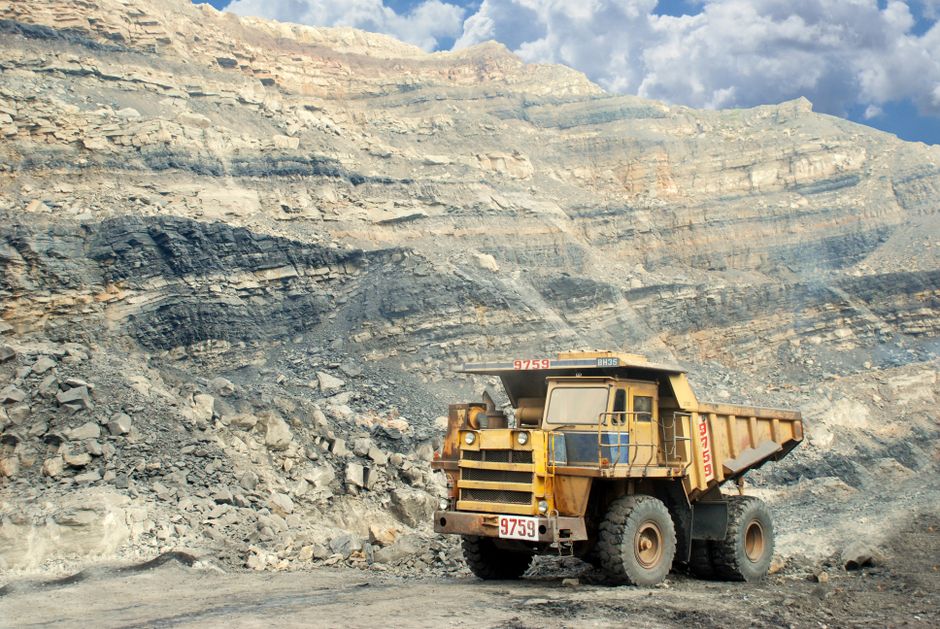
Mining applications present unique challenges that standard flowmeters cannot handle:
- Abrasive slurries: Ore slurries contain solid particles that wear down sensor surfaces.
- High viscosity: Thick pastes and tailings require robust metering technologies.
- Large pipe diameters: Many mining pipelines exceed 12 inches, demanding insertion or clamp-on solutions.
- Extreme temperatures and pressures: Deep mining and processing involve harsh conditions.
- Electrical noise: Heavy machinery can interfere with electronic flowmeters.
Types of Flowmeters for Mining Applications
Electromagnetic Flowmeters
Ideal for conductive slurries and water-based fluids. They have no moving parts, reducing wear. Best for clean or slightly abrasive liquids. Accuracy: ±0.5% of rate. Suitable for pipe sizes up to 80 inches.
Coriolis Flowmeters
Direct mass flow measurement, unaffected by fluid properties. Excellent for viscous slurries and multiphase flows. High accuracy (±0.1%) but higher cost. Used in critical chemical dosing and dense medium separation.
Ultrasonic Flowmeters
Non-invasive clamp-on types are popular for retrofitting. Doppler models work with slurries containing solids. Transit-time models for clean liquids. Accuracy varies (1-5%). Good for large pipes and temporary installations.
Magnetic Flowmeters with Lined Sensors
Similar to electromagnetic but with abrasion-resistant liners (polyurethane, ceramic). Designed specifically for abrasive slurries. Long service life. Accuracy ±0.5% to ±1%.
Vortex Flowmeters
Suitable for steam, gases, and low-viscosity liquids. Not recommended for slurries. Used in utility systems like compressed air and natural gas.
| Flowmeter Type | Best For | Accuracy | Limitations |
|---|---|---|---|
| Electromagnetic | Conductive slurries, water | ±0.5% | Non-conductive fluids |
| Coriolis | Mass flow, viscous fluids | ±0.1% | High cost, pressure drop |
| Ultrasonic (Doppler) | Slurries with solids | ±1-5% | Requires particles |
| Magnetic (lined) | Abrasive slurries | ±0.5-1% | Liner wear over time |
| Vortex | Steam, gas, clean liquids | ±1% | Not for slurries |
Key Features of Heavy-Duty Mining Flowmeters
When selecting a flowmeter for mining, prioritize these features:
- Robust construction: Stainless steel or Hastelloy bodies, IP68 enclosures.
- Abrasion-resistant liners: Polyurethane, ceramic, or PTFE for slurry contact.
- Wide turndown ratio: At least 10:1 to handle variable flow rates.
- Low maintenance: No moving parts or self-cleaning designs.
- Communication protocols: Modbus, Profibus, or HART for integration with SCADA.
- Intrinsic safety: For hazardous areas (ATEX/IECEx certified).
Installation and Maintenance Best Practices
Proper installation extends flowmeter life. Follow these tips:
- Straight pipe runs: Ensure 10 diameters upstream and 5 downstream for accuracy.
- Orientation: Install in vertical or horizontal pipe with full pipe condition.
- Grounding: Proper grounding for electromagnetic flowmeters to avoid noise.
- Regular inspection: Check liners for wear, electrodes for coating, and wiring for damage.
- Calibration: Perform zero-point calibration annually or after maintenance.
Case Study: Slurry Flow Measurement in a Copper Mine
A large copper mine in Chile needed to measure abrasive copper concentrate slurry (60% solids) in a 24-inch pipeline. They installed a magnetic flowmeter with a polyurethane liner and ceramic electrodes. After two years, the liner showed minimal wear, and accuracy remained within 0.8%. The maintenance team developed a quarterly inspection routine, replacing the liner only once every five years. This solution reduced downtime by 30% compared to previous mechanical meters.
How to Choose the Right Flowmeter for Your Mining Application
Follow this decision framework:
- Define fluid properties: Conductivity, abrasiveness, viscosity, temperature, pressure.
- Determine accuracy needs: Billing or custody transfer requires high accuracy; process control may tolerate lower.
- Consider pipe size and material: Large pipes favor insertion or clamp-on ultrasonic meters.
- Evaluate environment: Hazardous areas need explosion-proof ratings.
- Budget vs. lifecycle cost: Cheaper meters may have higher maintenance costs.
Future Trends in Mining Flow Measurement
Emerging technologies include wireless flowmeters for remote monitoring, AI-based diagnostics for predictive maintenance, and clamp-on ultrasonic meters with improved accuracy for slurries. As mines adopt digitalization, flowmeters with IoT capabilities will become standard.
Conclusion
Selecting the right flowmeter for mining requires understanding the specific challenges of slurry handling, abrasion, and harsh conditions. Heavy-duty solutions like lined magnetic and Coriolis flowmeters offer reliability and accuracy. By following best practices in installation and maintenance, mining operations can achieve optimal performance and reduce total cost of ownership. For expert advice on flowmeter selection, contact our team today.