
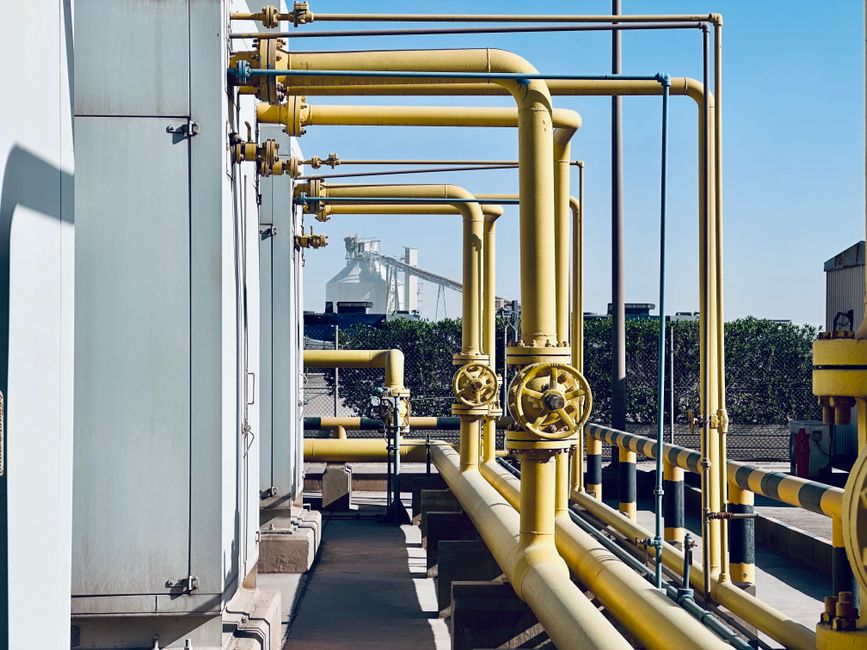
1. Thermal Mass Flowmeters
Thermal mass flowmeters are a top choice for gas measurement due to their direct mass flow reading without needing temperature or pressure compensation. They operate by measuring the heat dissipation from a heated sensor to the gas flow. This makes them highly accurate for low-flow applications and ideal for clean gases like air, nitrogen, and natural gas.
These meters are widely used in industries such as chemical processing, HVAC, and environmental monitoring. Their robust design with no moving parts ensures low maintenance and long service life. However, they may require calibration for specific gas compositions and are less suitable for dirty or wet gases.
For B2B buyers, thermal mass flowmeters offer reliable performance in custody transfer and process control. Consider models with built-in data logging and remote monitoring for enhanced operational efficiency.
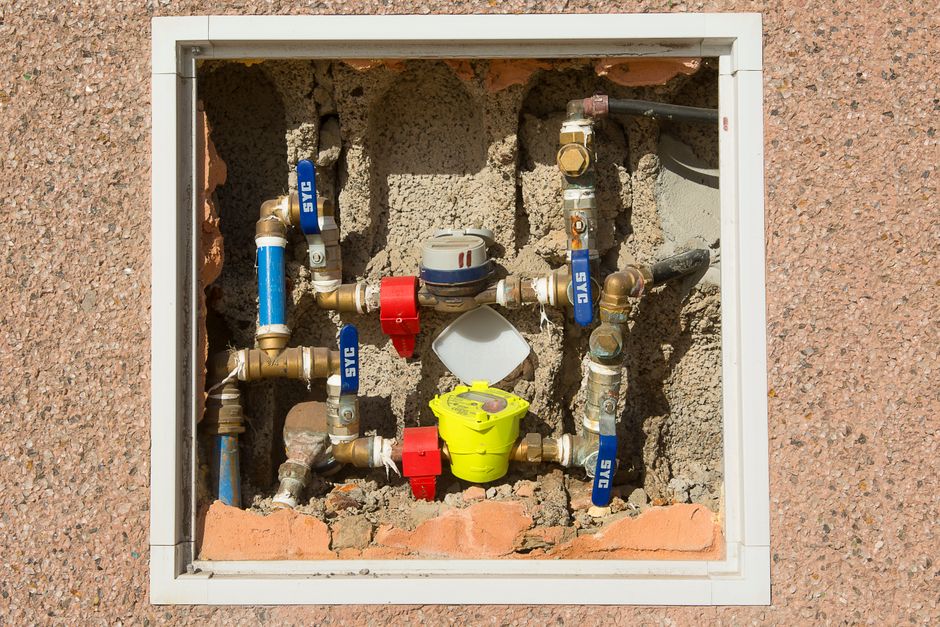
2. Vortex Flowmeters
Vortex flowmeters measure gas flow by detecting the frequency of vortices shed by a bluff body in the flow stream. This frequency is directly proportional to flow velocity, making them suitable for a wide range of gases, including steam and compressed air. They offer excellent accuracy and repeatability, even under varying temperature and pressure conditions.
These meters are popular in oil and gas, power generation, and industrial utilities. Their simple construction with no moving parts reduces wear and maintenance. However, they require a minimum flow velocity to generate vortices, so they are not ideal for very low flow rates. They also perform best with clean, dry gases.
When selecting a vortex flowmeter, look for models with smart diagnostics and digital outputs (e.g., HART, Modbus) to integrate with your control system. They are a cost-effective solution for many industrial gas measurement applications.
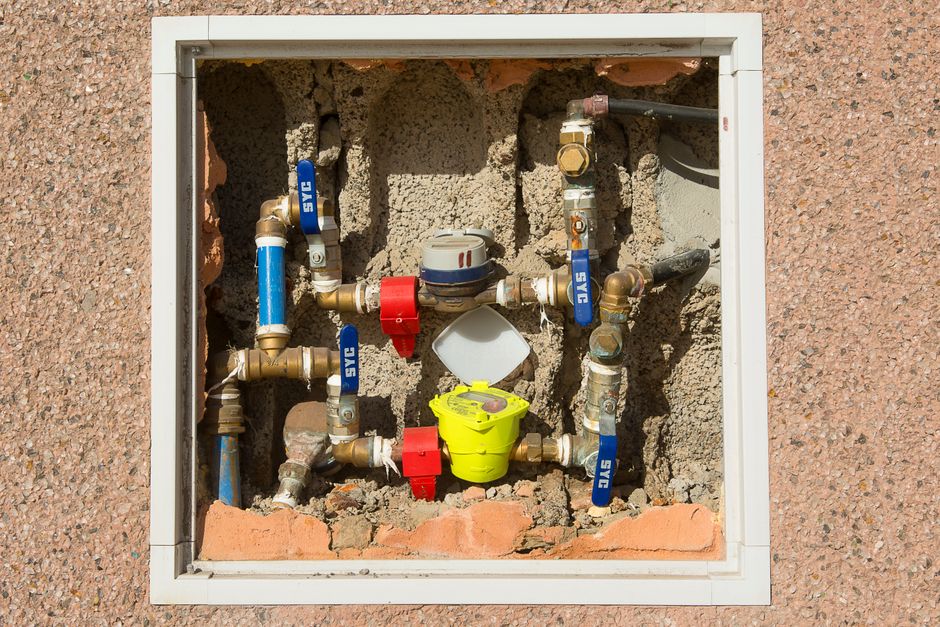
3. Coriolis Flowmeters
Coriolis flowmeters are known for their exceptional accuracy in mass flow measurement of gases. They work by inducing vibration in a tube and measuring the phase shift caused by the fluid's inertia. This technology directly measures mass flow and density, eliminating the need for additional sensors.
These meters are ideal for critical applications such as natural gas custody transfer, hydrogen fueling, and specialty gas blending. They can handle varying gas compositions and temperatures with high precision. The main drawback is their higher cost compared to other technologies, but the accuracy often justifies the investment.
For B2B manufacturers, Coriolis meters offer robust performance with minimal pressure drop. Choose models with corrosion-resistant materials for aggressive gases. Advanced features like multi-parameter measurement (flow, density, temperature) can reduce total cost of ownership.
4. Differential Pressure Flowmeters
Differential pressure (DP) flowmeters are one of the most common technologies for gas measurement. They work by creating a pressure drop across a primary element (e.g., orifice plate, venturi, nozzle) and calculating flow based on the pressure difference. This method is well-established and standardized (e.g., ISO 5167).
DP meters are versatile, inexpensive, and suitable for a wide range of gases, including dirty or wet gases when paired with proper impulse lines. They are widely used in refineries, chemical plants, and pipeline monitoring. However, they have a relatively high permanent pressure loss and require regular maintenance to ensure accuracy.
Modern DP transmitters with digital compensation can improve accuracy and turndown ratio. For B2B applications, consider integrated DP flowmeters that combine the primary element and transmitter in one package for easier installation and reduced leak points.
5. Ultrasonic Flowmeters
Ultrasonic flowmeters use sound waves to measure gas velocity. Transit-time meters measure the time difference between upstream and downstream signals, while Doppler meters rely on frequency shift from particles in the gas. They are non-invasive (clamp-on) or inline, with no moving parts, offering low maintenance.
These meters excel in large pipe diameters and high-flow applications, such as natural gas transmission and flare gas measurement. They can handle biogas, steam, and corrosive gases. Accuracy is good, but they require clean gas for transit-time models; Doppler meters need sufficient particulates or bubbles.
For B2B buyers, ultrasonic meters provide bidirectional measurement and wide turndown ratios. Look for models with advanced signal processing to handle noisy environments. They are an excellent choice for retrofitting existing pipelines without process interruption.
6. Turbine Flowmeters
Turbine flowmeters measure gas flow by counting the rotations of a rotor placed in the flow stream. The rotational speed is proportional to flow velocity. They are known for their high accuracy and repeatability, especially at moderate to high flow rates.
These meters are commonly used in natural gas distribution, industrial gas metering, and custody transfer. They require clean, dry gas to avoid rotor damage and wear. Turbine meters have moving parts, so they need periodic calibration and maintenance. They also cause a slight pressure drop.
When selecting a turbine flowmeter, consider models with pulse output for remote totalization and flow rate indication. For B2B applications, choose materials compatible with the gas (e.g., stainless steel for corrosive gases). They are a cost-effective option for high-volume gas measurement.
7. Positive Displacement Flowmeters
Positive displacement (PD) flowmeters measure gas by trapping fixed volumes and counting the number of cycles. Common types include diaphragm, rotary vane, and piston meters. They are highly accurate for low to medium flow rates and are insensitive to flow profile disturbances.
PD meters are ideal for residential and commercial gas metering, as well as industrial applications where custody transfer requires high accuracy. They handle dirty gases better than turbine meters but have moving parts that require maintenance. They also create a pressure drop and are bulky for large flows.
For B2B buyers, PD meters offer excellent turndown and long-term stability. Look for models with temperature compensation and smart communication protocols. They are a reliable choice for billing and process monitoring where accuracy is paramount.