
Introduction to Custom Hydraulic Press Solutions
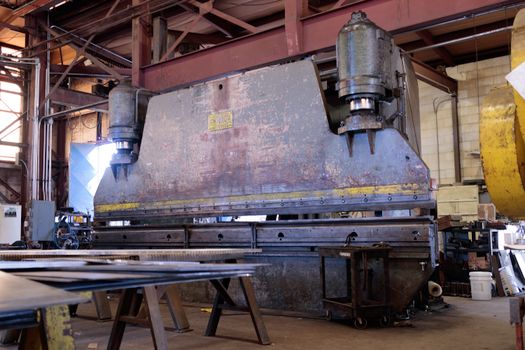
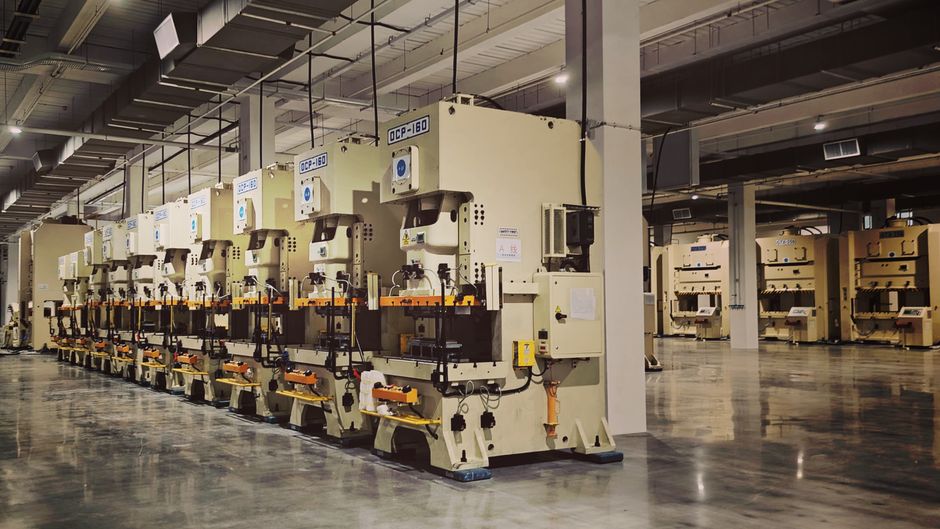
In the competitive world of B2B manufacturing, standard hydraulic presses often fall short of meeting specific production requirements. Custom hydraulic press options offer tailored solutions that optimize efficiency, safety, and output quality. This guide provides a comprehensive overview for buyers seeking to invest in bespoke hydraulic press systems for their operations.
Why Choose a Custom Hydraulic Press?
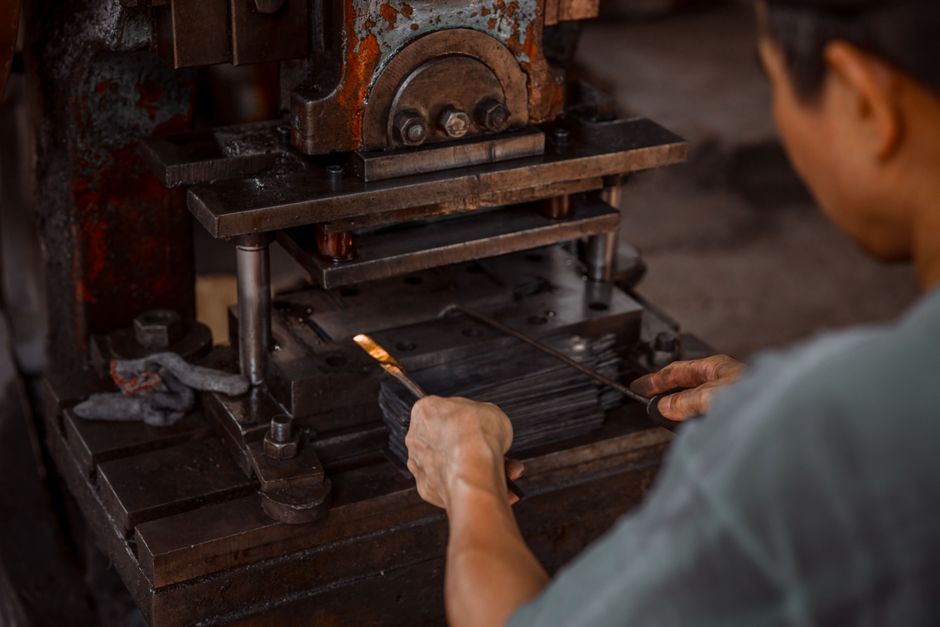
Standard presses are designed for broad applications, but custom presses are engineered to fit your exact specifications. Benefits include:
- Enhanced Efficiency: Customized cycle times and automation reduce waste.
- Improved Safety: Integrated safety features match your workplace protocols.
- Space Optimization: Custom footprints fit existing floor plans.
- Higher Quality Output: Precision control ensures consistent results.
Key Considerations Before Ordering a Custom Press
1. Application and Material Requirements
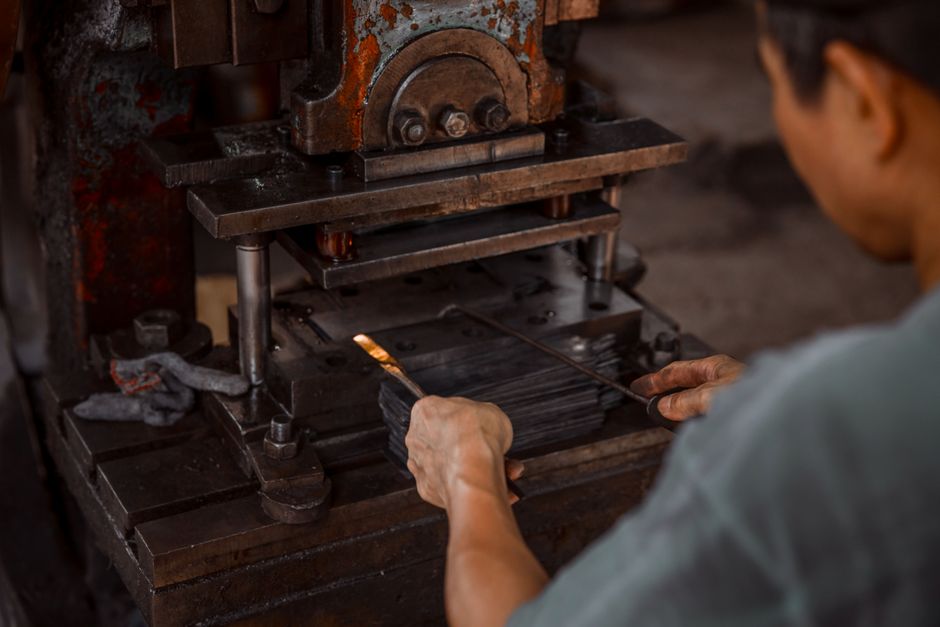
Define the materials you will process (metal, plastic, composites) and the required force (tonnage). For example, deep drawing requires different force profiles than stamping. Consider whether you need single-acting or double-acting cylinders.
2. Cycle Time and Production Volume
High-volume operations demand faster cycle times. Custom presses can include servo-driven pumps for rapid approach and slow pressing phases. Calculate your required cycles per minute to determine pump and valve specifications.
3. Safety and Compliance Standards
Ensure the press meets OSHA, ANSI, or EU machinery directives. Options include light curtains, two-hand controls, and safety mats. Discuss risk assessments with your manufacturer.
Customization Options: From Frame to Controls
| Component | Customization Options | Impact |
|---|---|---|
| Frame | Welded steel, cast iron, or reinforced plate | Rigidity and durability |
| Hydraulic System | Pump type (gear, piston, vane), tank size, filtration level | Speed, noise, and maintenance |
| Controls | PLC, HMI, remote monitoring, data logging | Automation and traceability |
| Tooling | Die sets, fixtures, quick-change systems | Setup time and versatility |
| Safety | Light curtains, guards, emergency stops, interlocks | Operator protection |
Step-by-Step Process to Order a Custom Press
- Needs Assessment: Document all technical requirements and budget.
- Request for Quotation (RFQ): Send specifications to multiple manufacturers.
- Design Review: Collaborate on CAD drawings and simulations.
- Prototyping: For complex applications, request a prototype or simulation.
- Manufacturing: Monitor progress with regular updates.
- Testing & Commissioning: Validate performance with your materials.
- Training & Support: Ensure operators and maintenance staff are trained.
Cost Factors and Budgeting
Custom hydraulic press prices vary widely based on:
- Tonnage rating (higher tonnage = higher cost)
- Automation level (basic manual vs. fully automated)
- Material quality (cast vs. welded frame)
- Control system complexity
- Lead time (expedited orders cost more)
Typical range for a 100-ton custom press: $50,000–$150,000. Always factor in installation, training, and potential downtime during integration.
Top Manufacturers and How to Evaluate Them
Look for manufacturers with ISO 9001 certification, industry experience (e.g., automotive, aerospace), and after-sales support. Request references and visit their facility if possible. Key questions to ask:
- What is your typical lead time?
- Do you provide on-site commissioning?
- What is your warranty policy?
- Can you customize the control software?
Common Mistakes to Avoid
- Underestimating maintenance requirements (e.g., oil changes, filter replacements)
- Overlooking floor loading capacity and foundation needs
- Ignoring future scalability (e.g., adding automation later)
- Choosing price over quality (cheaper presses may have higher downtime)
Conclusion and Next Steps
Investing in a custom hydraulic press is a strategic decision that can significantly boost your production capabilities. Start by clearly defining your needs, then engage with reputable manufacturers. Use this guide to navigate the process confidently and secure a press that delivers long-term value.
Contact our team for a free consultation and RFQ template. We specialize in designing and manufacturing custom hydraulic presses for B2B clients worldwide.