
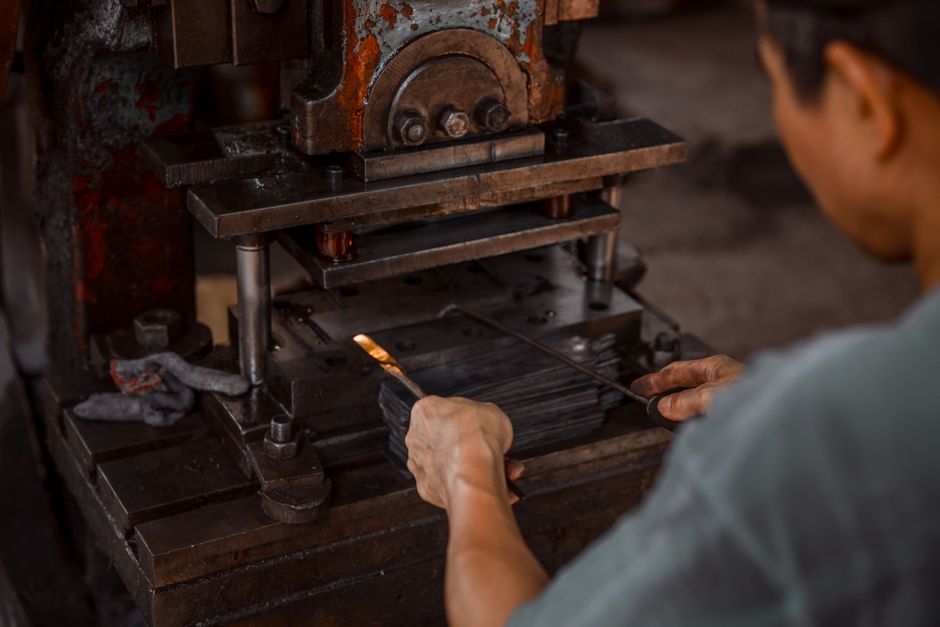
1. The 100-Ton Hydraulic Press for Heavy-Duty Oil Changes
When servicing large machinery like mining trucks or industrial generators, a standard press won't cut it. The 100-ton hydraulic press offers the muscle needed to remove stubborn bushings, bearings, and seals during oil change services. Its robust frame and high-pressure pump ensure consistent force, reducing downtime and labor costs.
This model features a double-acting cylinder for precise control, allowing technicians to apply force gradually. Safety is paramount with overload protection and a pressure gauge. For B2B buyers, investing in a 100-ton press means fewer returns and higher customer satisfaction in heavy-equipment maintenance.
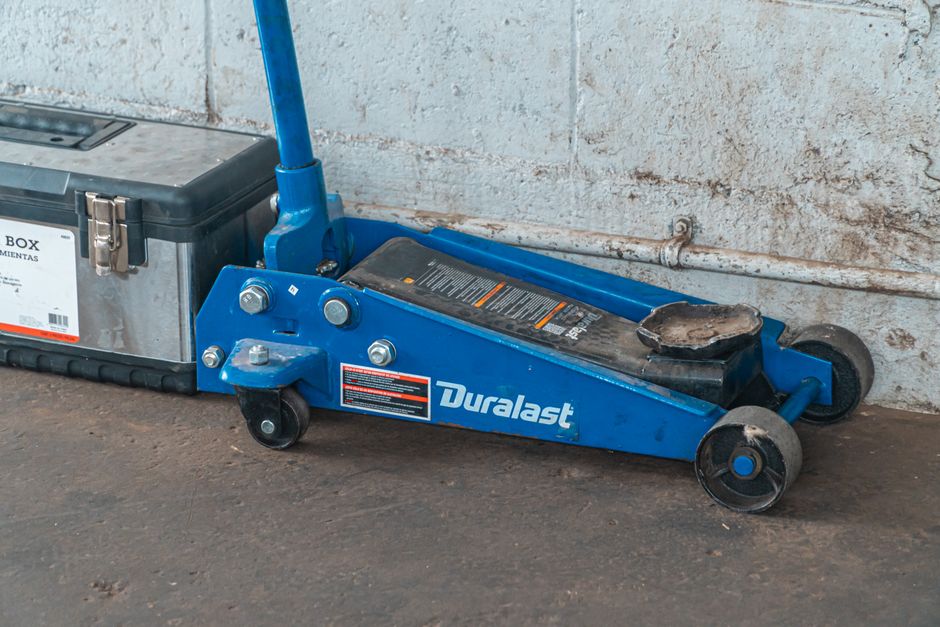
2. Portable Hydraulic Press for On-Site Oil Changes
Field service technicians often face space constraints. A portable hydraulic press, typically under 20 tons, is ideal for on-site oil changes in automotive shops or fleet maintenance. Its compact design includes wheels and a foldable frame, making it easy to transport between job sites.
Despite its size, it delivers reliable performance for pressing out oil filters, pulley bearings, and u-joints. Many models come with a manual pump for simplicity, but electric options are available for faster operation. For businesses expanding mobile services, this press is a game-changer.
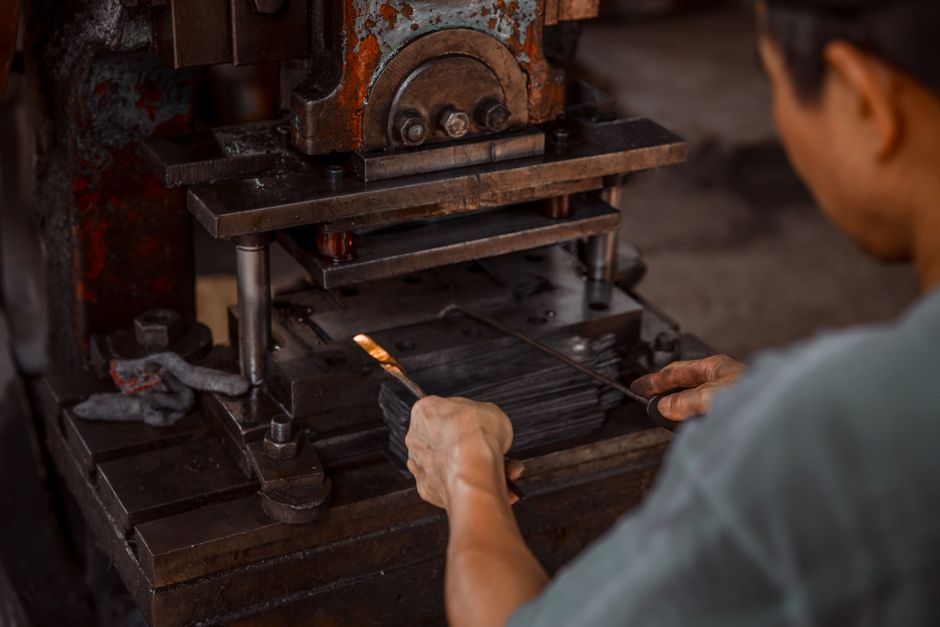
3. H-Frame Hydraulic Press with Adjustable Workbench
An H-frame press with an adjustable workbench offers versatility for oil change services. The open-sided design allows for easy positioning of components like oil pans or transmission housings. The workbench height can be modified to accommodate different part sizes.
This type is popular in workshops that handle diverse vehicles, from cars to heavy trucks. Features like a sliding cylinder and gauge ensure precise pressing. It's a cost-effective solution for shops needing a multi-purpose press without sacrificing quality.
4. C-Frame Hydraulic Press for Tight Spaces
When working on engine components during oil changes, a C-frame press excels in confined areas. Its open front and throat depth allow easy access to parts like valve guides or piston pins. This design is common in engine rebuilding and transmission work.
Available in 10-50 ton capacities, it fits well in smaller shops. The C-frame's rigidity ensures minimal deflection, providing accurate pressing. For oil change services requiring precision, this press is a top pick.
5. Electric Hydraulic Press with Digital Controls
Modern oil change services benefit from automation. An electric hydraulic press with digital controls offers programmable pressure settings and automatic retraction. This reduces operator fatigue and increases throughput in high-volume shops.
Digital displays show real-time force, and safety features include emergency stop and dual-hand operation. Ideal for pressing bearings or seals repeatedly, it ensures consistency. B2B clients appreciate the reduced training time and improved safety.
6. Air-Over-Hydraulic Press for Speed
Combining compressed air with hydraulics, the air-over-hydraulic press delivers fast cycling times. It's perfect for oil change services where speed is critical, such as quick-lube centers. The air pump reduces manual effort, and the hydraulic ram provides high force.
These presses typically range from 10 to 50 tons. They are quieter than purely hydraulic models and require less maintenance. For businesses aiming to increase service efficiency, this press is a smart investment.
7. Manual Hydraulic Press for Budget-Conscious Shops
Not every shop needs high automation. A manual hydraulic press, operated by a hand pump, is affordable and reliable for occasional oil change tasks. It's perfect for small garages or startups with limited capital.
Despite its simplicity, it can handle most pressing needs like removing oil filters or bushings. Manual models are also easier to maintain. For B2B buyers looking to minimize upfront costs, this press offers excellent value.
8. Dual-Speed Hydraulic Press for Efficiency
A dual-speed press allows rapid ram approach under low pressure and high-force pressing at low speed. This feature saves time during oil changes, especially when dealing with multiple components. It combines speed and power in one unit.
These presses often include a pressure relief valve and gauge. They are ideal for shops that handle a mix of light and heavy tasks. Investing in a dual-speed model boosts productivity without compromising on force.
9. Hydraulic Press with Integrated Oil Collection System
Environmental compliance is crucial in oil change services. A press with an integrated oil collection tray and drain prevents spills. This design captures leaked oil during pressing, simplifying cleanup and reducing waste.
Such presses are preferred by eco-conscious businesses. They often include a filter for reuse. For B2B manufacturers, offering this feature adds value and helps clients meet regulations.
10. Customizable Hydraulic Press for Specialized Needs
Finally, a customizable hydraulic press allows B2B buyers to tailor specifications like tonnage, stroke length, and bed size. This is ideal for unique oil change applications, such as pressing large marine engine components.
Custom options include special tooling, safety cages, or PLC controls. While more expensive, they provide a competitive edge. Partnering with a manufacturer that offers customization ensures the press fits exact requirements.