
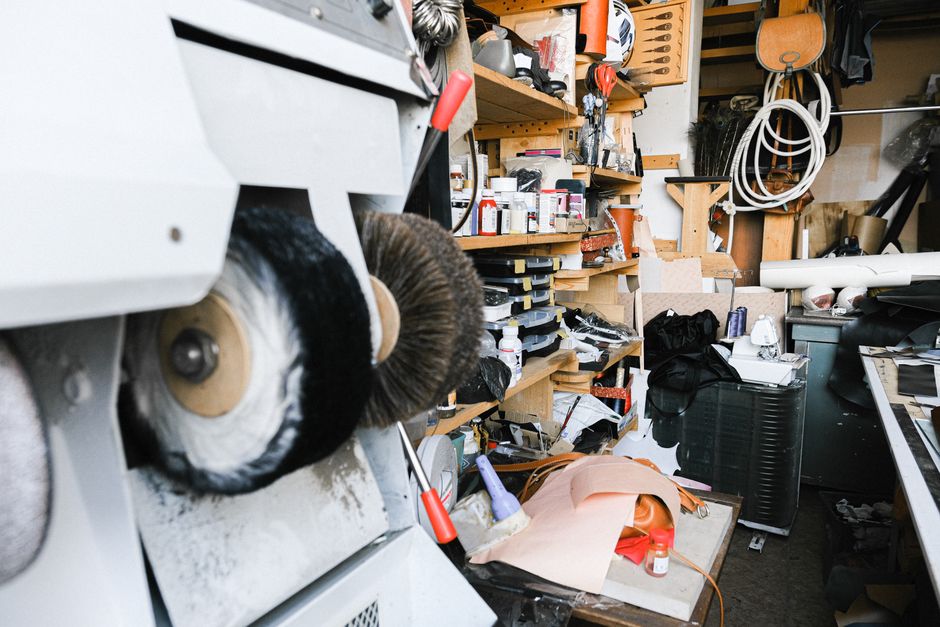
Introduction to Industrial Brush Machines
In the world of industrial manufacturing, brush machines play a crucial role in finishing, cleaning, deburring, and surface preparation. Whether you're producing automotive parts, electronics, or metal components, selecting the right brush machine can significantly impact productivity and product quality. This article compares the top brush machines available in the B2B market, focusing on key features such as automation level, brush types, power, and durability. Our goal is to help you make an informed purchase decision.
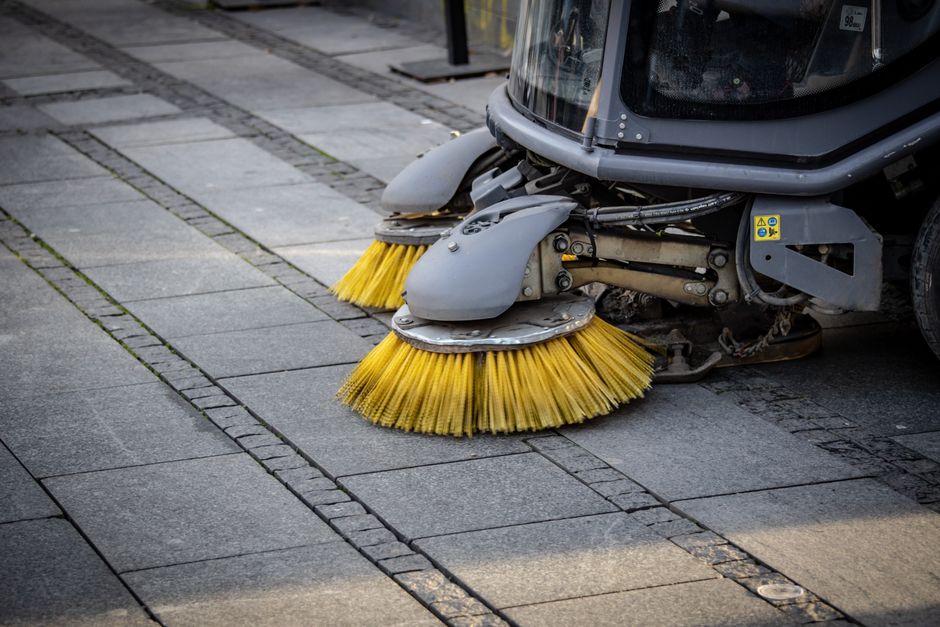
Key Features to Compare in Brush Machines
Automation and Control Systems
Modern brush machines range from manual to fully automated CNC systems. Automated machines offer higher throughput and consistency. Look for programmable logic controllers (PLC) with touchscreen interfaces for easy setup and monitoring.
Brush Types and Materials
Different applications require different brush materials: steel wire for heavy deburring, nylon for fine finishing, or abrasive bristles for surface conditioning. The ability to quickly change brush heads is a major plus.
Power and Speed
Motor power (measured in kW) and variable speed control determine the machine's ability to handle various materials. Higher torque is needed for tough jobs, while speed control ensures precision.
Durability and Build Quality
Industrial machines must withstand continuous use. Look for heavy-duty steel frames, sealed bearings, and easy maintenance access.
Top Brush Machine Models Compared
| Model | Automation | Brush Type | Power (kW) | Speed Range (RPM) | Key Feature |
|---|---|---|---|---|---|
| ProBrusher 3000 | Full CNC | Interchangeable | 5.5 | 500-3000 | Touchscreen PLC |
| EcoBrush 200 | Semi-auto | Steel/Nylon | 3.0 | 1000-2500 | Energy efficient |
| HeavyDuty 500 | Manual | Steel wire | 7.5 | 800-1800 | High torque |
| FlexiFinish X1 | Full CNC | Abrasive belts | 4.0 | 200-2000 | Multi-axis |
ProBrusher 3000 – Best for High-Volume Production
This fully automated machine features a 5.5 kW motor and brush interchangeability. Its PLC with touchscreen allows storing up to 50 programs. Ideal for automotive parts finishing.
EcoBrush 200 – Best for Energy Savings
Semi-automatic with a 3.0 kW motor, it uses 30% less energy than competitors. Suitable for light deburring on aluminum and plastics.
HeavyDuty 500 – Best for Tough Materials
Manual operation but with a powerful 7.5 kW motor and steel wire brushes. Perfect for heavy weld removal and scaling.
FlexiFinish X1 – Best for Complex Geometries
Full CNC with multi-axis capability allows brushing complex parts. Uses abrasive belts and brushes for consistent surface finish.
Comparison Table: Additional Features
| Model | Brush Change Time | Weight (kg) | Warranty | Price Range |
|---|---|---|---|---|
| ProBrusher 3000 | 2 min | 450 | 2 years | $$$$ |
| EcoBrush 200 | 5 min | 280 | 1 year | $$ |
| HeavyDuty 500 | 10 min | 600 | 3 years | $$$ |
| FlexiFinish X1 | 3 min | 350 | 2 years | $$$$$ |
Our Recommendation
For most industrial applications, the ProBrusher 3000 offers the best balance of automation, versatility, and cost. If you have heavy-duty needs, the HeavyDuty 500 is unmatched. For energy-conscious operations, choose EcoBrush 200. Contact us for a customized quote based on your specific requirements.
Conclusion
Selecting the right brush machine requires careful evaluation of your production needs. We hope this comparison helps you narrow down the options. Our factory offers OEM services and free samples for testing. Reach out to our team today!