
Introduction
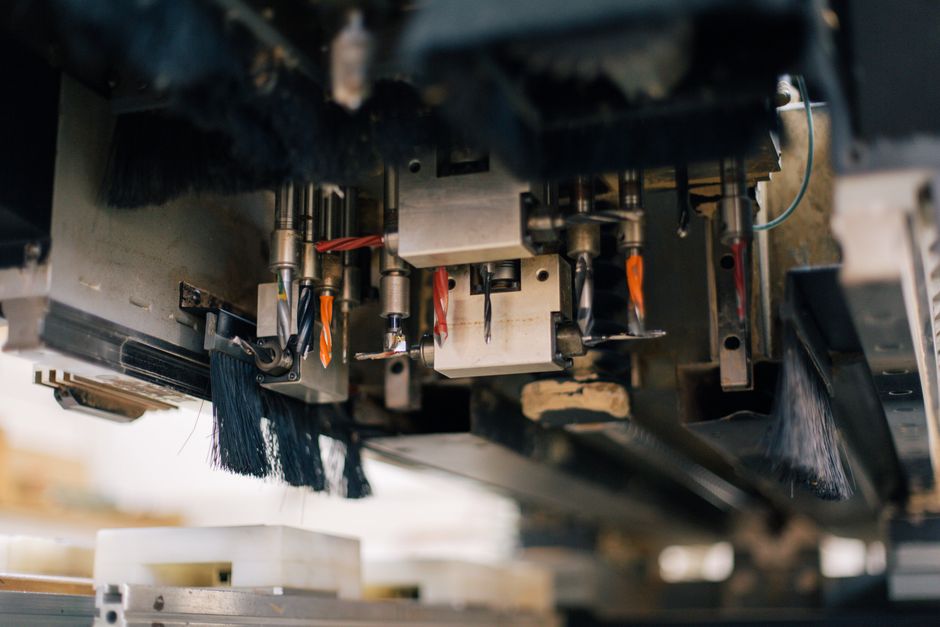
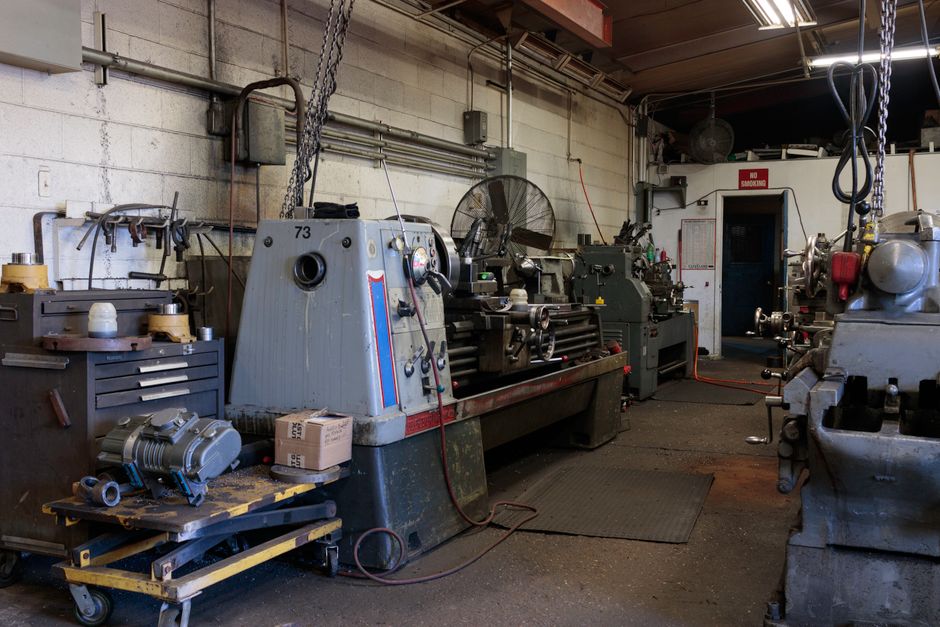
Brush making machines are critical assets in manufacturing. When they malfunction, production halts. This guide covers common issues and practical solutions to keep your line running.
1. Machine Won't Start
Power Supply Problems
Check the main disconnect and fuses. Use a multimeter to verify voltage at the machine terminals.
Emergency Stop Engaged
Ensure all E‑stop buttons are released. Some machines have multiple stops; inspect each.
Door Interlock Switches
Many brush machines have safety interlocks. Verify doors are closed and switches are making contact.
2. Irregular Bristle Trimming
Dull or Damaged Cutting Blades
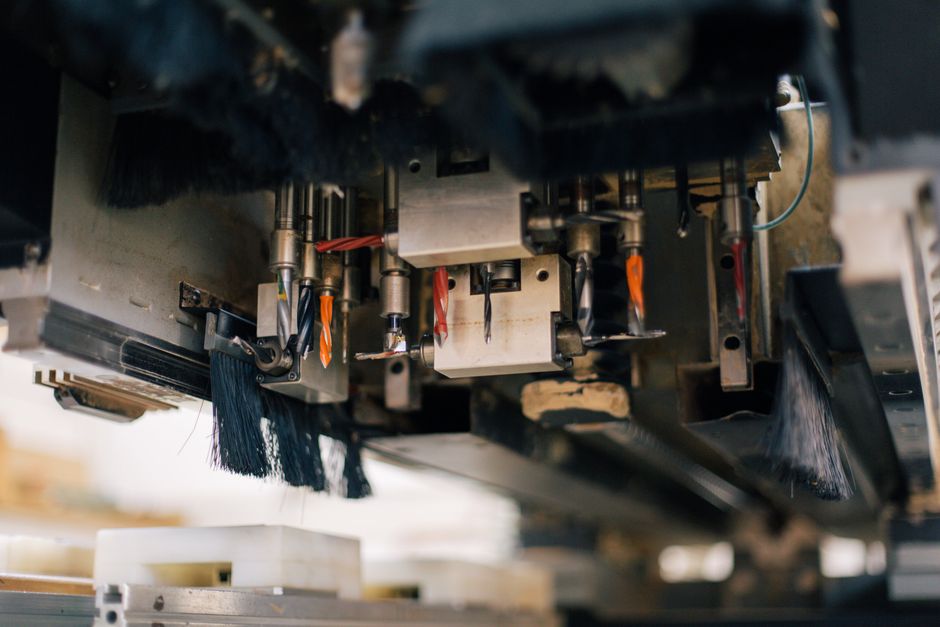
Inspect blades for nicks or wear. Replace if necessary. Sharpen regularly.
Incorrect Blade Gap
Adjust blade gap according to manufacturer specifications. Use feeler gauges for precision.
Feed Speed Variations
Check feed roller wear and tension. Ensure material is not slipping.
3. Excessive Vibration or Noise
Unbalanced Rotating Parts
Clean and balance brush holders and spindles. Use vibration analysis tools.
Worn Bearings
Listen for grinding sounds. Replace bearings at first sign of wear.
Loose Mounting Bolts
Torque all bolts to spec. Use thread locker on high‑vibration areas.
4. Bristle Feed Jams
Moisture or Static Cling
Control humidity. Use anti‑static bars or ionizers.
Incorrect Bristle Length or Diameter
Verify material matches machine specifications. Adjust feed guides.
Feed Wheel Wear
Check feed wheel knurling. Replace if smooth.
5. Inconsistent Brush Density
Uneven Bristle Distribution
Check hopper agitation. Ensure bristles flow freely.
Clogged Nozzles
Clean nozzle openings with compressed air or solvents.
Worn Stuffer Mechanisms
Inspect stuffer fingers for wear. Replace if bent or broken.
6. Electrical Control Failures
PLC Faults
Check for error codes. Cycle power. Update firmware if needed.
Sensor Malfunctions
Clean optical sensors. Test proximity switches with a metal target.
Wiring Issues
Look for loose connections or damaged cables. Use a cable tester.
Preventive Maintenance Tips
- Daily: Clean bristle dust, check lubrication levels.
- Weekly: Inspect blades, belts, and sensors.
- Monthly: Tighten all fasteners, calibrate sensors.
- Quarterly: Replace worn parts, deep clean electrical cabinets.
Conclusion
Regular maintenance and prompt troubleshooting keep brush machines efficient. Use this guide to diagnose common issues and reduce downtime. For persistent problems, consult your machine manual or manufacturer.