
Introduction to Quality Certifications in Brush Machine Manufacturing
In the competitive landscape of B2B brush machine manufacturing, quality certifications serve as a critical differentiator. They not only validate the reliability and safety of your equipment but also build trust with international buyers. This guide explores essential certifications that every brush machine manufacturer should consider, from ISO standards to industry-specific marks, and provides practical tips for achieving and leveraging them.
Why Certifications Matter for Brush Machine Exporters
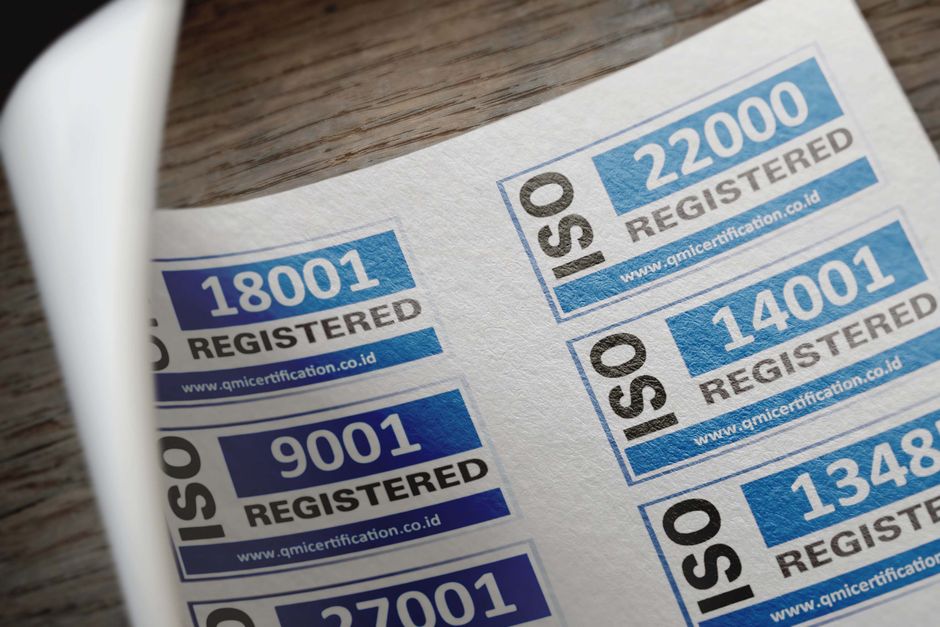
Certifications are more than badges—they are passports to global markets. Without them, you may face barriers such as customs delays, buyer skepticism, or even legal penalties. Key benefits include:
- Market Access: Many regions (e.g., EU, USA) require CE, UL, or other marks.
- Risk Mitigation: Certifications prove your machines meet safety and environmental standards.
- Competitive Advantage: Displaying certifications on your website and marketing materials enhances credibility.
ISO 9001:2015 – The Foundation of Quality Management
ISO 9001 is the most widely recognized quality management system (QMS) standard. For brush machine manufacturers, it demonstrates a commitment to consistent quality, continuous improvement, and customer satisfaction. Implementation involves:
- Documenting processes from design to after-sales service.
- Conducting internal audits and management reviews.
- Setting measurable quality objectives.
Tip: Use ISO 9001 as a framework to streamline production and reduce defects, which directly impacts your bottom line.
CE Marking – Essential for the European Market
CE marking indicates conformity with EU health, safety, and environmental requirements. For brush machines, the applicable directives often include the Machinery Directive (2006/42/EC) and Low Voltage Directive (2014/35/EU). The process involves:
- Risk assessment and technical file compilation.
- Declaration of Conformity.
- Affixing the CE mark to the machine.
Tip: Work with a notified body for complex machinery to ensure compliance and avoid costly recalls.
UL Certification – Trust in North America
UL (Underwriters Laboratories) certification is a de facto requirement for brush machines sold in the United States and Canada. UL evaluates electrical safety, fire hazards, and mechanical risks. Key steps:
- Submit product samples for testing at UL labs.
- Address any non-conformities identified in the test report.
- Undergo periodic factory inspections to maintain certification.
Tip: Incorporate UL requirements early in the design phase to avoid redesign costs.
ISO 14001 – Environmental Management for Sustainable Manufacturing
ISO 14001 helps manufacturers minimize environmental impact. For brush machine makers, this includes waste management, energy efficiency, and pollution prevention. Benefits:
- Compliance with environmental regulations.
- Improved brand image among eco-conscious buyers.
- Potential cost savings through resource optimization.
Tip: Combine ISO 14001 with ISO 9001 for an integrated management system (IMS).
OHSAS 18001 / ISO 45001 – Worker Safety First
Occupational health and safety certifications (OHSAS 18001, now ISO 45001) are crucial for protecting your workforce and reducing accidents. Implementation includes:
- Hazard identification and risk assessment.
- Safety training and emergency preparedness.
- Incident investigation and corrective actions.
Tip: A strong safety record can be a selling point when dealing with buyers who audit suppliers.
Industry-Specific Certifications: ATEX and IECEx
If your brush machines operate in explosive atmospheres (e.g., grain dust, chemical fumes), ATEX (EU) and IECEx (international) certifications are mandatory. They cover equipment design, marking, and documentation. Steps:
- Classify the hazardous area (Zone 0, 1, 2 or 20, 21, 22).
- Select appropriate protection concepts (e.g., explosion-proof enclosures).
- Obtain certification from an accredited body.
Tip: Partner with a certification body early to avoid delays in product launch.
How to Get Certified – A Step-by-Step Guide
- Gap Analysis: Compare your current practices with certification requirements.
- Documentation: Develop manuals, procedures, and records.
- Training: Educate employees on new processes.
- Internal Audit: Verify compliance before the external audit.
- Certification Audit: Engage a certified body to assess your system.
- Continuous Improvement: Address non-conformities and maintain the system.
Common Pitfalls to Avoid
- Overlooking local regulations: Some countries have additional requirements (e.g., CCC in China).
- Choosing cheap certification bodies: They may lack recognition in target markets.
- Neglecting post-certification maintenance: Certifications require periodic surveillance audits.
Conclusion – Turning Certifications into Sales
Certifications are powerful marketing tools. Highlight them on your website, in brochures, and during trade shows. Provide certificates upon request and consider adding a dedicated “Quality” page. By investing in certifications, you not only ensure compliance but also demonstrate a commitment to excellence that resonates with B2B buyers worldwide.