

1. What Is the Standard Warranty Period for Brush Production Machines?
Most reputable manufacturers offer a standard warranty period of 12 to 24 months from the date of delivery or installation. For brush production machines, which are precision equipment, the typical baseline is 12 months. However, premium brands may extend this to 24 months, especially for core components like the motor, PLC controller, or pneumatic systems.
It's important to read the fine print: some warranties start from the date of shipment, not installation. This can reduce the effective coverage period if the machine sits in transit or at your facility. Always confirm the warranty start date and whether it covers parts, labor, or both.
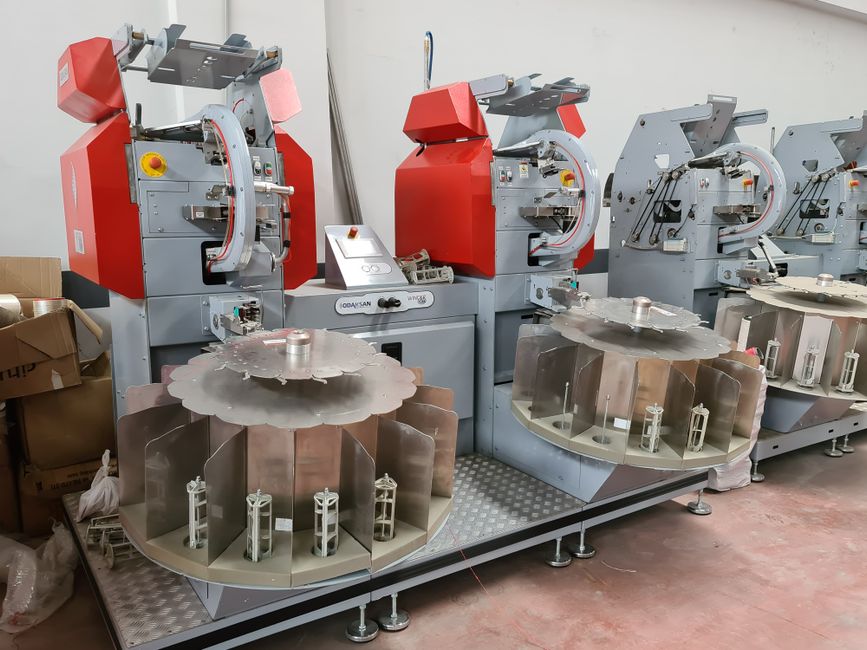
2. Does the Warranty Cover All Machine Components?
No, warranties often exclude consumable parts and wear items. For brush machines, common exclusions include brushes, cutting blades, belts, filters, and lubricants. These parts have a limited lifespan and are expected to be replaced during normal operation.
Structural components like the frame, drive system, and electrical panels are typically covered. However, damage caused by improper use, lack of maintenance, or unauthorized modifications voids the warranty. Always check the list of covered and excluded parts in your contract.
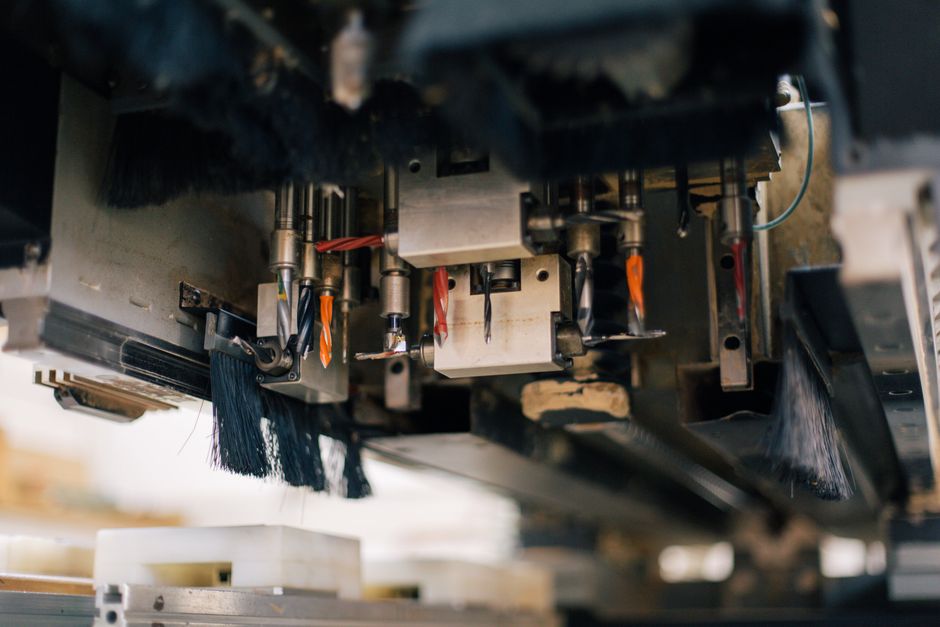
3. What Is Covered Under Parts and Labor?
A comprehensive warranty includes both replacement parts and the labor cost for repairs. For brush production machines, this means if a motor fails due to a manufacturing defect, the manufacturer will provide a new motor and cover the technician's time to install it.
Some warranties only cover parts, leaving you to pay for labor and travel expenses. This can be costly, especially if the machine is located abroad. Always request a warranty that includes labor and, if possible, travel costs for on-site service.
4. Are There Any Exclusions or Limitations?
Yes, common exclusions include damage from misuse, accidents, natural disasters, power surges, or unauthorized repairs. Additionally, if you fail to perform routine maintenance as specified in the manual, the warranty may be voided.
Many manufacturers also limit liability to the repair or replacement of the defective part, excluding any consequential damages like lost production or profit. Some warranties require that you use only OEM parts and approved lubricants. Understanding these limitations helps you avoid unexpected costs.
5. How Does the Warranty Handle International Shipments?
For B2B buyers importing brush machines, warranty terms often differ. International warranties may be shorter or require you to ship the defective part back to the manufacturer at your expense. Some manufacturers have local service partners in your region to handle repairs.
Always ask if the warranty is valid in your country and whether on-site service is available. If not, consider purchasing an extended service contract or a spare parts kit to minimize downtime. A good manufacturer will provide clear instructions for international warranty claims.
6. Can I Extend the Warranty Beyond the Standard Period?
Yes, many manufacturers offer extended warranty plans for an additional cost. These plans can cover 2 to 5 years and often include preventive maintenance visits. For brush production machines, a 3-year extended warranty is common and can save you money on major repairs.
When considering an extension, evaluate the cost against the machine's expected lifespan and your usage intensity. If you run the machine 24/7, extended coverage may be worth it. Always get the terms in writing and understand what is covered during the extension.
7. What Should I Do If a Problem Occurs During the Warranty Period?
First, document the issue with photos or videos and note any error codes. Then contact the manufacturer's support team as specified in the warranty manual. Most have a dedicated email or hotline for warranty claims.
Keep records of all communications, including dates and names of representatives. Follow their instructions for troubleshooting or returning parts. Do not attempt repairs yourself unless authorized, as this could void the warranty. A responsive manufacturer will acknowledge your claim within 24–48 hours.
8. How Do I Verify a Manufacturer's Warranty Reliability?
Research the manufacturer's reputation by reading customer reviews, asking for references, and checking how long they have been in business. A company with a long track record is more likely to honor warranties.
Request a sample warranty document before purchase and have it reviewed by a legal expert if possible. Also, ask about their spare parts availability and average response time for service calls. Reliable manufacturers stock parts for at least 10 years and offer remote troubleshooting.
9. What Is the Difference Between Warranty and Guarantee?
A warranty is a written promise to repair or replace a defective product within a specified period, subject to terms. A guarantee is often a broader assurance of quality or satisfaction, sometimes with a money-back option.
In brush machine manufacturing, warranties are standard, while guarantees are less common. Some manufacturers offer a performance guarantee, promising that the machine will meet certain output specifications. Always clarify which applies and get it in writing.
10. Can I Negotiate Better Warranty Terms?
Yes, especially for large orders or long-term partnerships. You can request a longer warranty period, inclusion of labor and travel costs, or coverage for critical components that are often excluded. Some manufacturers will agree to a 24-month warranty if you purchase a spare parts kit.
Negotiation is easier if you are buying multiple machines or have a history with the supplier. Be prepared to pay a small premium for enhanced coverage. Always get the negotiated terms documented in the sales contract.