
 English
 简体中文
简体中文 Русский
 Español
 Deutsch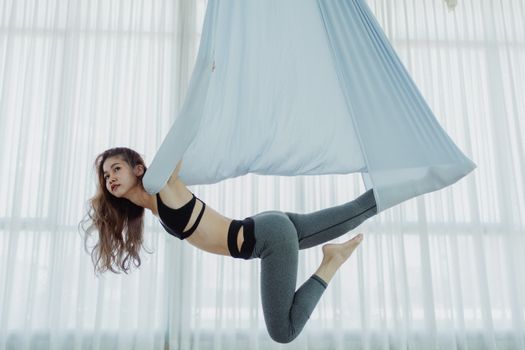
10 Beginner Aerial Yoga Hammock Poses to Try
Discover 10 beginner aerial yoga hammock poses to try. Step-by-step guide with tips for safe practice. Start your aerial yoga journey today!
1. Introduction to Aerial Yoga Hammock Poses for Beginners
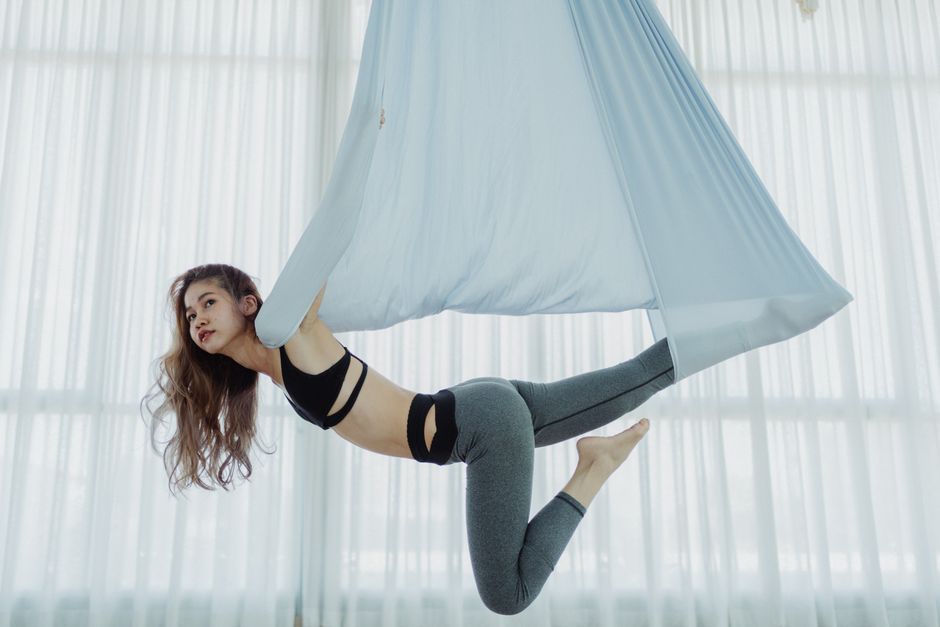
Aerial yoga hammock poses offer a unique blend of traditional yoga, acrobatics, and aerial arts. For beginners, the hammock provides support that makes many poses more accessible and less intimidating. Unlike mat-based yoga, the hammock allows you to explore inversions and stretches with reduced pressure on your joints and spine. Starting with beginner-friendly poses helps build confidence, strength, and flexibility before moving on to more advanced sequences.
Before attempting any poses, ensure your hammock is properly rigged and your instructor is present. Always warm up with gentle stretches and listen to your body. The following ten poses are ideal for those new to aerial yoga. They focus on foundational skills such as grip, balance, and body awareness. Practice each pose slowly and mindfully, and never push beyond your comfort zone.
2. Pose 1: Hammock Supported Child's Pose
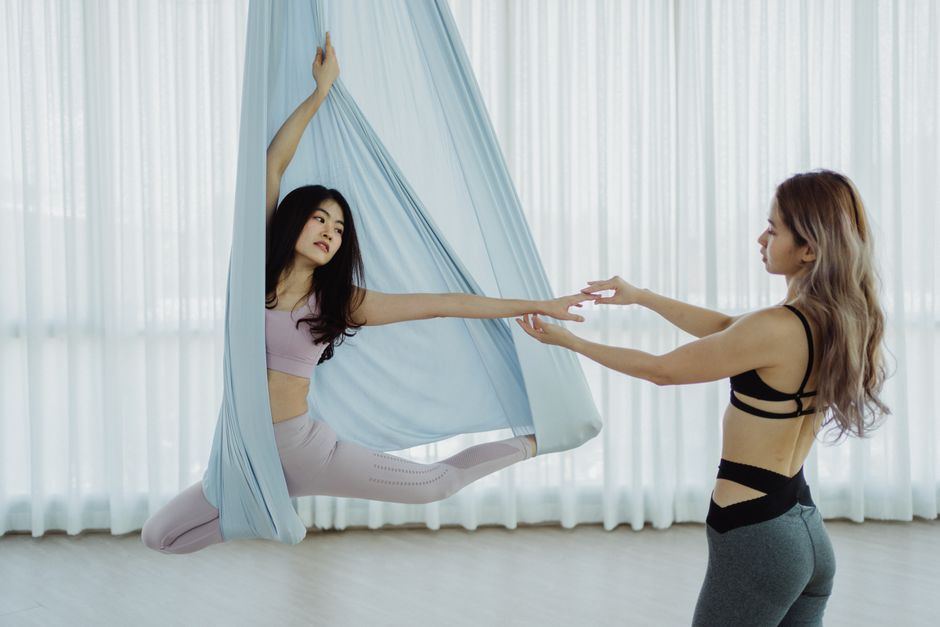
This restorative pose is perfect for beginners to get accustomed to the hammock's feel. Sit on the floor facing the hammock, then lean forward and place your torso onto the fabric. Let the hammock support your upper body as you extend your arms forward or rest them alongside your body. Your knees can be on the floor or slightly lifted, depending on your flexibility.
The hammock cradles your chest and belly, allowing your spine to decompress. Breathe deeply and hold for 1-2 minutes. This pose gently stretches the lower back and shoulders while calming the mind. It's an excellent way to start any aerial yoga session.
3. Pose 2: Seated Forward Fold in Hammock
Sit in the hammock with your legs extended forward, feet flexed. Hold the edges of the hammock for stability. Inhale to lengthen your spine, then exhale as you fold forward over your legs. The hammock supports your hips, allowing a deeper stretch than a traditional seated forward fold.
Keep your back straight and avoid rounding your spine too much. Hold for 5-10 breaths. This pose stretches the hamstrings, calves, and lower back. It also helps improve digestion and relieves stress. Beginners can bend their knees slightly to modify.
4. Pose 3: Hammock Assisted Tree Pose
Stand beside the hammock and place one hand on it for balance. Shift your weight onto one foot, then bend the other knee and place the sole of your foot on your inner calf or thigh (avoid the knee). Raise your other arm overhead or keep it at your heart. The hammock provides stability, making it easier to focus on alignment.
Hold for 30 seconds to 1 minute, then switch sides. This pose improves balance, concentration, and leg strength. It also opens the hips. The hammock's gentle sway challenges your stabilizer muscles without the risk of falling.
5. Pose 4: Hammock Supported Bridge Pose
Lie on your back with your knees bent and feet on the floor. Place the hammock under your sacrum (lower back) and hold the edges. Press into your feet and lift your hips, letting the hammock support your lower back. Keep your shoulders and head on the floor.
This pose gently stretches the chest, neck, and spine while strengthening the glutes and hamstrings. It's a great alternative to a traditional bridge for those with lower back sensitivity. Hold for 5-8 breaths, then lower down slowly.
6. Pose 5: Hammock Supported Pigeon Pose
Place the hammock under your hips and come into a kneeling position. Slide one knee forward and place the shin across the hammock, with the other leg extended back. Adjust the hammock to support your weight. You can stay upright or fold forward over the front leg.
This pose deeply stretches the hip flexors and glutes. The hammock reduces pressure on the knees, making it ideal for beginners with tight hips. Hold for 1-2 minutes per side, breathing into the stretch.
7. Pose 6: Hammock Assisted Warrior II
Stand facing the side of the hammock. Step your feet wide apart, turn one foot out, and bend that knee. Place your front hand on the hammock for support and extend your back arm behind you. Gaze over your front hand.
The hammock helps you maintain proper alignment and balance, allowing you to focus on opening your hips and strengthening your legs. Hold for 5 breaths, then switch sides. This pose builds stamina and confidence.
8. Pose 7: Hammock Supported Downward Dog
Place the hammock under your hips and come onto your hands and knees. Lift your hips up and back, pressing your thighs into the hammock for support. Your body forms an inverted V shape. Keep your spine long and your heels reaching toward the floor.
The hammock takes some weight off your wrists and shoulders, making this pose more accessible. It stretches the hamstrings, calves, and shoulders while energizing the body. Hold for 5-10 breaths.
9. Pose 8: Hammock Assisted Cobra Pose
Lie face down with the hammock under your pelvis. Place your hands under your shoulders and gently press up, lifting your chest. The hammock supports your lower body, allowing you to focus on opening the chest and strengthening the back.
Keep your elbows slightly bent and shoulders away from your ears. Hold for 3-5 breaths. This pose counteracts slouching and improves spinal flexibility.
10. Pose 9: Hammock Supported Butterfly Pose
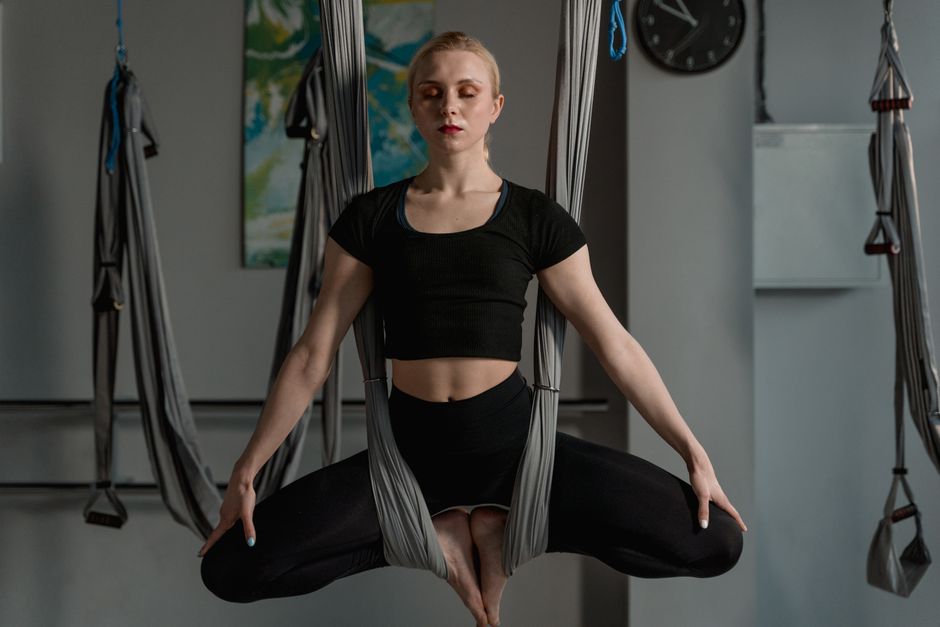
Sit in the hammock with the soles of your feet together and knees out to the sides. Hold the hammock edges for balance. Let the hammock support your weight as you gently fold forward.
This pose opens the hips and stretches the inner thighs. The hammock's support allows you to relax deeper into the stretch. Hold for 1-2 minutes, breathing slowly.
11. Pose 10: Hammock Supported Savasana
Lie back in the hammock with your body fully supported. Let your arms rest by your sides and close your eyes. Allow the hammock to gently sway as you relax completely.
This final pose integrates the benefits of your practice and calms the nervous system. Stay for 5-10 minutes. It's the perfect way to end your beginner aerial yoga session.
12. Tips for Beginners
- Always practice under the guidance of a certified instructor.
- Wear comfortable, fitted clothing that won't get caught in the hammock.
- Start with short sessions and gradually increase duration.
- Listen to your body and never force a pose.
- Keep the hammock clean and inspect it regularly for wear.
With consistent practice, these beginner poses will build a solid foundation for more advanced aerial yoga sequences. Enjoy the journey!
Share your market, quantities and rigging situation — we reply with a sample plan and timeline.