
 English
 简体中文
简体中文 Русский
 Español
 Deutsch
Yoga Hammock Weight Limit & Ceiling Height Guide
Learn yoga hammock weight limits, ceiling height requirements, and safe installation tips. Find the right aerial yoga setup for your space today.
What Is a Yoga Hammock and How Does It Differ From an Aerial Silk?
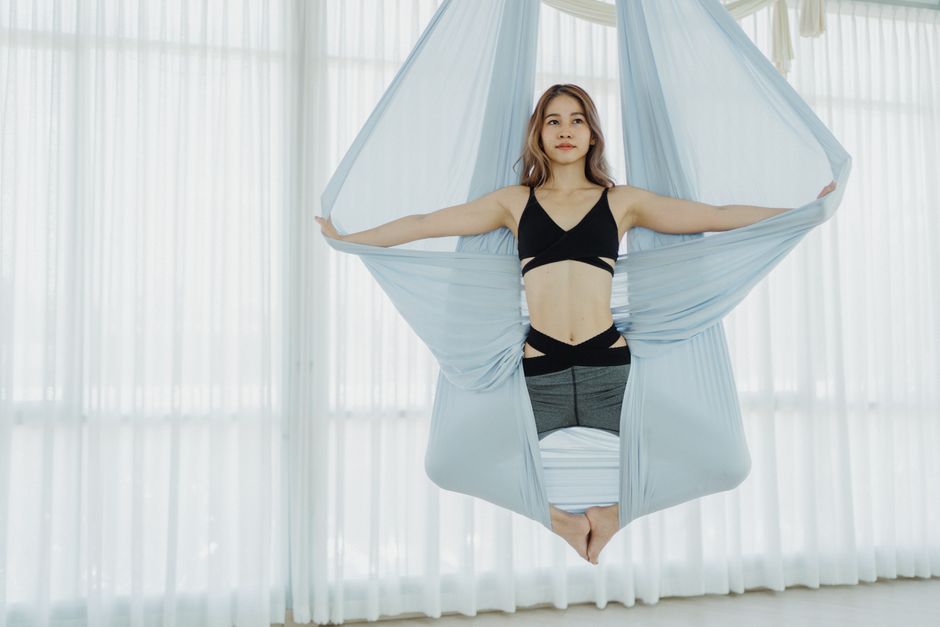
A yoga hammock, often called an aerial yoga hammock or aerial swing, is a soft fabric loop suspended from the ceiling and used for supported, low-flying yoga poses. Unlike aerial silks, which are two separate lengths of fabric used for dynamic acrobatics, a yoga hammock is typically a single continuous loop with a cushioned base. This design makes it far more accessible for beginners, restorative stretching, and inversions that decompress the spine.
Because the hammock supports part or all of your body weight, two specifications matter more than any other: the weight limit of the fabric and hardware, and the ceiling height available in your space. Getting these two numbers right keeps you safe and ensures you can actually perform the poses you want.
What Is the Typical Weight Limit of a Yoga Hammock?
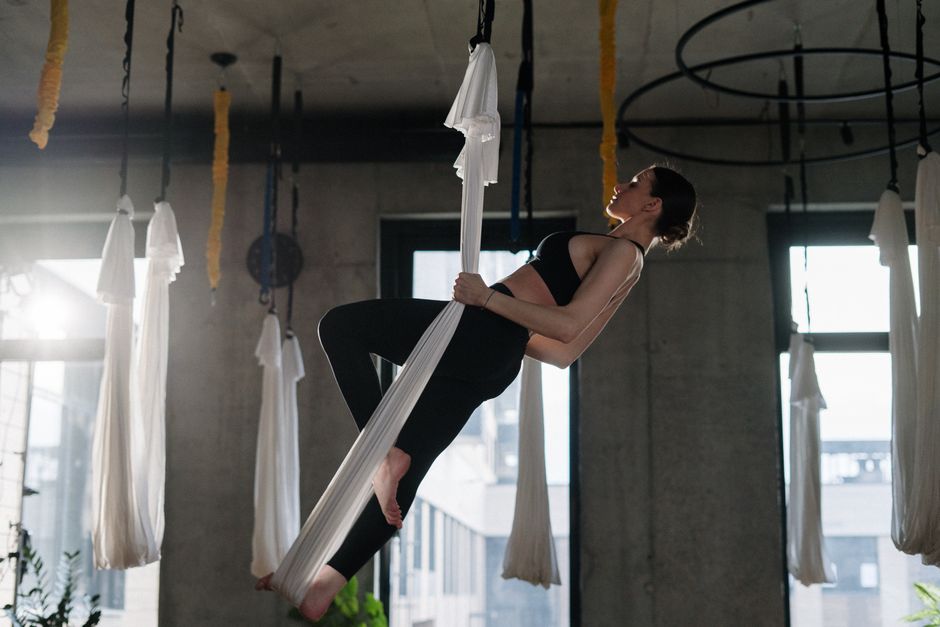
Most consumer yoga hammocks are rated between 250 and 400 pounds (113–181 kg) when installed with the manufacturer's recommended hardware. Professional or studio-grade setups can reach 500 pounds or more. The rating usually refers to the complete system — fabric, straps, carabiners, and ceiling mounts — not just the cloth.
It is important to understand that the weight limit is a maximum working load, not a target. A hammock rated at 300 pounds is designed to hold a 300-pound person safely under normal, gentle use. Dynamic swinging, jumping, or sudden drops create additional force that can exceed the static rating, so always leave a safety margin.
How Do I Calculate the Right Weight Limit for My Body Weight?
A common rule of thumb is to choose a hammock rated at least 1.5 to 2 times your body weight. If you weigh 150 pounds, look for a system rated for 300 pounds or more. This margin accounts for the extra load created by movement, momentum, and the fact that hammock hardware ages over time.
You should also consider who else will use the hammock. If family members or students of different sizes will share it, base your purchase on the heaviest expected user and add a buffer. When in doubt, buy the higher-rated option — the cost difference is usually small compared with the safety benefit.
Does the Ceiling Mount Affect the Weight Limit?
Yes, significantly. The strongest hammock fabric is only as safe as the point it hangs from. A mount installed into a solid wooden joist or a reinforced concrete ceiling can typically handle the full rated load. A mount fixed only into drywall, plaster, or a thin metal stud will fail long before the hammock does.
For most homes, the safest approach is to install a dedicated aerial yoga rig or a steel beam that spans at least two ceiling joists. If you are unsure about your ceiling structure, hire a qualified contractor or structural engineer. Never assume a standard hook from a hardware store is sufficient.
What Ceiling Height Do I Need for a Yoga Hammock?
The general recommendation is a minimum ceiling height of 8.5 to 9 feet (2.6–2.7 meters) for basic aerial yoga. This allows the hammock to hang with enough clearance for seated, standing, and gentle inverted poses without your head or feet touching the floor. For full inversions and more advanced flows, 10 to 11 feet (3–3.4 meters) is ideal.
Ceiling height also determines how much fabric hangs below the mount. A longer drop gives you more room to move but can make it harder to get into the hammock. Measure from floor to ceiling, then subtract the length of your mounting hardware and straps to find your usable hanging height.
How Much Space Do I Need Around the Hammock?
Beyond ceiling height, you need clear space in all directions. A good guideline is at least 3 feet (about 1 meter) of clearance on every side, plus extra room in front and behind for swinging. Avoid placing the hammock near ceiling fans, light fixtures, sharp corners, or furniture.
For a dedicated home studio, a room measuring roughly 8 x 8 feet (2.4 x 2.4 meters) with a 9-foot ceiling is a comfortable minimum for one person. If you plan to teach or practice with a partner, allow more space and consider a professional rigging frame instead of ceiling mounts.
Can I Install a Yoga Hammock in a Low-Ceiling Room?
Yes, but your pose options will be limited. In rooms with ceilings under 8 feet, you can usually still do seated stretches, gentle backbends, and supported forward folds. Full inversions and long hangs may not be possible because there is not enough drop for your body to extend safely.
One solution is a freestanding aerial yoga frame, which does not depend on ceiling height at all. Another is to use a shorter hammock and adjust the straps so the fabric sits higher. Always test new setups close to the floor with a mat underneath before attempting any inverted pose.
What Hardware and Anchors Are Safest for a Yoga Hammock?
Look for hardware rated for overhead lifting, such as forged steel carabiners, heavy-duty daisy chains or straps, and mounts specifically designed for aerial yoga. Avoid decorative hooks, swivel snaps meant for plants, and any component without a stated load rating. Stainless steel or powder-coated steel resists rust and lasts longer.
Installation matters as much as the parts. Use lag bolts long enough to pass through drywall and deep into a structural joist, or use a engineered beam that distributes the load across multiple joists. Check all connections monthly and replace any worn straps or frayed fabric immediately.
How Do I Maintain and Inspect My Yoga Hammock?
Inspect your hammock before every session. Look for frayed edges, thinning fabric, stretched stitching, and rust or cracks in the hardware. Run your hand along the fabric to feel for weak spots. If anything looks questionable, stop using it until it is repaired or replaced.
Wash fabric hammocks according to the manufacturer's instructions, usually a gentle cycle with mild detergent and air drying. Store the hammock out of direct sunlight when not in use, since UV exposure weakens synthetic fabrics over time. With proper care, a quality hammock can last several years of regular practice.
Quick Reference: Weight and Height Guidelines
| Factor | Minimum | Recommended |
|---|---|---|
| Ceiling height | 8.5 ft (2.6 m) | 9–11 ft (2.7–3.4 m) |
| Weight rating | 250 lb (113 kg) | 300–500 lb (136–227 kg) |
| Side clearance | 3 ft (1 m) | 4 ft+ (1.2 m+) |
| Safety margin | 1.5x body weight | 2x body weight |
Use this table as a starting point, then confirm every number against your specific hammock's manual and a qualified installer. Safety always comes first, and a properly sized setup will let you enjoy aerial yoga for years to come.
Share your market, quantities and rigging situation — we reply with a sample plan and timeline.