
 English
 简体中文
简体中文 Русский
 Español
 Deutsch
Yoga Hammock for Kids: Safety Tips & Best Picks
Discover the best yoga hammock for kids plus essential safety tips, setup steps, and top picks. Keep your child safe while they play and grow.
Why Yoga Hammocks Are a Hit with Kids
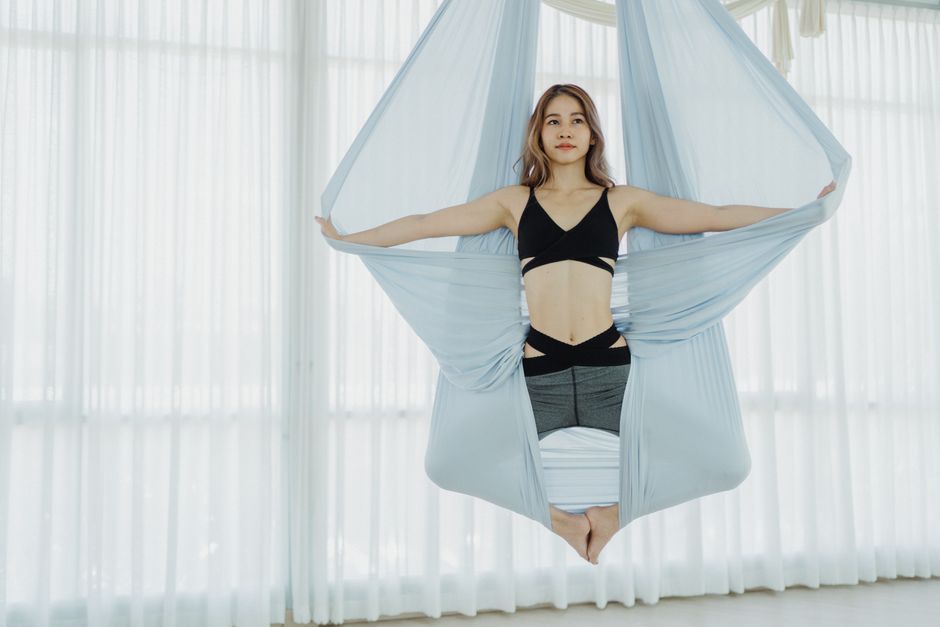
Yoga hammocks, also called aerial yoga swings or sensory swings, have become a favorite tool for parents, teachers, and pediatric therapists. Unlike a traditional swing, a yoga hammock cradles the body and allows gentle rocking, stretching, and supported inversions. For children, this combination delivers far more than fun. It supports sensory integration, builds core strength, improves balance, and gives kids a calming space to regulate their emotions.
But before you hang one in your living room or backyard, safety must come first. This guide walks you through the benefits, the risks, the setup rules, and the best yoga hammocks for kids so you can choose confidently.
What Is a Yoga Hammock for Kids?
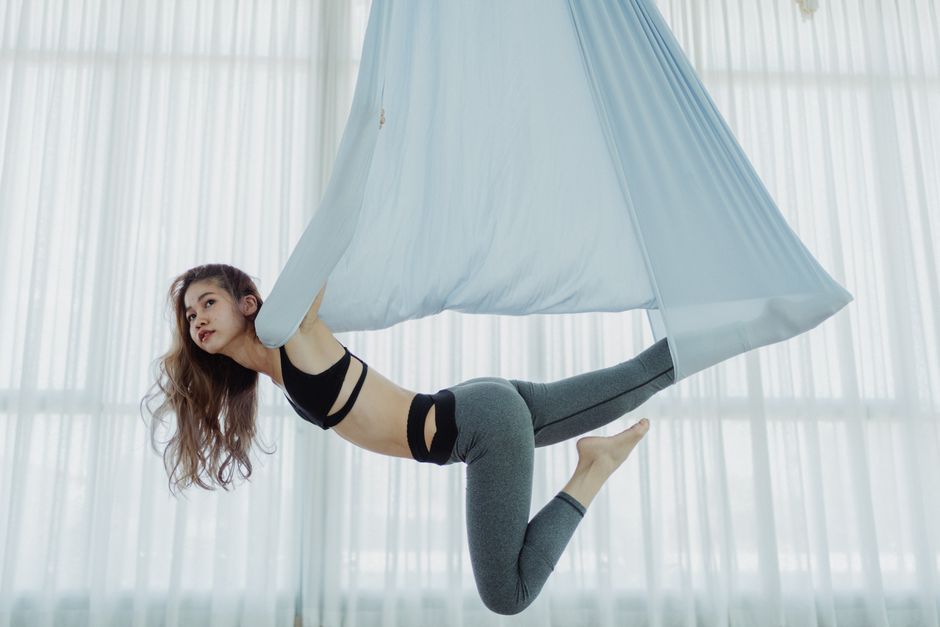
A kids' yoga hammock is a soft, fabric sling suspended from a ceiling, beam, or stand. It is typically made from nylon, parachute fabric, or cotton blend and rated for a specific weight limit. Many models are designed for children aged 3 to 12 and come in smaller sizes than adult aerial yoga hammocks.
Key features to look for include:
- Weight capacity: Usually 100–300 lbs, but check the child-specific rating.
- Fabric: Breathable, low-stretch nylon or soft cotton blends.
- Hardware: Daisy chains, carabiners, and swivels rated for climbing or aerial use.
- Mounting: Ceiling kit, beam straps, or a freestanding frame.
- Adjustability: Multiple height settings so the hammock grows with your child.
The Benefits of Yoga Hammocks for Children
1. Sensory Integration and Calming
The gentle back-and-forth motion stimulates the vestibular system, which controls balance and spatial awareness. For children with autism, ADHD, or sensory processing differences, this input can be deeply organizing and soothing.
2. Core Strength and Flexibility
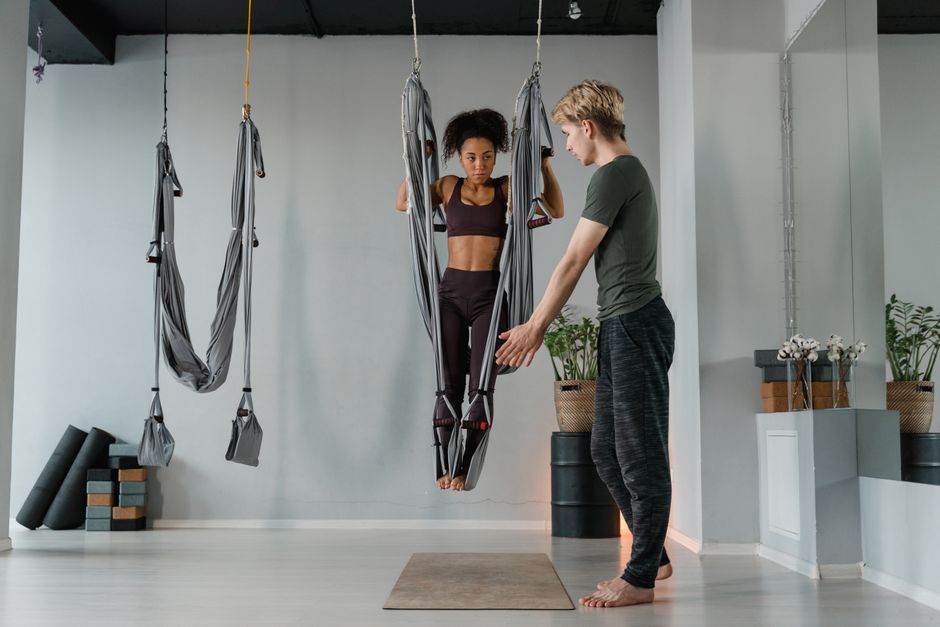
Holding a pose in a hammock requires constant micro-adjustments. This engages the abdominals, back, and hips without the pressure of hard floor poses. Kids build strength while feeling supported.
3. Confidence and Body Awareness
Supported inversions and balancing poses help children explore movement safely. Mastering a new pose in the hammock gives a real confidence boost.
4. Screen-Free Fun and Bonding
A hammock invites play, storytelling, and partner poses. It is an easy way to pull kids away from screens and into movement.
Safety Tips Every Parent Must Know
Safety is not optional with aerial equipment. Follow these rules before your child's first swing.
Check the Weight and Age Rating
Never exceed the manufacturer's weight limit. Most kids' hammocks are rated for 100–200 lbs, but the safe working load should be at least five times the child's weight when you account for dynamic movement.
Inspect the Mounting Point
- Anchor only into a structural beam, joist, or rated ceiling mount.
- Never hang from drywall, plaster, or a drop ceiling.
- Use a professional installer if you are unsure about your ceiling structure.
- For rentals or apartments, choose a freestanding stand instead.
Use Proper Hardware
Replace any worn carabiners, frayed straps, or stretched daisy chains immediately. Climbing-grade or aerial-grade hardware is the standard. Avoid hardware sold for general home use.
Set the Right Height
The hammock should hang low enough that a child can sit and stand safely. A good rule: the bottom of the fabric should be about 10–15 inches off the floor for seated play, and higher only for supervised standing poses.
Always Supervise
Children under 6 should never use a yoga hammock alone. Even older kids need an adult nearby. Never allow rough play, spinning, or jumping into the hammock.
Dress for Safety
Remove loose jewelry, hoodie strings, and anything that could catch. Bare feet or grip socks are best.
Start Slow
Begin with gentle seated rocking. Add poses only when your child is calm and following instructions. Stop immediately if they feel dizzy or uncomfortable.
How to Set Up a Kids' Yoga Hammock at Home
- Choose the location. Pick a space with at least 3 feet of clearance on all sides and a soft landing surface such as a mat or rug.
- Verify the ceiling. Locate a joist with a stud finder. If you cannot find one, use a freestanding frame.
- Install the mount. Follow the manufacturer's instructions exactly. Use lag bolts rated for the load.
- Attach the hammock. Use the daisy chain to set a low height first, then adjust as your child grows.
- Test it yourself. Gently pull down with your full body weight before letting your child use it.
- Do a monthly check. Inspect fabric, stitching, carabiners, and the ceiling mount for wear.
Best Yoga Hammocks for Kids: Top Picks
The table below compares popular options based on safety, size, and value. Always confirm current specs with the seller.
| Model Type | Best For | Weight Limit | Mounting | Key Feature |
|---|---|---|---|---|
| Sensory Swing (cotton blend) | Ages 3–8, calming play | Up to 150 lbs | Ceiling or stand | Soft, breathable fabric |
| Aerial Yoga Hammock (nylon) | Ages 6–12, poses | Up to 300 lbs | Ceiling kit | Low-stretch, strong |
| Freestanding Hammock Stand Set | Renters, small spaces | Up to 250 lbs | No drilling | Portable and safe |
| Indoor/Outdoor Pod Swing | Ages 4–10, reading nook | Up to 200 lbs | Beam strap | Enclosed, cozy feel |
| Therapy Swing with Swivel | Sensory needs | Up to 200 lbs | Ceiling mount | 360° rotation |
What to Prioritize When Buying
- Certified safety testing: Look for ASTM or CPSIA compliance.
- Complete kit: A hammock that includes mounting hardware saves guesswork.
- Washable fabric: Kids are messy. Machine-washable material is a huge plus.
- Adjustable height: Grows with your child and adapts to different poses.
- Clear instructions: A detailed manual signals a quality brand.
Simple Poses Kids Can Try Safely
Once your setup is secure and supervised, try these beginner-friendly poses:
- Seated Rock: Sit in the hammock and gently sway.
- Cocoon: Lie back and wrap the fabric around the body.
- Star Pose: Hold the sides and stretch arms and legs wide.
- Supported Forward Fold: Sit and fold gently over the fabric.
- Butterfly: Sit with soles together and let the hammock support the back.
Common Mistakes to Avoid
- Hanging from an unverified ceiling point.
- Ignoring weight limits because "it feels strong."
- Letting kids use the hammock unsupervised.
- Skipping regular hardware inspections.
- Allowing rough play, spinning, or jumping.
Final Thoughts
A yoga hammock can be a wonderful addition to a child's routine, offering sensory support, strength, and joy. The key is choosing a quality product, installing it correctly, and supervising every session. Start low, move slowly, and always put safety before excitement. With the right setup, your child gains a cozy space to move, calm down, and grow.
Share your market, quantities and rigging situation — we reply with a sample plan and timeline.