
 English
 简体中文
简体中文 Русский
 Español
 Deutsch
Yoga Hammock vs Aerial Silk: Key Differences
Yoga hammock vs aerial silk: compare design, safety, cost, and skill level. Discover which aerial prop fits your goals — read our full guide now!
Yoga Hammock vs Aerial Silk: Key Differences
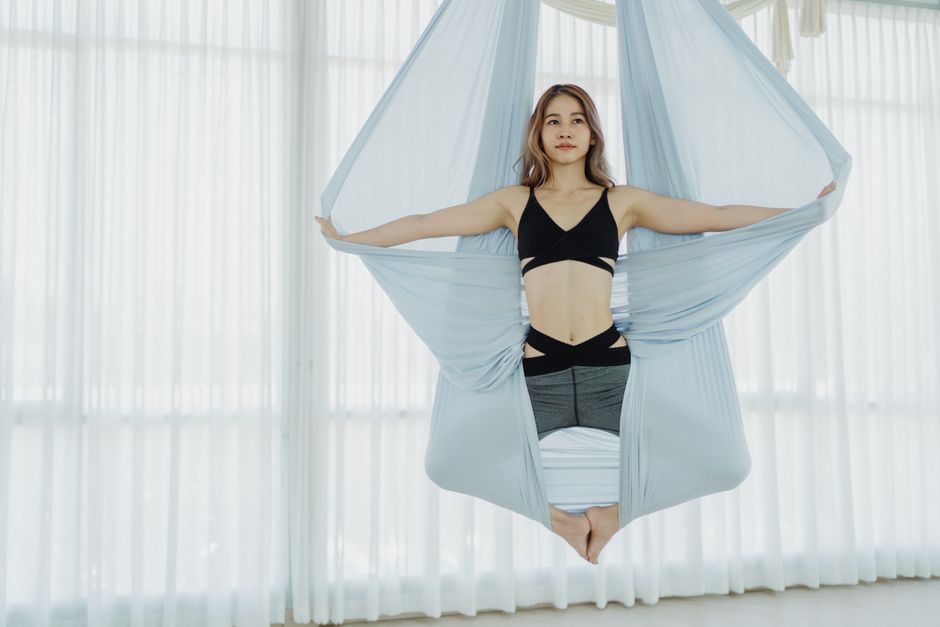
If you've ever watched a graceful aerialist float through the air or scrolled past a serene yoga hammock session on social media, you may have wondered: what's the actual difference between a yoga hammock and aerial silks? Both involve fabric, both involve hanging from the ceiling, and both look absolutely stunning. But underneath the surface, these two props serve very different purposes, demand different skill sets, and create entirely different experiences.
At our studio, we get this question almost daily. So let's settle it once and for all. In this guide, we'll break down the yoga hammock vs aerial silk debate across design, safety, difficulty, cost, and use cases — and give you a clear recommendation on which one is right for you.
What Is a Yoga Hammock?
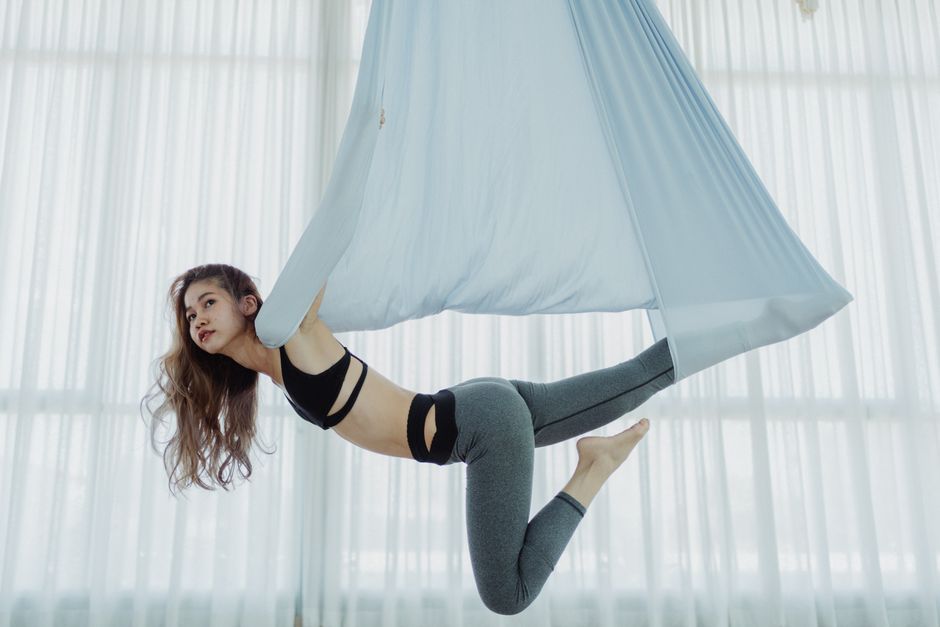
A yoga hammock (also called an aerial yoga hammock) is a wide, soft fabric loop suspended from a single or dual anchor point, typically at hip or waist height. It's designed to support your body weight during gentle stretches, inversions, and restorative poses. Think of it as a floating yoga mat that cradles you.
Key characteristics of a yoga hammock:
- Wide fabric panel (usually 2.8–3 meters wide)
- Low-hanging height, often adjustable
- Rated for 200–300 kg (440–660 lbs) of load
- Comes with handles or loops for grip
- Used for supported poses, not dynamic tricks
What Are Aerial Silks?
Aerial silks (also called ribbons or tissu) are two long, narrow lengths of low-stretch fabric hanging from a single high anchor point — often 5 to 10 meters above the ground. Aerialists climb, wrap, drop, and suspend themselves in complex poses and sequences, usually as a performance art.
Key characteristics of aerial silks:
- Two narrow fabric tails (typically 40–60 cm wide, 8–10 m long)
- High anchor point, requiring significant ceiling height
- Rated for dynamic loads and drops
- No handles — grip is achieved by wrapping the fabric
- Used for acrobatic choreography and performance
Head-to-Head Comparison Table
Here's a quick side-by-side breakdown of the most important factors:
| Feature | Yoga Hammock | Aerial Silk |
|---|---|---|
| Primary Purpose | Yoga, stretching, relaxation | Acrobatics, performance |
| Fabric Width | 2.8–3 m (wide panel) | 0.4–0.6 m per tail |
| Anchor Height | 2.5–3.5 m | 5–10 m |
| Skill Level | Beginner-friendly | Intermediate to advanced |
| Injury Risk | Low | Moderate to high |
| Setup Cost | $80–$250 | $150–$500+ |
| Ceiling Requirement | Standard room height | High ceiling or rig |
| Portability | Easy to pack | Bulky and heavy |
| Best For | Home practice, rehab, mindfulness | Studios, performers, athletes |
Fabric and Design Differences
The single biggest physical difference is the fabric itself. Yoga hammocks use a wide, parachute-like nylon panel that distributes your weight evenly across your back, hips, and legs. The fabric is soft, slightly stretchy, and often comes in calming colors.
Aerial silks, by contrast, use a low-stretch, medium-weight fabric (often 40-denier nylon tricot) that is deliberately narrow. That narrowness is what allows wraps, locks, and drops — but it also means the fabric digs into your skin during certain moves. Aerial silks are built for grip and control, not comfort.
Skill and Learning Curve
Here's where the two diverge sharply. A yoga hammock is accessible to almost anyone. Most beginners can safely sit, lounge, and even invert in a hammock within their first session. The wide fabric and low height make it feel secure, and there's very little risk of falling.
Aerial silks require serious training. Before you can perform even a basic climb, you need grip strength, core stability, and a solid understanding of wraps. Drops and dynamic moves carry real injury risk if performed incorrectly. Most aerialists train for months or years before performing publicly.
Safety Considerations
Both props require proper rigging, but the stakes are different. For a yoga hammock, you need a ceiling anchor rated for at least 300 kg and a clear space of about 2.5 meters. For aerial silks, you need a certified rigging point, a minimum ceiling height of 4.5–5 meters, and ideally a crash mat. Never rig either from a ceiling joist that hasn't been inspected by a professional.
Cost Comparison
Entry-level yoga hammocks start around $80 and top out near $250 for premium sets with mounting hardware. Aerial silks range from $150 for a basic fabric set to $500+ once you add rigging, a swivel, and a mat. Ongoing costs also differ: hammock classes are typically cheaper and more widely available than aerial silk classes.
Which One Should You Choose?
If you're looking for a gentle, restorative practice you can do at home — decompressing your spine, deepening stretches, and finding calm — a yoga hammock is the clear winner. It's beginner-friendly, affordable, and requires minimal ceiling height.
If you're drawn to performance, acrobatics, and the thrill of defying gravity, aerial silks are your path — but commit to training with a qualified instructor and invest in proper rigging.
Our recommendation: start with a yoga hammock. It builds the body awareness, grip strength, and confidence you'll need if you later decide to transition to aerial silks. Many of our students do exactly that — and they're glad they started with the hammock.
Final Thoughts
Yoga hammocks and aerial silks are cousins, not twins. One is a wellness tool; the other is a performance apparatus. Choose based on your goals, your space, and your experience level — and always prioritize safe rigging above everything else.
Share your market, quantities and rigging situation — we reply with a sample plan and timeline.