
 English
 简体中文
简体中文 Русский
 Español
 Deutsch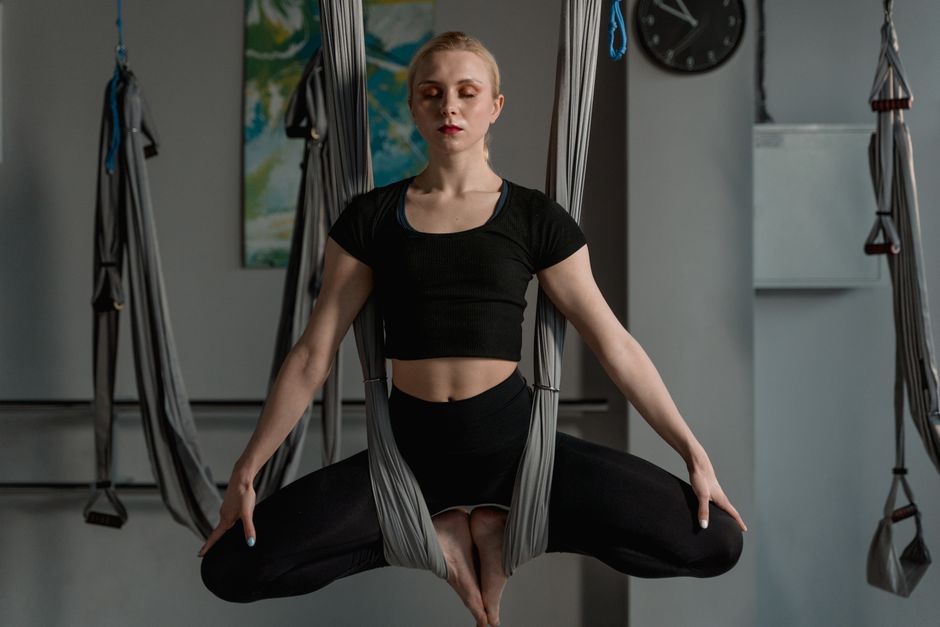
Is Aerial Yoga Safe for Back Pain? What to Know
Is aerial yoga safe for back pain? Learn the benefits, risks, and expert tips for using a yoga hammock to relieve back pain safely. Read our FAQ now!
Is Aerial Yoga Safe for Back Pain?
Aerial yoga, also known as yoga hammock or fly yoga, uses a soft fabric hammock suspended from the ceiling to support the body in various poses. Many people with back pain are drawn to it because the hammock can reduce spinal compression and allow gentle traction. But is it truly safe? The answer depends on the cause of your back pain, your overall health, and how you practice. In this FAQ, we answer the most common questions about aerial yoga and back pain so you can make an informed decision.
What Is Aerial Yoga and How Does It Differ from Traditional Yoga?
Aerial yoga combines traditional yoga poses with the support of a suspended hammock. The hammock can be used as a prop for support, a swing for dynamic movement, or a tool for inversion therapy. Unlike mat-based yoga, aerial yoga reduces the load on your spine and joints because the hammock bears part of your body weight.
This low-impact nature makes it appealing for people with back pain, but it also introduces new challenges: you must trust the hammock, maintain balance, and follow proper alignment. Without good instruction, the risk of injury can increase.
Can Aerial Yoga Help Relieve Back Pain?
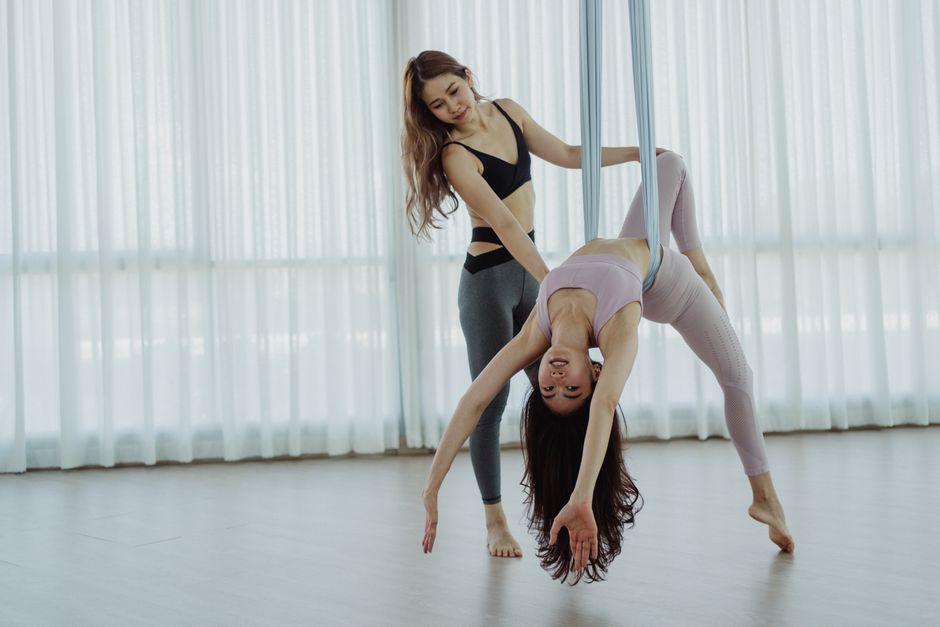
Yes, many practitioners report relief from back pain after aerial yoga sessions. The hammock allows gentle spinal decompression, which can ease pressure on discs and nerves. Poses like supported backbends and inversions can stretch tight muscles and improve circulation.
However, relief is not guaranteed. Studies on aerial yoga and back pain are limited, and results vary. Some people find that the swinging motion aggravates their symptoms. It is essential to listen to your body and consult a healthcare provider before starting.
Is Aerial Yoga Safe for People with Herniated Discs?
For herniated discs, safety depends on the severity and location of the herniation. Inversions and deep backbends can increase pressure on the spine if not performed correctly. Aerial yoga might help by creating traction, but it could also worsen the condition if you have an acute injury.
Always get clearance from your doctor or physical therapist. If approved, work with a certified aerial yoga instructor who has experience with spinal conditions. Start with gentle, supported poses and avoid any movement that causes sharp pain or numbness.
What Are the Potential Risks of Aerial Yoga for Back Pain?
Risks include muscle strain, joint compression, and falls. Inversions can raise blood pressure and cause dizziness. If you have uncontrolled hypertension, glaucoma, or vertigo, aerial yoga may be unsafe. Pregnant women and those with recent surgeries should also avoid it unless cleared by a doctor.
Another risk is improper use of the hammock. Without correct setup and supervision, you could slip or put excessive strain on your neck and lower back. Always check that the hammock is securely rigged and that your instructor is qualified.
How Can I Modify Aerial Yoga Poses for Back Pain?
Modifications are key to a safe practice. Use the hammock for support in standing poses, and avoid full inversions if they cause discomfort. Instead of hanging upside down, try a supported forward fold or a gentle backbend with the hammock at hip height.
You can also keep one foot on the floor for stability during swings. Communicate with your instructor about your limitations, and never push through pain. A good teacher will offer alternatives and help you adjust the hammock height and tension.
What Should I Look for in an Aerial Yoga Instructor?
Choose an instructor with a recognized certification in aerial yoga and experience teaching students with back issues. They should ask about your medical history and be able to demonstrate modifications. Look for small class sizes so you get individual attention.
Ask if they have first aid training and how they handle emergencies. A responsible instructor will also require a doctor's note if you have a known spinal condition. Don't be afraid to interview potential teachers before committing to a class.
How Do I Start Aerial Yoga Safely If I Have Back Pain?
Begin with a private session or a beginner-level class focused on gentle stretching. Tell your instructor about your back pain and any diagnosis. Start with simple poses that keep your spine neutral, and gradually introduce more challenging positions as your strength improves.
Warm up thoroughly and stay hydrated. Avoid practicing on a full stomach or when you're fatigued. If you feel any sharp pain, stop immediately and consult a professional. Consistency and patience are more important than pushing your limits.
Can Aerial Yoga replace Physical Therapy for Back Pain?
No, aerial yoga should not replace physical therapy or medical treatment. It can be a complementary activity that supports your recovery, but it is not a cure. Physical therapy addresses specific weaknesses and imbalances with targeted exercises.
If you're in physical therapy, ask your therapist if aerial yoga is appropriate for your condition. They may recommend certain poses or modifications. Always follow your treatment plan and use aerial yoga as an additional tool, not a substitute.
Frequently Asked Questions
Is aerial yoga safe for sciatica?
It can be, but it depends on the cause of your sciatica. Gentle traction may relieve pressure on the sciatic nerve, but inversions can worsen symptoms if you have a disc bulge. Consult your doctor first.
What should I wear for aerial yoga?
Wear fitted, comfortable clothing that covers your underarms and knees to prevent friction from the hammock. Avoid zippers and sharp accessories that could tear the fabric.
How often can I do aerial yoga with back pain?
Start with once a week and see how your body responds. If you feel good, you can gradually increase to two or three times per week, but always allow rest days.
Can I do aerial yoga at home?
Only if you have a professionally installed rig and proper safety mats. However, for back pain, it's best to practice under the guidance of a certified instructor, at least initially.
Final Thoughts
Aerial yoga can be a safe and beneficial practice for some people with back pain, but it is not without risks. The key is to get medical clearance, choose a qualified instructor, and modify poses to suit your condition. Listen to your body and never ignore pain. With the right approach, aerial yoga may help you find relief and enjoy a new way to move.
Share your market, quantities and rigging situation — we reply with a sample plan and timeline.