 English
 简体中文
简体中文 Русский
 Español
 Deutsch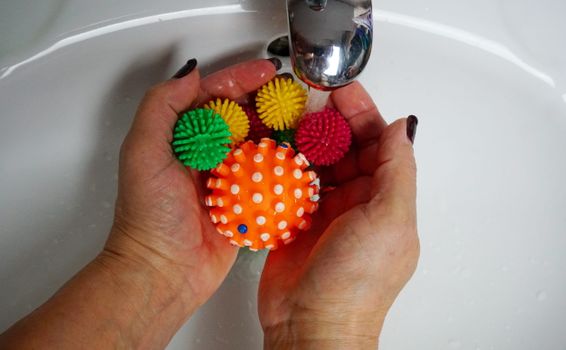
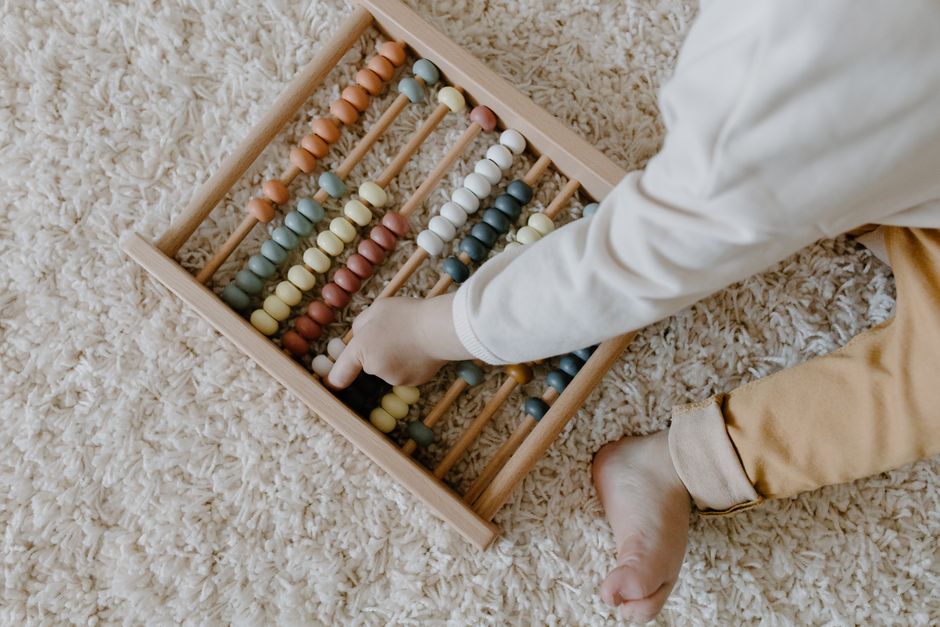
Why Sensory Toys Matter for Children with Autism
Sensory processing differences are one of the most common characteristics of autism spectrum disorder (ASD). Many children with autism either seek out extra sensory input or become overwhelmed by it, and often both on the same day. Sensory toys give children a safe, controlled way to explore touch, sound, sight, movement, and pressure at their own pace.
Occupational therapists frequently use sensory toys during sessions because they can help regulate arousal levels, reduce anxiety, and improve focus. The right toy can turn a meltdown moment into a calming ritual, or transform a fidgety afternoon into productive play. The key is matching the toy to your child's specific sensory profile rather than buying whatever is trending.
Below is a parent-tested guide to ten categories of sensory toys that consistently help autistic children. For each one, we explain what it does, who it suits best, and what to look for before you buy.

1. Weighted Blankets and Lap Pads
Deep pressure input is calming for many autistic children because it stimulates the proprioceptive system, which helps the body understand where it is in space. A weighted blanket or lap pad provides gentle, even pressure that can reduce restlessness and make it easier to sit still during homework, meals, or quiet time.
Choose a weight that is roughly 10 percent of your child's body weight, and always let your child choose whether to use it. Weighted items should never be used for children who cannot remove them independently, and they should not cover the head or face.
What to look for
- Breathable cotton cover with a washable duvet
- Evenly distributed glass beads or plastic pellets
- Small lap-pad sizes for classroom or car use
2. Chewable Jewelry and Oral Motor Tools
Mouthing and chewing are common self-regulation behaviors in autistic children. Chewable necklaces, bracelets, and pencil toppers give a safe alternative to chewing shirts, sleeves, or fingers, and they can also support jaw strength and speech muscle development.
Look for food-grade silicone that is free from BPA, latex, and phthalates. Match the firmness to your child's needs: soft chew tools suit beginners and heavy chewers may need a tougher, more resistant option. Always supervise young children and replace any tool that shows cracks or tears.
3. Fidget Toys for Focus and Calming
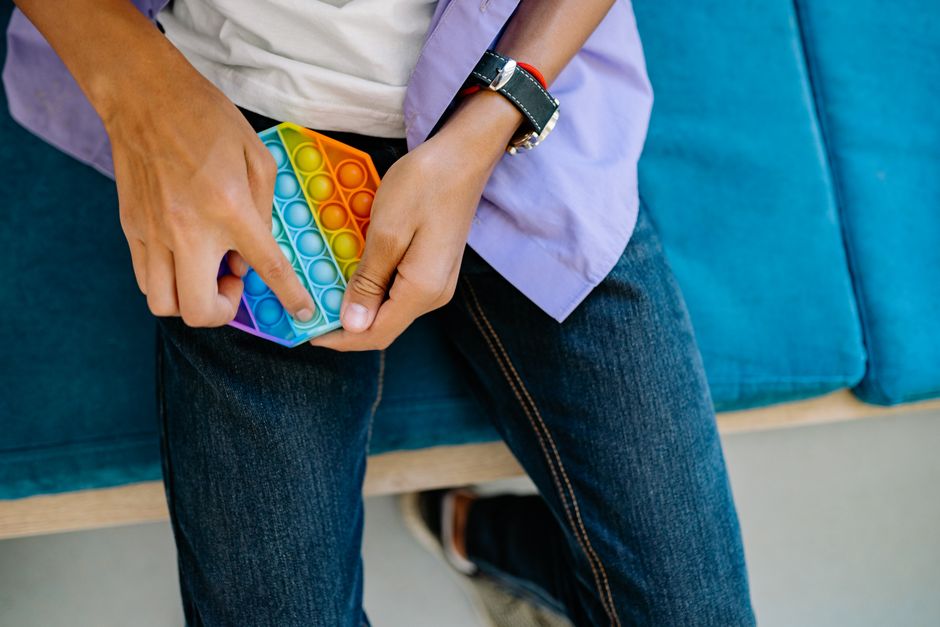
Fidgets work best when they provide repetitive, low-effort movement that occupies restless hands without pulling attention away from the task at hand. Simple options like squeeze balls, marble mazes, and spinner rings often outperform flashy electronic gadgets that become a distraction in themselves.
Keep a small fidget kit in your bag for waiting rooms, car rides, and transitions. Rotate the contents regularly so the novelty does not wear off, and let your child pick a favorite for school if the teacher allows it.
4. Sensory Swings and Movement Equipment
Vestibular input from swinging, spinning, and rocking can be powerfully organizing for autistic children. A therapy swing, platform swing, or even a simple hammock chair gives your child a way to seek movement safely indoors, especially on rainy days when outdoor play is not possible.
Always follow the manufacturer's weight limits and installation instructions, and mount equipment into ceiling joists or a sturdy frame. Start with slow, linear swinging before introducing spinning, and watch your child's cues. If they become pale, dizzy, or overexcited, stop and offer a calming activity instead.
5. Tactile Sensory Bins and Play Dough
Tactile exploration helps children gradually tolerate different textures, which can reduce aversion to messy activities like handwashing or haircuts. Sensory bins filled with rice, beans, kinetic sand, or water beads invite open-ended play and build fine motor skills at the same time.
Play dough and modeling clay are excellent low-mess alternatives. If your child is hesitant about touching new textures, start with dry materials like uncooked pasta and slowly introduce wetter ones. Tools such as scoops, tongs, and molds add variety without forcing direct contact.
6. Light and Visual Sensory Toys
For visual seekers, toys that glow, spin, or change color can be deeply engaging and soothing. Fiber optic lamps, liquid motion timers, and light-up wands provide predictable visual patterns that many autistic children find mesmerizing and calming.
Avoid strobe effects and rapid flashing, which can trigger sensory overload or seizures in sensitive children. Instead, choose slow, gradual color transitions and dimmable options that work well in a quiet corner or calm-down space.
7. Noise-Reducing Headphones and Sound Toys
Auditory sensitivity is common in autism, and something as ordinary as a school cafeteria or shopping mall can feel unbearable. Noise-reducing headphones give children control over their sound environment and can prevent overwhelm before it escalates into a meltdown.
On the other side of the spectrum, some children seek sound and benefit from musical toys, rain sticks, and gentle chime instruments. Introduce new sounds at low volume and let your child decide when to explore more.
8. Building and Stacking Sets
Construction toys offer predictable, rule-based play that appeals to many autistic children. Magnetic tiles, interlocking bricks, and wooden blocks support problem-solving, spatial reasoning, and sustained attention while giving children a sense of mastery and control.
Open-ended sets tend to have the longest lifespan because they grow with your child. Store pieces in labeled bins to reduce visual clutter, which can itself be a source of stress for children who thrive on order.
9. Calm-Down Corner Essentials
A dedicated calm-down space combines several sensory tools into one predictable retreat. Fill it with a soft beanbag, a weighted lap pad, a favorite fidget, noise-reducing headphones, and a visual feelings chart so your child can communicate what they need without words.
Introduce the corner during calm moments, never as a punishment. When a child associates the space with comfort rather than discipline, they are far more likely to use it independently when they feel overwhelmed.
10. How to Choose the Right Sensory Toy
Start by observing your child's sensory preferences. Do they seek movement, pressure, or oral input, or do they avoid loud sounds and bright lights? A simple sensory checklist from your occupational therapist can help you identify which categories to prioritize.
Buy one or two items at a time and observe how your child responds over a week. Keep a simple log of what calms them, what excites them, and what they ignore. Safety always comes first: check for choking hazards, non-toxic materials, and age recommendations.
Quick comparison
| Toy type | Best for | Typical age |
|---|---|---|
| Weighted blanket | Calming, sleep, sitting still | 3+ with supervision |
| Chewable jewelry | Oral seeking, attention | 3+ |
| Fidget toys | Focus, restless hands | 4+ |
| Sensory swing | Movement seeking, regulation | 3+ with adult supervision |
| Noise-reducing headphones | Auditory sensitivity | 2+ |
Every autistic child is unique, so the best sensory toy is the one that fits your child's needs today. Start small, follow their lead, and celebrate the small wins. With the right tools, playtime can become a source of comfort, connection, and growth for the whole family.