 English
 简体中文
简体中文 Русский
 Español
 Deutsch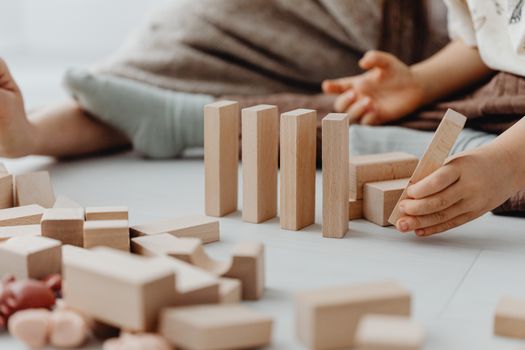
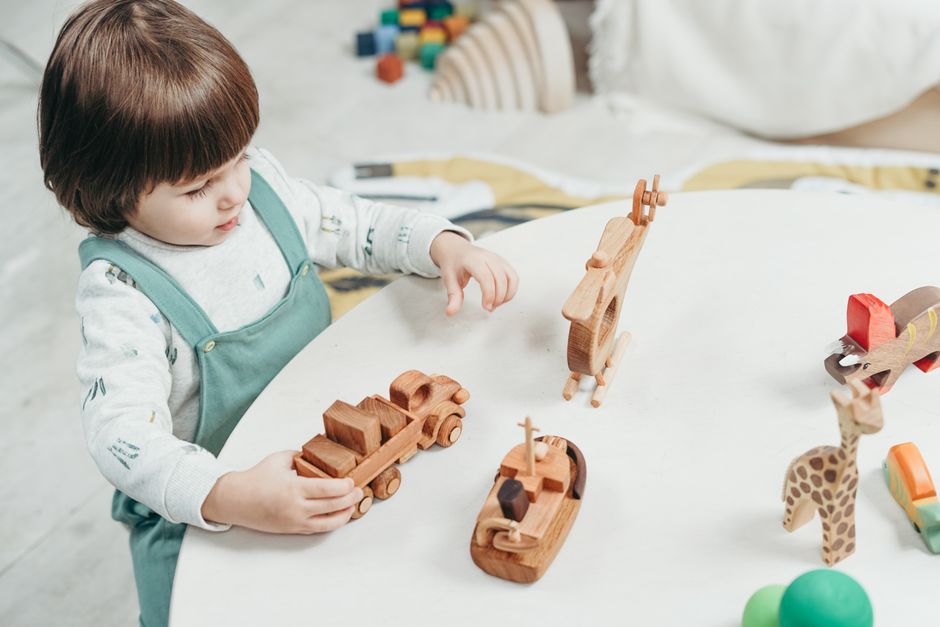
Why Eco-Friendly Toys Matter in Today's World
Every year, millions of tons of plastic toys end up in landfills, where they can take centuries to decompose. As parents, educators, and gift-givers become more conscious of environmental impact, the demand for eco-friendly toys for children has grown dramatically. Choosing sustainable toys is not just a trend—it is a meaningful step toward a healthier planet and a safer play environment for kids.
This guide explores everything you need to know about sustainable toys: the materials to look for, the certifications that matter, practical shopping tips, and how to build a toy collection that is both fun and responsible.
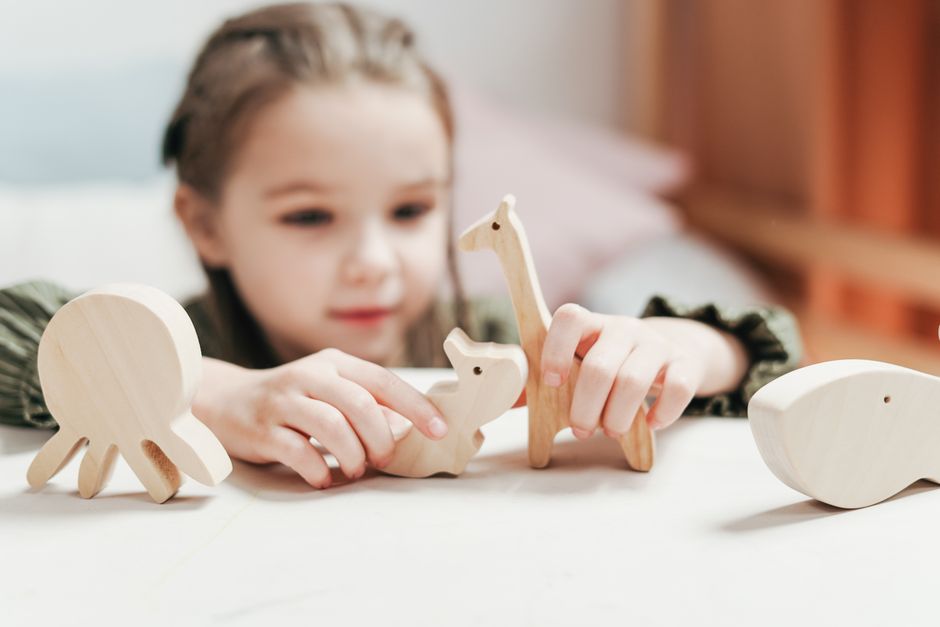
What Makes a Toy Eco-Friendly?
A toy can be considered eco-friendly when it minimizes harm to the environment throughout its lifecycle—from raw material sourcing to manufacturing, use, and disposal. Key factors include:
- Renewable or recycled materials: Wood from sustainably managed forests, organic cotton, recycled plastic, or bamboo.
- Non-toxic finishes: Water-based paints, natural oils, and dyes free from lead, phthalates, and BPA.
- Low-impact manufacturing: Energy-efficient production, minimal waste, and fair labor practices.
- Durability and repairability: Toys built to last reduce the cycle of constant replacement.
- Biodegradable or recyclable packaging: Minimal plastic wrap and printed with soy-based inks.
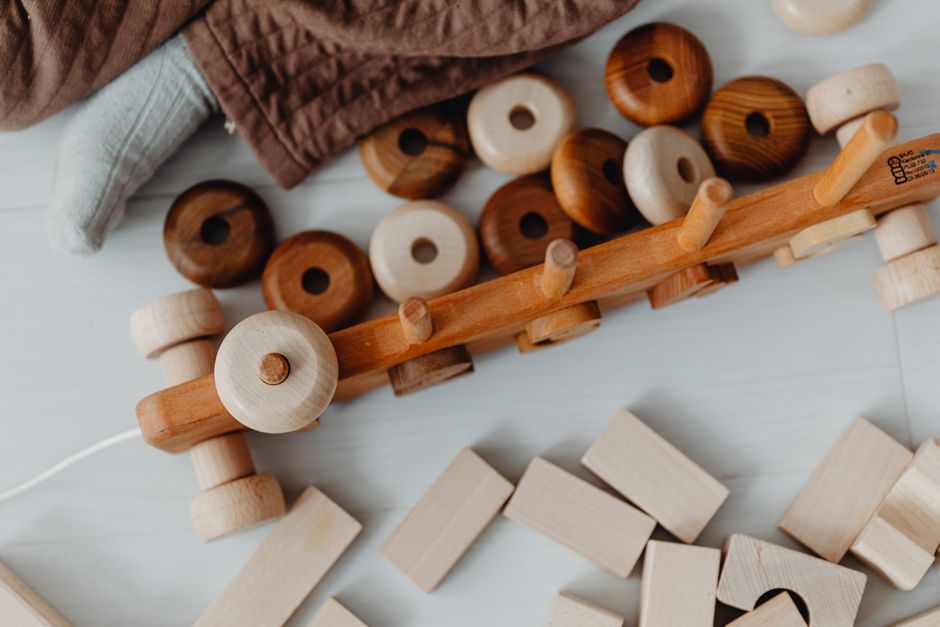
Top Sustainable Materials for Children's Toys
1. Sustainably Sourced Wood
Wooden toys are timeless for a reason. They are durable, naturally antibacterial, and often biodegradable. Look for FSC (Forest Stewardship Council) certification to ensure the wood comes from responsibly managed forests. Hardwoods like maple and beech are especially long-lasting.
2. Organic Cotton and Natural Fabrics
Plush toys made from organic cotton, wool, or hemp avoid the pesticides and synthetic dyes found in conventional textiles. They are softer on sensitive skin and break down more easily at the end of their life.
3. Bamboo
Bamboo grows rapidly without pesticides, making it a highly renewable resource. It is lightweight, sturdy, and ideal for teethers, building blocks, and musical toys.
4. Recycled Plastic
Recycled HDPE and other post-consumer plastics give new life to waste while offering the bright colors and shapes children love. Brands using recycled plastic significantly reduce fossil fuel consumption compared to virgin plastic production.
5. Natural Rubber and Silicone
Plant-based natural rubber and food-grade silicone are excellent for teething toys and bath toys. They are free from harmful chemicals and often compostable.
Certifications to Look For
Certifications help you verify a toy's eco-credentials without doing hours of research. Here are the most trusted ones:
| Certification | What It Means |
|---|---|
| FSC | Wood from responsibly managed forests |
| GOTS | Organic textile production standards |
| OEKO-TEX | Textiles tested for harmful substances |
| CPSIA | U.S. safety standards for children's products |
| Green Seal | Environmental impact across the product lifecycle |
Keep in mind that a toy does not need every certification to be a good choice, but the presence of at least one reputable label is a strong signal of quality and responsibility.
Practical Tips for Choosing Eco-Friendly Toys
- Prioritize open-ended play: Blocks, dolls, and art supplies that can be used in many ways last longer and grow with your child.
- Buy less, choose better: A few high-quality toys outperform a room full of disposable plastic items.
- Check the packaging: Minimal, recyclable packaging is a good indicator of a brand's overall values.
- Read the label carefully: Terms like 'natural' are not regulated; look for specific claims such as '100% organic cotton' or 'FSC-certified wood'.
- Consider the end of life: Can the toy be composted, recycled, or passed down? Plan for its next home.
Eco-Friendly Toys by Age Group
Babies (0–12 months)
Focus on natural rubber teethers, organic cotton rattles, and wooden grasping toys finished with food-safe oils. Avoid small parts and anything with strong synthetic odors.
Toddlers (1–3 years)
Wooden stacking rings, bamboo puzzles, and felt books are excellent choices. They support motor skill development while being safe and sustainable.
Preschoolers (3–5 years)
Recycled plastic building sets, wooden train tracks, and natural play dough made from plant-based ingredients encourage creativity without environmental guilt.
School-Age Children (6+)
Look for STEM kits with biodegradable components, recycled craft supplies, and outdoor toys made from durable, responsibly sourced materials.
The Role of Parents and Educators
Adults shape how children think about consumption. By modeling mindful choices—repairing broken toys, donating outgrown items, and explaining why certain materials are better—you teach kids that caring for the planet is a normal part of daily life. Many schools now incorporate sustainability into play-based learning, reinforcing these values at an early age.
Common Myths About Eco-Friendly Toys
Myth 1: Eco-friendly toys are boring. In reality, wooden blocks, natural play dough, and recycled building sets offer endless creative possibilities—often more than battery-operated toys.
Myth 2: They are always expensive. While some premium brands cost more, durable toys save money over time because they last for years and can be handed down.
Myth 3: They are not safe. Reputable eco-toy brands exceed safety standards and avoid the toxic chemicals often found in cheap plastic imports.
How to Build a Sustainable Toy Rotation
A toy rotation keeps play fresh while reducing clutter and overconsumption. Follow these steps:
- Select 5–8 toys per rotation based on your child's current interests.
- Store the rest out of sight and swap every two to four weeks.
- Repair minor damage instead of replacing items.
- Donate or pass on toys your child has outgrown.
- Introduce one or two new sustainable toys per season rather than a large haul.
Final Thoughts: Play That Respects the Planet
Choosing eco-friendly toys for children is a small but powerful way to invest in a healthier future. By prioritizing sustainable materials, checking certifications, and embracing a less-is-more mindset, you can give your child joyful play experiences without compromising the environment. Start small—swap one plastic toy for a wooden or organic alternative this month—and let sustainability become a natural part of your family's routine.