 English
 简体中文
简体中文 Русский
 Español
 Deutsch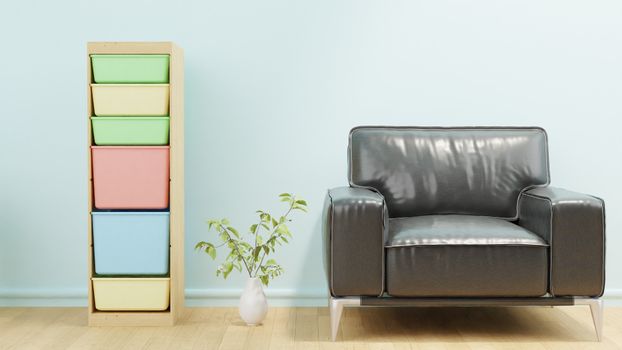
Why Organizing Kids' Toys Matters More Than You Think
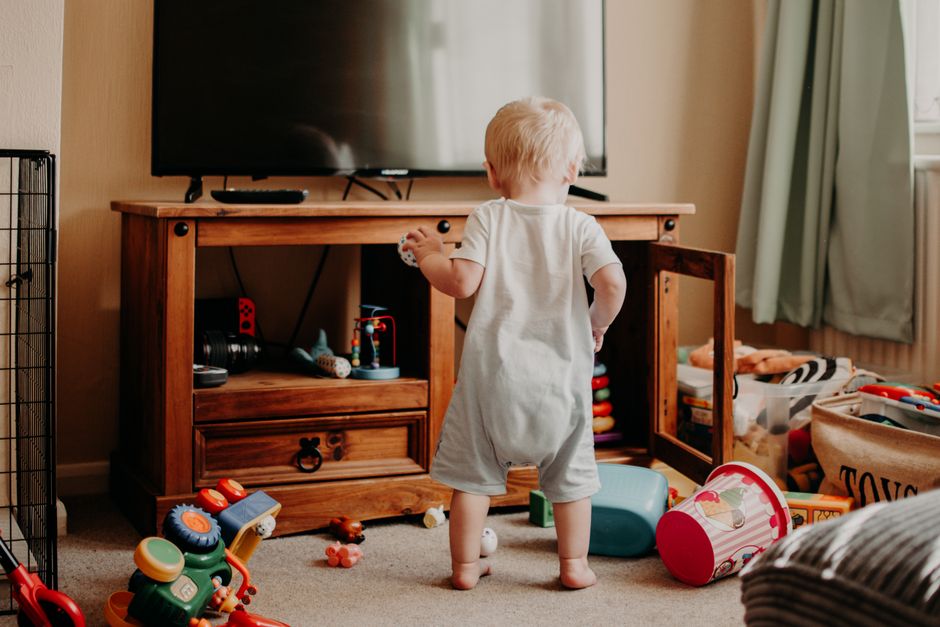
If you've ever stepped on a stray building block in bare feet or dug through a bin for a missing puzzle piece, you already know the struggle. Kids' toys have a magical way of multiplying overnight, spreading from the playroom to the living room, the kitchen, and somehow even the bathroom. But organizing kids' toys isn't just about a tidy house — it's about creating a calmer environment for the whole family, teaching children valuable life skills, and making playtime more enjoyable because everything is actually findable.
Research on child development suggests that too many toys can overwhelm young children and shorten their attention spans during play. A well-organized, rotating selection of toys can boost creativity, reduce meltdowns, and make cleanup a habit rather than a battle. In this guide, we'll walk through practical, realistic strategies for organizing toys at home — no matter how small your space or how many kids you have.
Start With a Full Toy Audit
Before you buy a single storage bin, you need to know what you're dealing with. A toy audit is the foundation of any successful organization system.
Step 1: Gather Everything in One Place
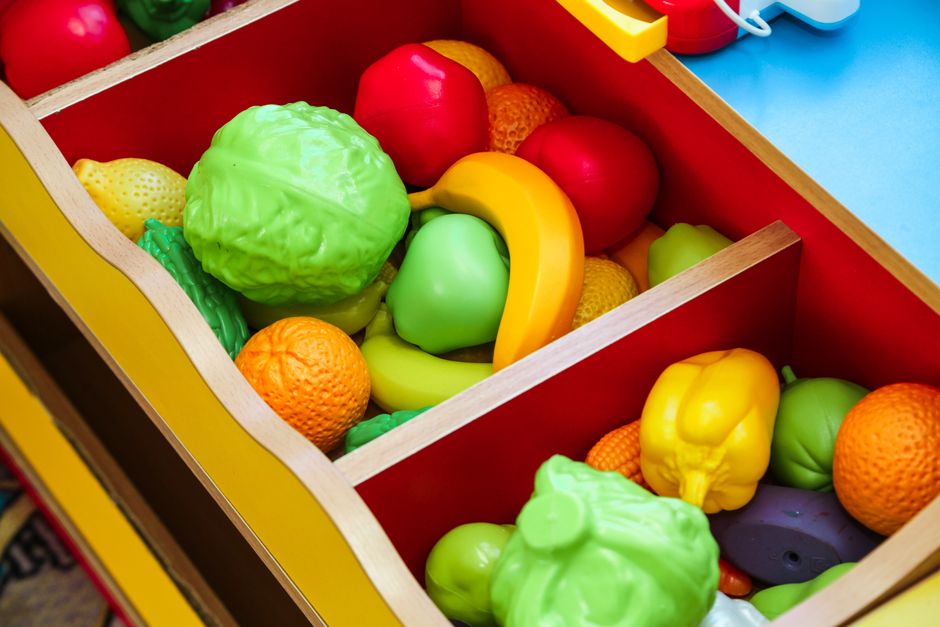
Collect every toy from every room — bedrooms, living room, car, grandparents' house if possible. Seeing the full volume in one spot is often a wake-up call. Most families discover they own far more than they realized.
Step 2: Sort Into Four Piles
- Keep: Toys that are currently loved, age-appropriate, and in good condition.
- Donate: Toys in good shape that your child has outgrown or ignores.
- Trash/Recycle: Broken, missing-piece, or unsafe items.
- Store: Sentimental items or toys for a younger sibling not yet ready.
Step 3: Involve Your Kids
Children as young as three can help sort. Give them a small basket and ask them to pick their favorite five toys. This builds decision-making skills and reduces resistance to letting go of the rest. For older kids, set a rule like "if you haven't played with it in six months, it's time to pass it on."
Choose the Right Storage Solutions
The best storage system is one your child can actually use independently. If a lid is too heavy or a shelf too high, toys will end up on the floor again.
Open Bins and Baskets
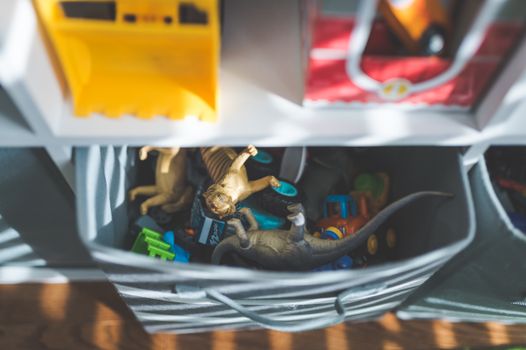
Open bins are ideal for preschoolers. Clear or labeled bins let kids see what's inside without dumping everything out. Fabric baskets work well for soft toys, while sturdy plastic bins handle blocks and cars. Avoid deep, dark toy chests — they become black holes where toys go to be forgotten.
Low Shelves and Cube Units
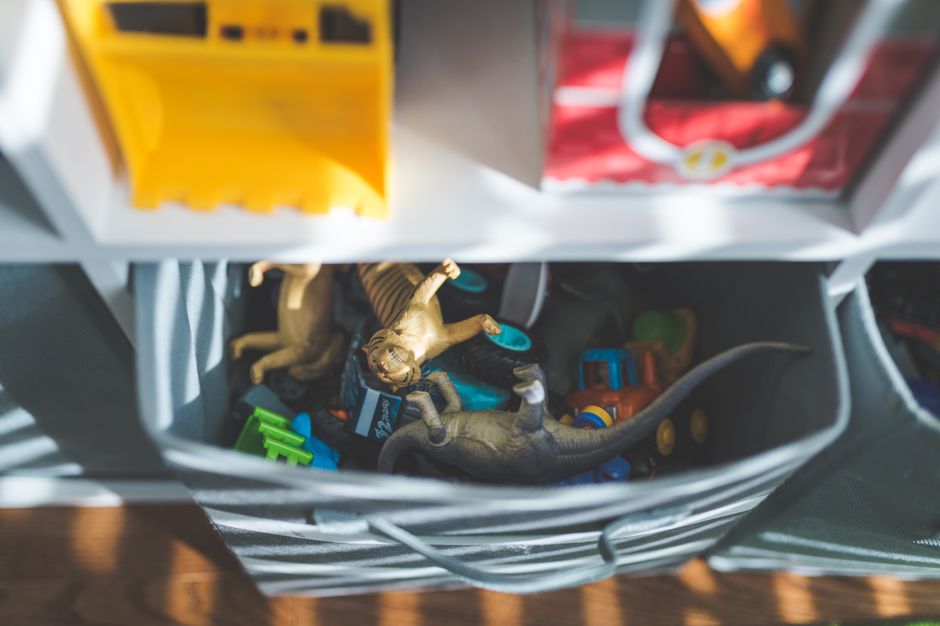
Cube organizers with fabric drawers are a classic for a reason. They're affordable, modular, and fit almost any wall. Place the most-used items at kid height and rotate seasonal or occasional toys to higher shelves.
Label Everything
Labels are the secret weapon of toy organization. Use picture labels for pre-readers and word labels for older kids. A simple printable label with a photo of blocks or a drawing of a doll makes cleanup a matching game rather than a chore.
| Toy Type | Best Storage | Why |
|---|---|---|
| Building blocks | Clear plastic bin with lid | Keeps small pieces contained and visible |
| Stuffed animals | Mesh toy hammock or bean bag | Saves floor space, easy to toss in |
| Puzzles | Zippered pouches or stackable trays | Prevents lost pieces |
| Art supplies | Caddy with compartments | Portable and organized by color/type |
| Books | Front-facing low shelf | Encourages independent reading |
Create Toy Zones by Activity
Instead of storing all toys together, group them by how they're used. This is one of the most effective strategies for keeping order long-term.
- Quiet zone: Books, puzzles, and art supplies near a small table or reading nook.
- Active zone: Blocks, cars, and building sets on a rug or open floor area.
- Imaginative zone: Dress-up clothes, dolls, and action figures near a mirror or play kitchen.
- Travel zone: A small bin or bag of car-friendly toys kept by the door.
When toys have a designated home that matches how kids play, cleanup becomes intuitive. A child playing with blocks knows exactly where they go because that's where they always are.
Implement a Toy Rotation System
You don't need to display every toy at once. In fact, rotating toys is one of the best-kept secrets of organized parents.
How Rotation Works
Divide toys into three or four groups. Keep one group accessible and store the rest out of sight — in a closet, garage, or under-bed bin. Every two to four weeks, swap the accessible group with a stored one. Suddenly, old toys feel brand new again.
Benefits of Toy Rotation
- Less visual clutter and easier cleanup
- Longer, deeper play sessions
- Fewer toy purchases because novelty is restored
- Easier to identify which toys your child truly loves
Start with just two bins if three feels overwhelming. Even a simple swap every month makes a noticeable difference.
Build Daily and Weekly Cleanup Routines
Organization isn't a one-time event — it's a habit. Kids thrive with predictable routines, and cleanup is no exception.
The 10-Minute Tidy
Set a timer for ten minutes before dinner or bedtime. Everyone — parents included — picks up. Make it a game: who can put away the most items? Play a cleanup song and challenge kids to finish before it ends.
Weekly Reset
Once a week, do a quick scan for misplaced items, broken toys, and anything that's migrated to the wrong room. Ten minutes of maintenance prevents hours of deep cleaning later.
Make It Kid-Friendly
- Use a "one toy out at a time" rule for messy sets like LEGO or Play-Doh.
- Keep a small basket at the bottom of the stairs for items that need to go up.
- Praise effort, not perfection — a bin of mixed toys is better than a floor covered in them.
Handle Common Toy Organization Challenges
Small Spaces
Use vertical space with wall shelves, over-the-door organizers, and under-bed storage bags. A rolling cart can serve as a mobile toy station that tucks into a closet when not in use.
Multiple Children
Give each child a personal bin for special toys, plus shared bins for communal items. Color-code bins by child to end the "that's mine" debates.
Grandparent and Gift Overload
Ask relatives for experience gifts or contributions to a savings fund instead of more toys. Keep a donation box ready year-round so new gifts can replace old items without adding clutter.
Final Thoughts: Progress Over Perfection
Organizing kids' toys is a moving target. Children grow, interests shift, and new toys arrive with every birthday and holiday. The goal isn't a Pinterest-perfect playroom — it's a system that's easy to maintain and that helps your kids learn to care for their belongings.
Start small. Pick one room, do a quick audit, and add a single labeled bin. Then build from there. With consistent routines and a bit of creativity, you can turn toy chaos into a calm, play-friendly home that works for the whole family.