 English
 简体中文
简体中文 Русский
 Español
 Deutsch
When it comes to choosing toys for your child, the debate between Montessori and traditional toys is a common one. Both approaches have passionate advocates, and each offers distinct benefits for your child's development. In this article, we'll compare Montessori toys and traditional toys across several key factors to help you decide which is better for your family.
What Are Montessori Toys?
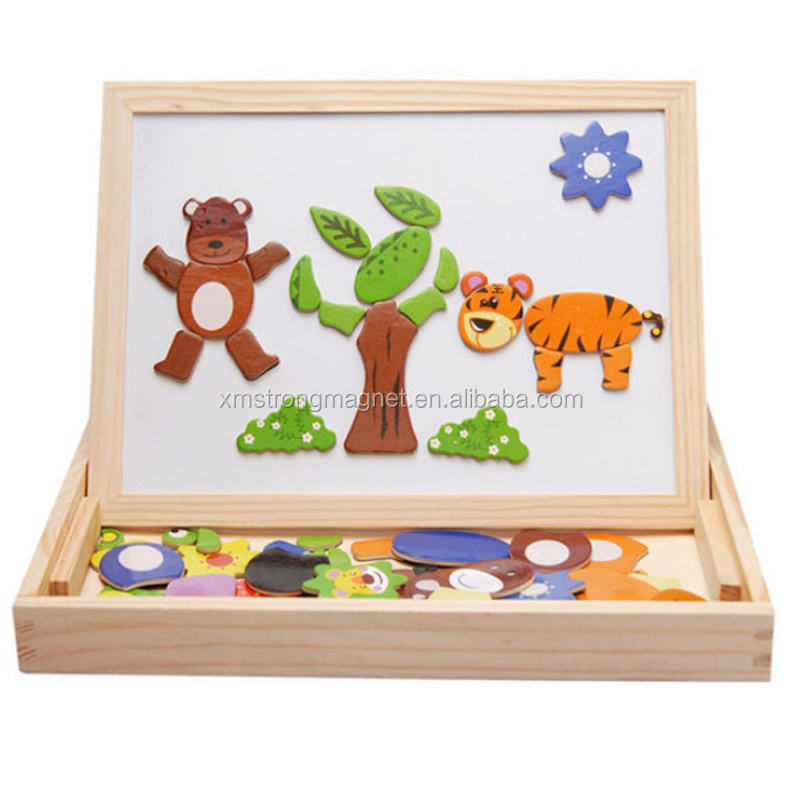
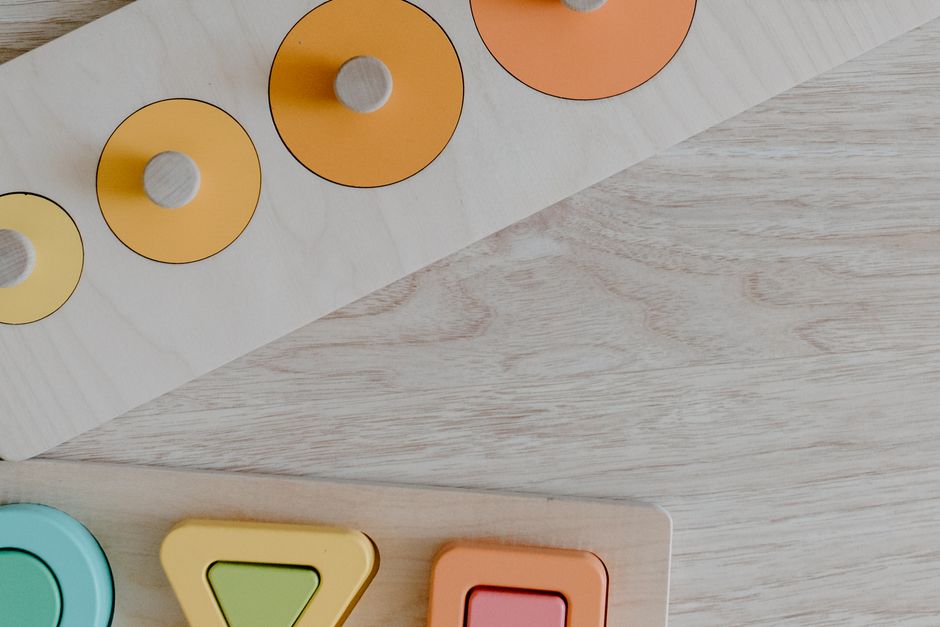
Montessori toys are designed based on the educational philosophy of Dr. Maria Montessori. They emphasize simplicity, natural materials, and open-ended play. These toys are often made from wood, cloth, or other natural materials and are intended to encourage independent exploration, problem-solving, and creativity. Examples include stacking rings, shape sorters, and sensory bins.
What Are Traditional Toys?
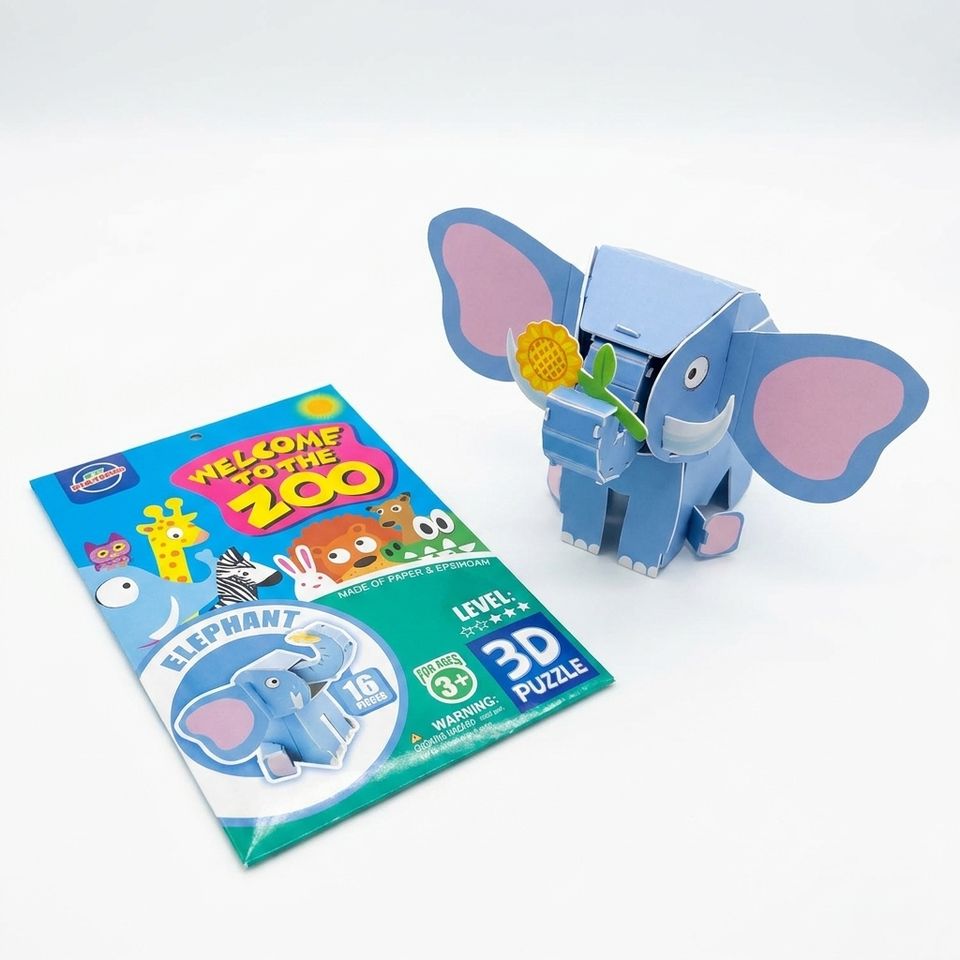
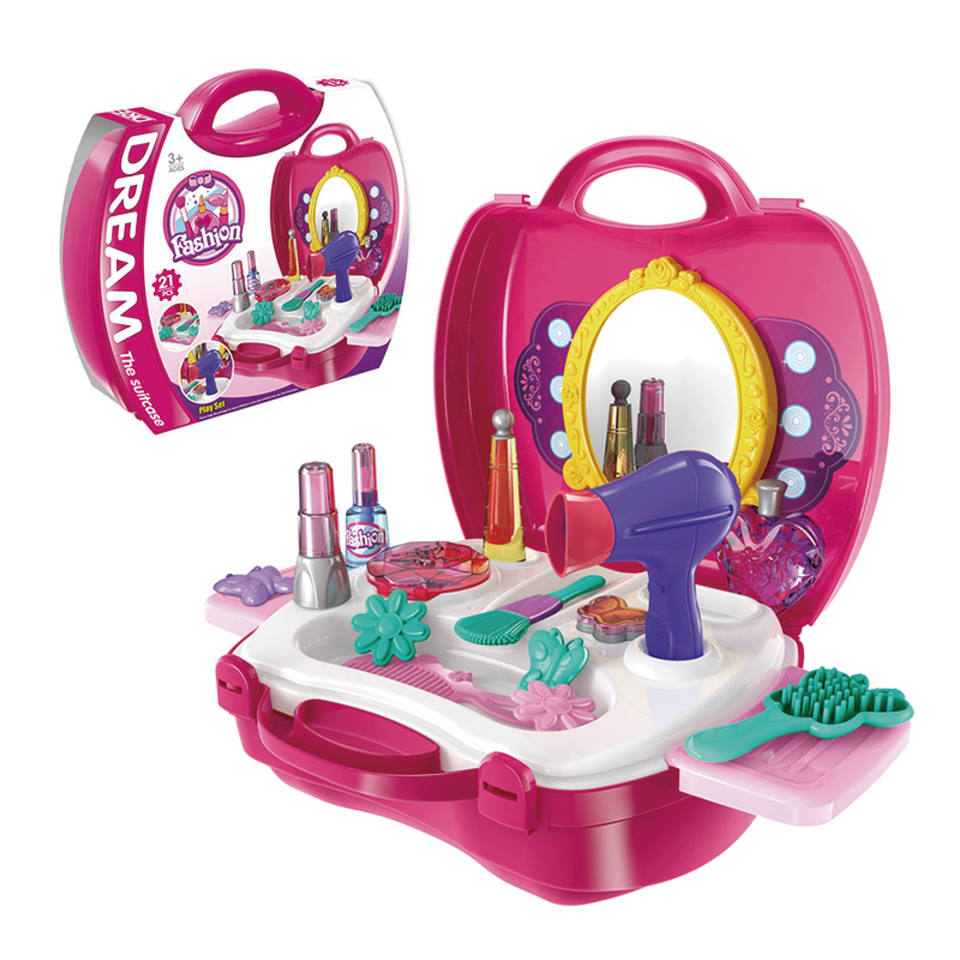
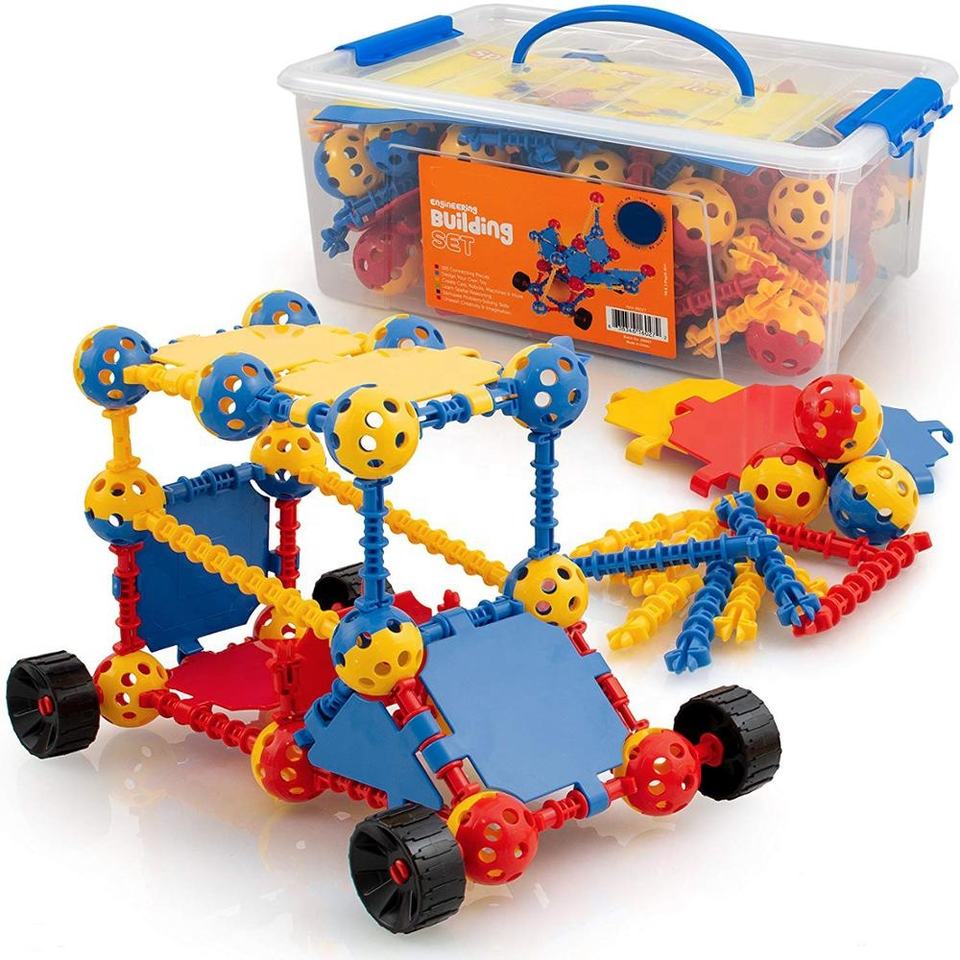
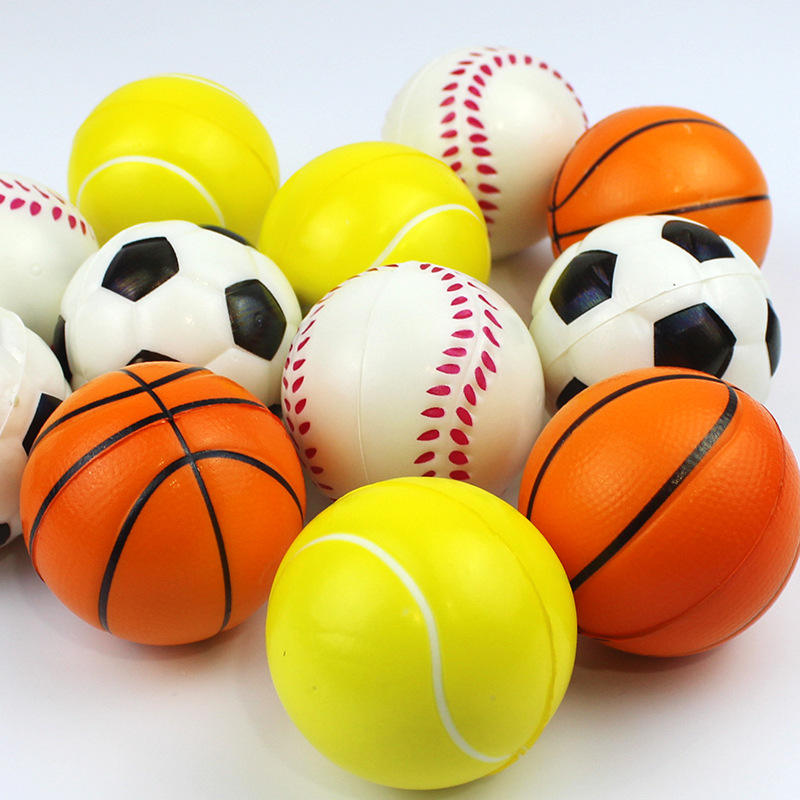
Traditional toys encompass a wide range of commercially available toys, often made from plastic and featuring bright colors, lights, and sounds. They are typically designed to entertain and engage children with specific play patterns. Examples include action figures, dolls, electronic learning toys, and board games.
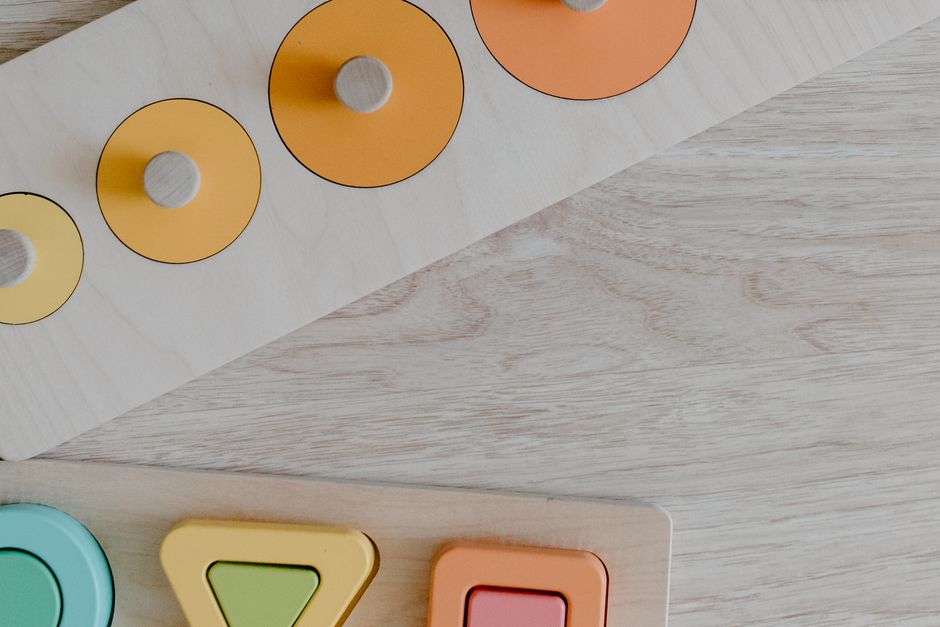
Comparison of Montessori and Traditional Toys
To make an informed choice, let's compare these two types of toys across several important criteria.
1. Educational Philosophy
Montessori toys are rooted in a child-led, hands-on learning approach. They aim to develop concentration, coordination, and independence. Traditional toys often focus on entertainment and may have specific educational goals, such as teaching ABCs or numbers.
2. Materials and Safety
Montessori toys prioritize natural, non-toxic materials like wood and organic cotton. Traditional toys are often made of plastic, which can be safe but may contain chemicals like BPA. Both types must meet safety standards, but Montessori toys are often preferred by parents seeking eco-friendly options.
3. Play Style
Montessori toys encourage open-ended, imaginative play with no fixed outcome. Traditional toys may have a predetermined way to play, which can limit creativity but provide clear guidance.
4. Developmental Benefits
Montessori toys are designed to support specific developmental stages, enhancing fine motor skills, cognitive abilities, and social-emotional growth. Traditional toys can also be developmental, but their benefits may be more focused on specific skills like letter recognition or hand-eye coordination.
5. Longevity and Cost
Montessori toys are often more durable and can be used for multiple children, making them cost-effective in the long run. Traditional toys may be less expensive upfront but might break easily or be outgrown quickly.
Feature Comparison Table
| Feature | Montessori Toys | Traditional Toys |
|---|---|---|
| Materials | Natural (wood, cloth, metal) | Often plastic, sometimes electronic |
| Educational Focus | Child-led, open-ended | Often structured, skill-specific |
| Play Style | Imaginative, no fixed outcome | Guided, sometimes with lights/sounds |
| Durability | High | Varies |
| Cost | Higher upfront, long-lasting | Lower upfront, may need replacement |
| Developmental Benefits | Holistic (motor, cognitive, social) | Targeted (e.g., ABC, numbers) |
| Safety | Non-toxic, natural materials | Regulated, but plastic concerns |
Pros and Cons
Montessori Toys
- Pros: Encourages independence, creativity, and critical thinking; eco-friendly; durable; supports holistic development.
- Cons: Higher initial cost; may require more parental guidance; less stimulating for some children.
Traditional Toys
- Pros: Affordable; widely available; engaging with lights and sounds; can teach specific skills.
- Cons: Often plastic and less durable; may limit creativity; can be overstimulating.
Which Is Better?
There is no one-size-fits-all answer. The best choice depends on your child's personality, your parenting style, and your budget. However, many child development experts recommend a balanced approach. Incorporating Montessori toys can foster independence and creativity, while traditional toys can provide entertainment and specific learning opportunities.
If you value natural materials, open-ended play, and long-term developmental benefits, Montessori toys are an excellent investment. If you're looking for affordable, engaging toys that teach specific skills, traditional toys have their place.
Ultimately, the best toys are those that match your child's interests and developmental stage, and that you feel comfortable providing. Both Montessori and traditional toys can contribute positively to your child's growth when used thoughtfully.
Recommendation
For parents seeking a holistic, child-centered approach, we recommend starting with a few high-quality Montessori toys, such as a wooden stacking toy or a shape sorter. For variety and specific skill-building, supplement with select traditional toys. This hybrid approach offers the best of both worlds, catering to your child's diverse needs.
Remember, the most important factor is your involvement and interaction with your child during play. The right toys are tools to facilitate bonding and learning, regardless of the category.