 English
 简体中文
简体中文 Русский
 Español
 Deutsch
A car air purifier with USB power and an ionizer is one of the smartest upgrades you can make for your daily commute. Whether you battle smog, pollen, pet odors, or highway exhaust, the right combination of features keeps your cabin air noticeably fresher. Below are the top features to look for, explained in detail so you can choose confidently.
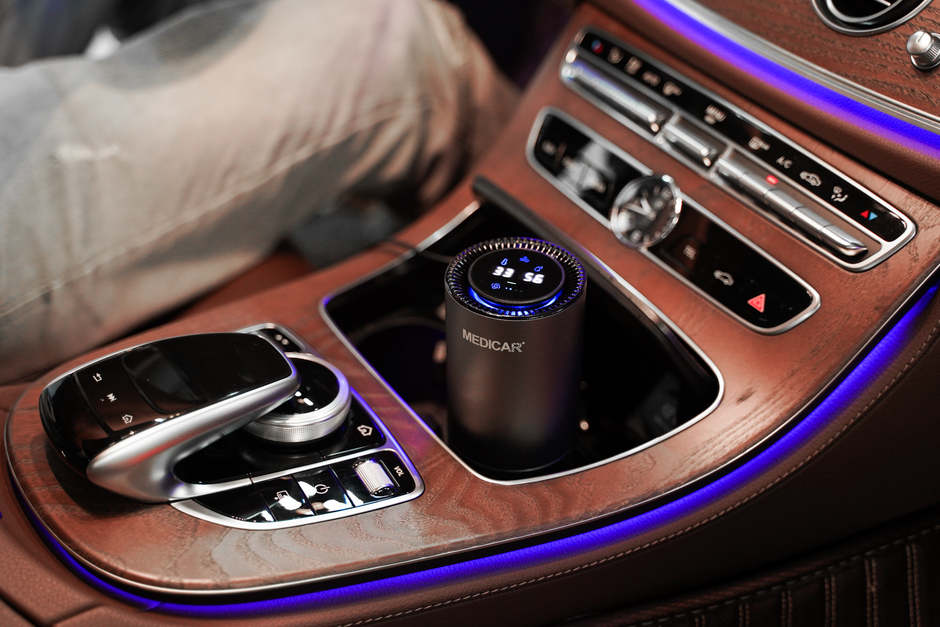
1. USB Power for Universal Compatibility
USB power is the single most convenient feature in a modern car air purifier. Instead of hunting for a 12V socket adapter, you simply plug into your car's USB port, a power bank, or even a laptop. This makes the purifier portable between vehicles and usable during road trips, camping, or in rental cars.
Look for a purifier that supports both USB-A and USB-C, and check the voltage and amperage requirements. Most quality units draw 5V/1A to 5V/2A, which any standard port can supply. A braided, tangle-resistant cable is a small detail that makes a big difference over years of use.
USB power also means lower energy consumption, so the purifier won't drain your car battery when the engine is off. That's a meaningful advantage if you like to keep the device running while parked.
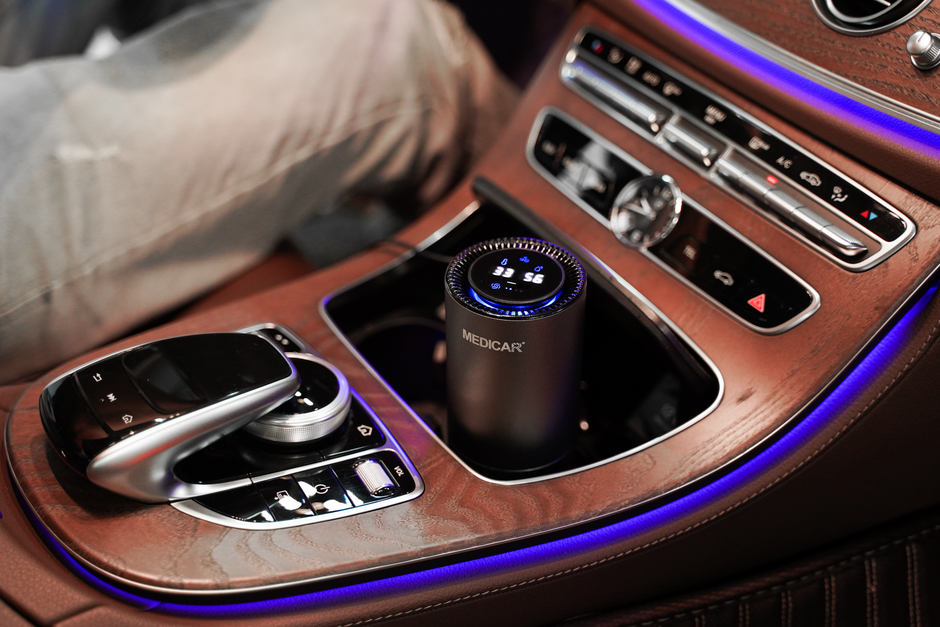
2. Built-In Ionizer for Particle Removal
An ionizer releases negatively charged ions that attach to dust, smoke, and pollen particles, causing them to clump together and fall out of the air or get captured by the filter. This technology is especially effective against fine particulate matter (PM2.5) that standard filters can miss.
Many users notice that ionizers also reduce static electricity and help with lingering odors from food, pets, or cigarette smoke. The effect is subtle at first but becomes obvious in a closed cabin over a 20- to 30-minute drive.
Important: choose a purifier with an on/off switch for the ionizer. Some people are sensitive to high ion concentrations, and being able to disable it gives you full control. Also confirm that the unit produces ozone within safe limits (ideally below 0.05 ppm).
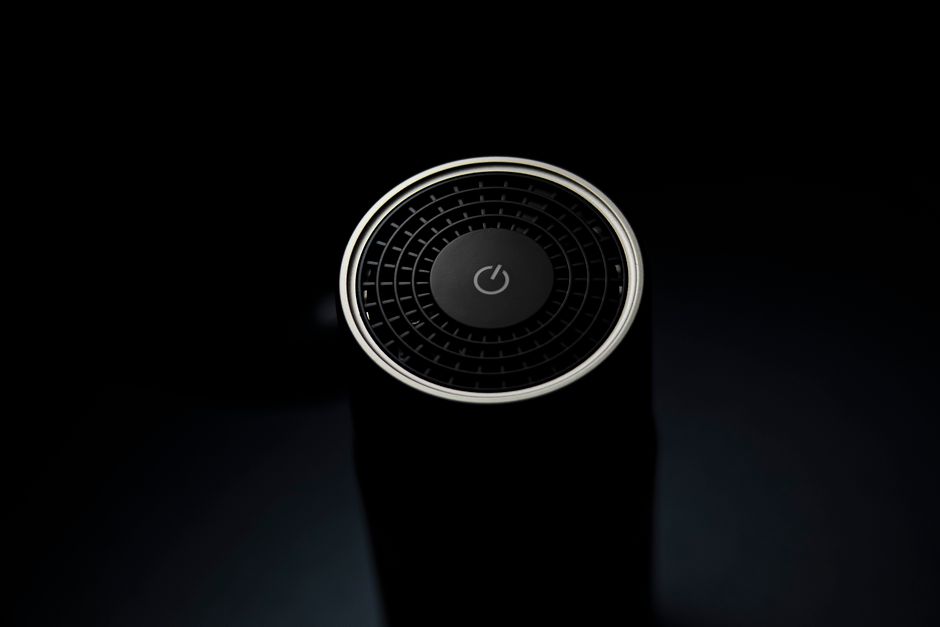
3. HEPA Filtration Paired With Ionization
The best car air purifiers combine a true HEPA filter with an ionizer. HEPA captures 99.97% of particles down to 0.3 microns, while the ionizer handles ultrafine particles and helps the filter last longer by pre-charging debris.
Check the filter grade: H13 HEPA is the sweet spot for car use. A pre-filter layer for hair and large dust, plus an activated carbon layer for gases and odors, rounds out a complete filtration stack.
Replacement filters should be easy to find and affordable. A purifier with a proprietary, hard-to-source filter becomes useless within a year, no matter how good its features look on paper.
4. Compact, Cup-Holder-Friendly Design
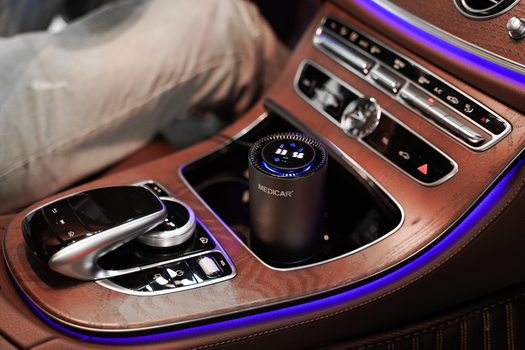
Cabin space is precious, so a purifier should fit in a cup holder or attach to a vent without blocking your view. Cylindrical designs around 6–8 inches tall tend to work best.
Weight matters too. A unit under one pound stays put on bumpy roads and is easy to move between cars. Non-slip silicone bases prevent sliding during hard braking.
If you frequently carry passengers, consider a model with a 360-degree air intake and output, so everyone in the car benefits rather than just the driver.
5. Quiet Operation and Adjustable Fan Speeds
Noise is the most common complaint about car air purifiers. Look for a unit rated under 35 dB on low, which is roughly a whisper. Higher speeds will be louder, but they should still stay below normal conversation level.
Multiple fan speeds let you run quiet during calls and boost power when you first get in. A memory function that restores your last setting is a nice touch.
Some premium models include a night mode that dims lights and lowers fan speed automatically. If you drive at night, this feature alone is worth paying a little extra for.
6. Smart Sensors and Air Quality Indicators
Real-time air quality displays turn a blind eye into informed action. A laser particle sensor can show PM2.5 levels and change the indicator color from green to yellow to red as air quality shifts.
Auto mode uses those readings to adjust fan speed without any input from you. This saves energy and extends filter life while keeping the cabin consistently clean.
Filter replacement reminders are equally valuable. They remove the guesswork and ensure the purifier never quietly stops working because of a clogged filter.
7. Aromatherapy and Odor Control Extras
Many USB car purifiers include a small aromatherapy pad or essential oil slot. This is a pleasant bonus, but make sure it's separate from the filter path so oils don't degrade the HEPA media.
Activated carbon is the real odor-fighting workhorse. It absorbs volatile organic compounds (VOCs), exhaust fumes, and food smells that ions alone can't neutralize.
If you smoke or carry pets, prioritize carbon weight over aroma features. A thicker carbon layer means fewer odor complaints from passengers.
8. Durability, Warranty, and Safety Certifications
A car environment is harsh: heat, vibration, and dust. Choose a purifier with ABS or flame-retardant housing and a warranty of at least 12 months.
Safety certifications such as CE, FCC, and RoHS indicate the device has passed basic electrical and material testing. For ionizers, an ozone safety report is a strong plus.
Finally, read reviews about long-term reliability. A purifier that lasts three years costs less than buying a cheap unit every six months.
Quick Comparison Table
| Feature | Why It Matters | Ideal Spec |
|---|---|---|
| USB Power | Portability and low energy draw | USB-C, 5V/2A |
| Ionizer | Removes ultrafine particles | Switchable, <0.05 ppm ozone |
| HEPA Filter | Traps 99.97% of particles | H13 with carbon layer |
| Noise Level | Comfort during calls and naps | Under 35 dB on low |
| Air Quality Sensor | Automatic, efficient operation | PM2.5 laser sensor |
Final Thoughts
The ideal car air purifier with USB and ionizer balances filtration power, quiet operation, and smart features without taking over your cabin. Focus on HEPA plus ionizer performance, USB-C convenience, and a low noise floor, and you will breathe noticeably cleaner air on every drive.
Tell us the channel and volume — we reply with models, prices and sample options.