 English
 简体中文
简体中文 Русский
 Español
 Deutsch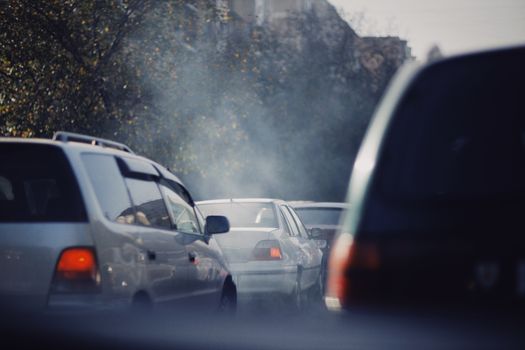
Why Your Car Needs an Air Purifier
Most drivers spend an average of one to two hours in their vehicles every day, often without realizing that the cabin air can be up to five times more polluted than the air outside. Exhaust fumes, pollen, dust, mold spores, pet dander, and volatile organic compounds (VOCs) from plastics and upholstery all circulate in a confined space with limited ventilation. A quality car air purifier can dramatically reduce these airborne contaminants, helping allergy sufferers breathe easier and protecting everyone from long-term exposure to harmful particles.
But not all purifiers are created equal. Some rely on simple carbon filters, while others use HEPA filtration, ionization, or photocatalytic oxidation. Choosing the right one depends on your specific concerns, your vehicle size, and your budget. This buyer's guide will walk you through every factor you need to consider before making a purchase.
Understand the Types of Car Air Purifiers
Before comparing specs, it helps to know the main technologies available on the market today.
HEPA Filter Purifiers
High-Efficiency Particulate Air (HEPA) filters capture 99.97% of particles as small as 0.3 microns, including dust, pollen, smoke, and bacteria. They are the gold standard for allergy sufferers and anyone concerned about particulate matter. The trade-off is that HEPA filters need periodic replacement and can be bulkier than other options.
Activated Carbon Filters
Activated carbon excels at adsorbing odors, gases, and VOCs rather than solid particles. Many premium purifiers combine a carbon layer with HEPA to tackle both particles and smells. If you frequently drive in heavy traffic or near industrial areas, a carbon stage is a must.
Ionizers and Electrostatic Precipitators
These devices release negatively charged ions that attach to airborne particles, causing them to clump and fall out of the air or stick to surfaces. They are quiet and require no filter replacement, but some produce trace amounts of ozone, which can irritate the lungs. Look for ozone-free models if you choose this type.
Photocatalytic Oxidation (PCO)
PCO uses UV light and a catalyst to break down pollutants into harmless compounds. It is effective against VOCs and microorganisms, but performance varies widely between products. It is often used as a supplementary stage rather than a standalone solution.
Negative Ion Generators
Similar to ionizers, these compact devices are popular for their low price and silent operation. However, their real-world cleaning effectiveness is limited in a moving vehicle with constant air exchange.
Key Factors to Consider Before Buying
1. Clean Air Delivery Rate (CADR)
CADR measures how quickly a purifier cleans a given volume of air, expressed in cubic feet per minute (CFM) or cubic meters per hour (m³/h). For a car cabin of roughly 100–150 cubic feet, you want a CADR of at least 20–30 CFM for noticeable improvement. Higher CADR means faster cleaning, which matters during short commutes.
2. Filter Type and Replacement Cost
A purifier is an investment, not just a one-time purchase. Check how often filters need replacing (typically every 3–6 months for HEPA) and how much replacements cost. Some brands lock you into proprietary filters, while others use standard sizes.
3. Power Source
Most car purifiers plug into a 12V cigarette lighter socket or USB port. Consider whether you want a model that continues running after the engine is off (using battery power) or one that only operates while driving. USB-powered models are convenient but may deliver less power.
4. Noise Level
Purifiers with high fan speeds can be distracting. Look for models rated under 40 dB on low settings. Some premium units offer a silent mode that still provides adequate filtration for a small cabin.
5. Size and Mounting
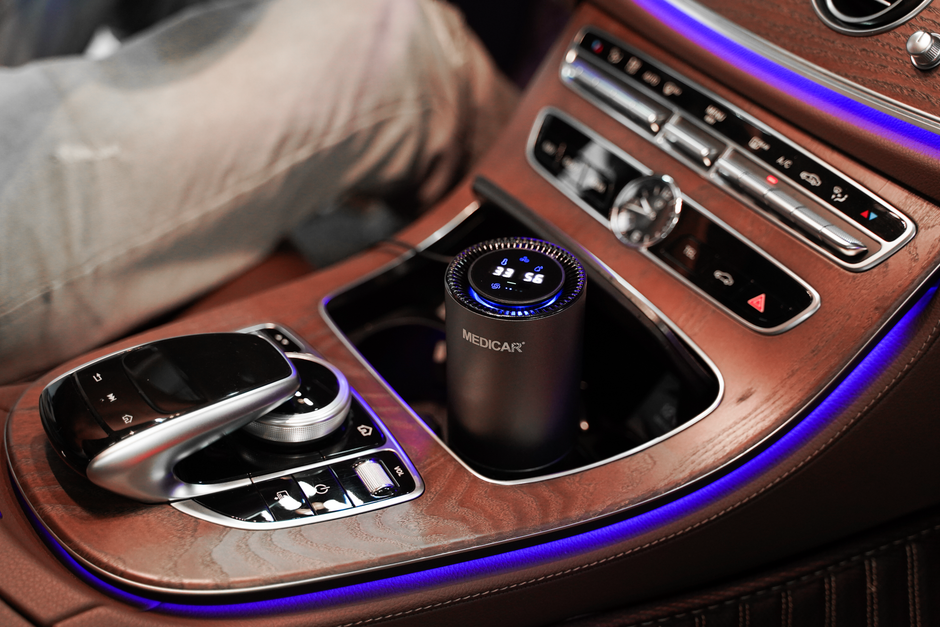
Your car's interior space is limited. Cup-holder models are popular, but they can obstruct controls. Visor-mounted or dashboard units save space but may rattle. Measure your available space before buying.
6. Ozone Emissions
The EPA recommends avoiding air purifiers that intentionally produce ozone. Check product specifications for ozone output and choose a unit that is CARB (California Air Resources Board) certified if possible.
Comparison Table: Popular Purifier Types
| Type | Best For | Filter Cost | Noise | Ozone Risk |
|---|---|---|---|---|
| HEPA + Carbon | Allergies, smoke, odors | Medium | Low–Medium | None |
| Ionizer | Dust, light odors | None | Very Low | Possible |
| PCO | VOCs, bacteria | Low | Low | Low |
| Negative Ion | Budget dust control | None | Very Low | Possible |
Practical Tips for Maximum Effectiveness
- Run it before you drive: Start the purifier a few minutes before entering the car to pre-clean the air.
- Keep windows closed: Purifiers work best in a sealed environment. On hot days, use recirculated AC instead of open windows.
- Replace filters on schedule: A clogged filter reduces airflow and cleaning efficiency. Set a reminder on your phone.
- Clean the unit regularly: Wipe down exterior surfaces and vacuum pre-filters to extend their life.
- Combine with cabin filter maintenance: Your car's built-in cabin air filter also needs changing every 12,000–15,000 miles. A purifier complements, not replaces, it.
- Position matters: Place the purifier near the center of the cabin so air circulates evenly. Avoid blocking its intake or exhaust vents.
Matching the Purifier to Your Needs
If you suffer from seasonal allergies, prioritize a HEPA model with a carbon pre-filter. If you drive in dense urban traffic and worry about exhaust fumes, look for high carbon content and a CADR above 30 CFM. For pet owners, a unit with a washable pre-filter will save money on replacements. And if you simply want to reduce stale odors from food or smoke, an ionizer or compact carbon unit may suffice.
Budget also plays a role. Entry-level ionizers cost $15–$30, while high-end HEPA purifiers range from $50 to $150. Remember that cheaper units often have lower CADR and shorter filter life, so calculate the total cost of ownership over two years before deciding.
Common Mistakes to Avoid
Many buyers focus only on price or aesthetics. Avoid these pitfalls:
- Buying a purifier that is too small for your vehicle size.
- Ignoring ozone emissions, especially for children or asthma sufferers.
- Forgetting to factor in filter replacement costs.
- Choosing a noisy model that you will end up turning off.
- Expecting a purifier to eliminate all odors instantly—it takes time and proper airflow.
Final Thoughts
A car air purifier is a worthwhile investment for anyone who spends significant time on the road, especially in polluted areas or during allergy season. By understanding the different technologies, checking CADR ratings, and considering long-term costs, you can choose a model that genuinely improves your cabin air quality. Prioritize filtration performance over flashy features, and maintain your device regularly. Your lungs—and your passengers—will thank you.
Tell us the channel and volume — we reply with models, prices and sample options.