
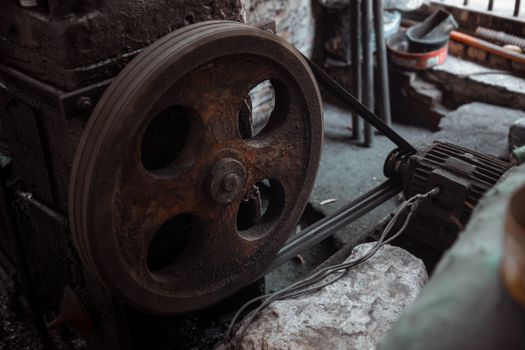

Why a Conveyor System Maintenance Checklist Matters
Conveyor systems are the circulatory system of modern material handling operations. Whether you run a distribution center, a manufacturing plant, or a mining operation, a single failed belt or seized roller can bring the entire workflow to a halt. Unplanned downtime costs facilities thousands of dollars per hour in lost productivity, emergency repairs, and missed shipping deadlines. A structured conveyor system maintenance checklist transforms maintenance from a reactive firefight into a predictable, manageable process.
For managers, the value goes beyond uptime. A documented checklist creates accountability, provides audit trails for safety compliance, extends equipment lifespan, and helps justify maintenance budgets with hard data. This guide walks you through building and implementing a comprehensive conveyor maintenance program, from daily walkthroughs to annual overhauls.
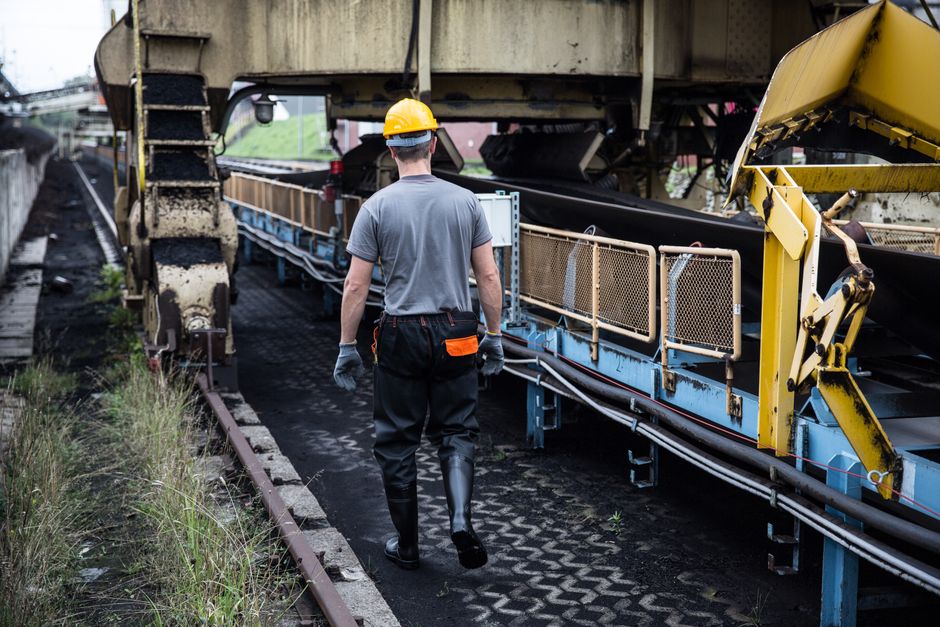
Types of Conveyor Maintenance: A Tiered Approach
Effective maintenance programs follow a tiered structure. Each tier has a different frequency, scope, and owner. Managers should understand all three so they can allocate labor and budget appropriately.
1. Preventive Maintenance (PM)
Preventive maintenance consists of scheduled inspections, lubrication, cleaning, and part replacement performed while the equipment is still functioning. PM tasks are driven by calendar intervals or running-hour meters. Examples include greasing bearings every 500 hours, checking belt tension monthly, and replacing worn rollers on a rotating schedule.
2. Predictive Maintenance (PdM)
Predictive maintenance uses condition-monitoring tools to detect early signs of failure. Vibration analysis, infrared thermography, ultrasonic inspection, and motor current signature analysis are common techniques. PdM lets you replace components based on actual condition rather than guesswork, reducing unnecessary part swaps while catching problems before they escalate.
3. Reactive Maintenance
Reactive maintenance is repair after failure. While every facility experiences some reactive work, a healthy program should keep it below 20% of total maintenance hours. If your team spends most of its time firefighting, your checklist and PM schedule need strengthening.
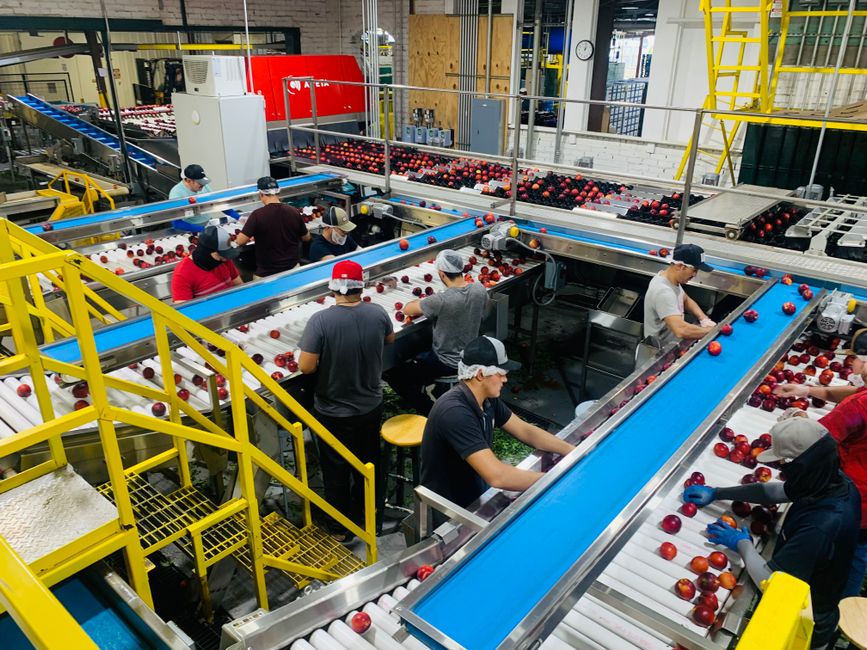
The Daily Conveyor Walkthrough Checklist
Daily inspections take only 10–15 minutes per line but catch the majority of emerging issues. Assign the walkthrough to operators or maintenance technicians at the start of each shift.
- Listen for unusual noise: Squealing, grinding, or rhythmic thumping often indicates bearing wear, misalignment, or debris.
- Check belt tracking: The belt should run centered on the pulleys. Edge fraying or rubbing on the frame signals misalignment.
- Inspect for spills and buildup: Material accumulation under the belt can damage return rollers and create safety hazards.
- Verify emergency stops: Test pull cords and e-stops to confirm they function correctly.
- Look for loose guards and fasteners: Vibration loosens bolts over time; a missing guard is an immediate safety issue.
- Observe motor and gearbox temperature: Touch-safe checks or thermal guns can reveal overheating.
- Confirm proper product flow: Jams, misaligned packages, or photo-eye faults should be logged immediately.
Weekly and Monthly Maintenance Tasks
Weekly and monthly tasks go deeper than a visual walkthrough. They typically require lockout/tagout (LOTO) procedures and trained technicians.
Weekly Checklist
- Lubricate drive chains and sprockets according to the manufacturer's schedule.
- Inspect belt splices and fasteners for wear or separation.
- Clean photo-eyes, proximity sensors, and reflectors.
- Check gearbox oil levels and look for leaks.
- Verify that all warning labels and signage are legible.
Monthly Checklist
- Measure belt tension and adjust take-up units as needed.
- Inspect pulleys for wear, buildup, or lagging damage.
- Check motor mounts and coupling alignment.
- Test safety interlocks and pull-cord switches across the full line.
- Review the previous month's work orders for recurring faults.
Quarterly and Annual Deep Maintenance
Quarterly and annual maintenance windows allow for thorough inspection and component replacement that cannot be done during production hours.
| Interval | Key Tasks | Typical Owner |
|---|---|---|
| Quarterly | Bearing vibration analysis, gearbox oil sampling, roller rotation check, frame bolt torque verification | Maintenance technician |
| Semi-Annual | Belt thickness measurement, pulley lagging inspection, electrical panel thermography | Reliability engineer |
| Annual | Full belt inspection and replacement planning, motor insulation testing, structural weld inspection, control system audit | Maintenance manager and OEM |
Building a Conveyor Maintenance Checklist That Works
A checklist is only useful if it is used consistently. Follow these best practices to create one your team will actually follow.
Involve the People Who Run the Equipment
Operators and technicians know where problems hide. Include them when drafting the checklist so tasks reflect real conditions rather than theoretical ones. Ownership drives compliance.
Be Specific and Actionable
Replace vague items like "check belt" with precise instructions: "Measure belt sag at the midpoint between idlers; adjust take-up if sag exceeds 2% of idler spacing." Specific tasks produce consistent results across shifts.
Use Digital Tools
Mobile CMMS (computerized maintenance management system) apps let technicians check off tasks, attach photos, and generate work orders on the spot. Digital records make trend analysis possible and simplify audits.
Define Escalation Paths
Every checklist should state what to do when a fault is found. Minor issues can be logged for the next PM window; critical findings like cracked pulleys or exposed wiring require immediate shutdown and escalation.
Key Performance Indicators for Conveyor Maintenance
Managers should track metrics that reveal whether the maintenance program is delivering results. Useful KPIs include:
- Mean Time Between Failures (MTBF): Rising MTBF indicates improving reliability.
- Mean Time To Repair (MTTR): Falling MTTR shows better response and preparedness.
- PM Compliance Rate: Percentage of scheduled PM tasks completed on time; target above 90%.
- Unplanned Downtime: Hours lost to conveyor failures per month.
- Maintenance Cost per Ton Handled: Normalizes spending against throughput.
Safety Considerations in Conveyor Maintenance
Conveyors are among the most hazardous equipment in a facility. Managers must enforce strict safety protocols during any maintenance activity.
- Always apply lockout/tagout before reaching into or near moving parts.
- Never perform maintenance on an energized conveyor, even for "quick" tasks.
- Ensure guards are reinstalled and tested before restarting the line.
- Train technicians on nip-point hazards, pinch points, and stored energy in tensioned belts.
- Keep maintenance records that demonstrate compliance with OSHA and local regulations.
Common Conveyor Problems and Their Root Causes
Understanding typical failure modes helps managers prioritize inspections.
| Problem | Likely Cause | Preventive Action |
|---|---|---|
| Belt mistracking | Misaligned pulleys, uneven loading, worn idlers | Align pulleys, correct loading chute, replace idlers |
| Belt slippage | Insufficient tension, worn lagging, overload | Adjust take-up, replace lagging, control feed rate |
| Bearing failure | Poor lubrication, contamination, misalignment | Follow lube schedule, seal bearings, align shafts |
| Motor overheating | Overload, ventilation blockage, voltage imbalance | Clean cooling fins, check load, verify power quality |
| Excessive noise | Loose fasteners, worn chain, debris | Torque bolts, replace chain, clean regularly |
Training and Accountability
Even the best checklist fails without trained personnel. Establish a training matrix that covers LOTO, conveyor components, lubrication practices, and emergency response. Rotate technicians through different conveyor types so knowledge is not siloed. Managers should review completed checklists weekly and address missed tasks immediately—consistency from leadership is the strongest predictor of program success.
Conclusion: Turn Maintenance into a Competitive Advantage
A conveyor system maintenance checklist is more than a compliance document. It is a strategic tool that protects throughput, controls costs, and keeps workers safe. By combining daily inspections, scheduled PM, predictive technologies, and clear KPIs, managers can shift from reacting to failures to preventing them. Start with a simple daily walkthrough, expand into weekly and monthly tasks, and refine the program using data. Your conveyors will run longer, your team will work safer, and your operation will deliver the reliability your customers expect.