
What Is a Material Handling Equipment Maintenance Schedule?
A material handling equipment maintenance schedule is a documented plan that outlines when, how, and by whom each piece of equipment—such as forklifts, pallet jacks, conveyors, reach trucks, and cranes—should be inspected, serviced, and repaired. It converts manufacturer recommendations, safety regulations, and your own operating data into a repeatable calendar of tasks.
A good schedule goes beyond a simple checklist. It assigns responsibilities, defines inspection intervals, records findings, and triggers corrective action before small faults become costly breakdowns. In warehouses and manufacturing plants, this document is often the difference between smooth daily operations and unplanned downtime that disrupts the entire supply chain.
Because material handling equipment varies widely in type, duty cycle, and environment, no single schedule fits every facility. Instead, treat the schedule as a living framework that you adjust as your fleet, workload, and safety requirements evolve.
Why Is a Maintenance Schedule Important for Material Handling Equipment?
Material handling equipment operates under constant load, frequent movement, and exposure to dust, moisture, and temperature changes. Without a structured maintenance schedule, components wear unevenly, hydraulic systems leak, and brakes or steering mechanisms degrade silently. These issues create safety hazards for operators and nearby workers.
Beyond safety, a maintenance schedule protects your investment. Reactive repairs are typically far more expensive than planned service because they involve emergency labor, expedited parts, and lost productivity. Regular maintenance also extends equipment lifespan, improves energy efficiency, and helps you comply with OSHA and other regulatory inspections.
Finally, a documented schedule supports accountability. When tasks are tracked, managers can spot recurring problems, justify replacement decisions, and demonstrate due diligence during audits or insurance reviews.
What Should Be Included in a Maintenance Schedule?
An effective schedule covers daily, weekly, monthly, quarterly, and annual tasks. Daily checks are usually performed by operators before each shift, while deeper inspections and repairs are handled by trained technicians. The schedule should list the specific equipment, the task, the interval, the responsible person, and the required tools or parts.
Key items to include:
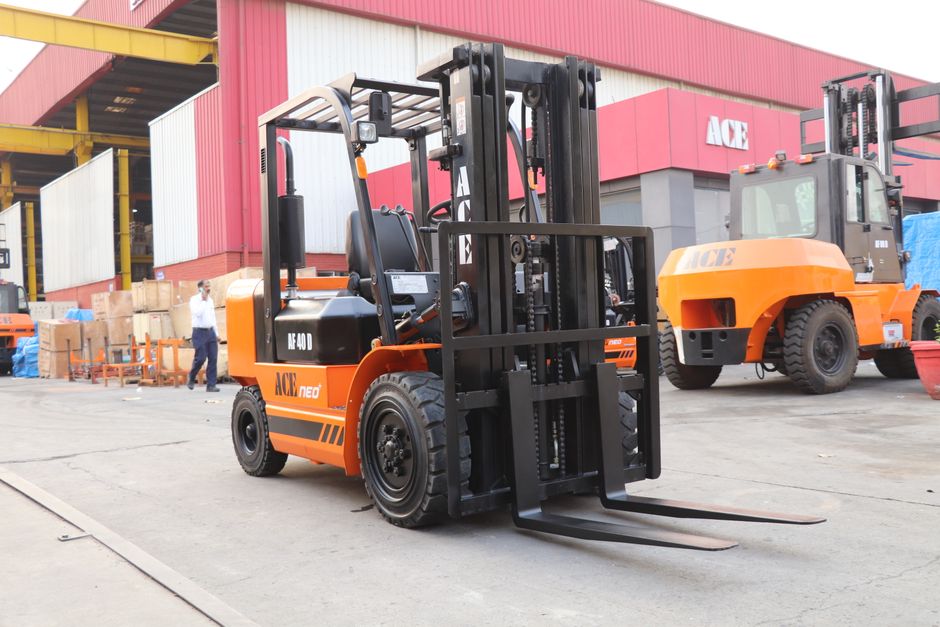
- Pre-shift visual inspections of forks, tires, lights, horns, and fluid levels
- Hydraulic system checks for leaks, pressure, and hose condition
- Battery watering, charging, and terminal cleaning for electric equipment
- Brake, steering, and mast lubrication
- Conveyor belt tension, roller alignment, and motor inspection
- Load chain, hook, and wire rope inspection for cranes and hoists
- Record-keeping fields for date, findings, and corrective actions
Include a section for unscheduled maintenance triggered by incidents, abnormal noise, or operator reports. This ensures that unexpected issues are captured and followed up rather than forgotten.
How Often Should Material Handling Equipment Be Inspected?
Inspection frequency depends on equipment type, usage intensity, and manufacturer guidance. As a general baseline, powered industrial trucks should receive pre-shift checks every day they are used, with more thorough inspections every 125 to 250 operating hours. Cranes and hoists often require frequent inspections ranging from daily to monthly, plus periodic inspections at one- to twelve-month intervals based on service class.
Conveyors in high-throughput facilities may need weekly belt and roller checks, while pallet jacks used intermittently might only require monthly service. Environmental factors matter too: equipment in cold storage, dusty foundries, or corrosive areas needs shorter intervals.
The best approach is to start with manufacturer recommendations, then adjust based on your own failure history. If a component fails repeatedly between scheduled services, shorten the interval or investigate the root cause.
Who Should Perform Maintenance Tasks?
Maintenance responsibilities are usually split between operators and technicians. Operators perform pre-use inspections, clean equipment, and report abnormalities. They are your first line of defense because they notice changes in performance, noise, or handling.
Qualified technicians handle lubrication, hydraulic repairs, electrical diagnostics, and structural inspections. For specialized equipment like cranes or aerial lifts, only trained and certified personnel should perform inspections and repairs. Some facilities outsource complex work to authorized dealers or service providers.
Regardless of who performs the task, the schedule must clearly assign ownership. Ambiguity leads to skipped inspections and finger-pointing when something fails.
How Do You Create an Effective Maintenance Schedule?
Start by building an equipment inventory with make, model, serial number, capacity, and age. Gather manufacturer manuals and note recommended service intervals. Then assess your operating environment and duty cycles to adjust those intervals realistically.
Next, choose a tracking method. Small fleets can use paper logs or spreadsheets, while larger operations benefit from a computerized maintenance management system (CMMS) that sends reminders, stores history, and generates reports. Define clear task descriptions and train everyone involved.
Finally, review performance monthly. Track metrics such as downtime hours, repair costs, and inspection completion rates. Use that data to refine intervals and improve the schedule over time.
What Are Common Mistakes in Equipment Maintenance?
One common mistake is treating maintenance as reactive rather than preventive. Waiting for equipment to fail before servicing it guarantees higher costs and more downtime. Another mistake is using a generic schedule that ignores equipment-specific requirements or actual usage patterns.
Poor record-keeping is another frequent problem. Without accurate logs, you cannot identify trends, prove compliance, or plan budgets. Skipping operator training also undermines the schedule, because untrained staff may miss warning signs or perform inspections incorrectly.
Understaffing and lack of spare parts inventory can cause delays even when the schedule is well designed. Address these gaps by cross-training staff and keeping critical spares on hand.
How Can Technology Improve Maintenance Scheduling?
Technology makes maintenance scheduling more accurate and less labor-intensive. A CMMS can automate work orders, track parts inventory, and alert managers when inspections are due. Mobile apps let operators complete digital checklists and upload photos of issues in real time.
Telematics and IoT sensors on forklifts and conveyors can monitor hours, fault codes, battery health, and vibration. This condition-based approach allows you to service equipment exactly when needed, rather than on a fixed calendar. The result is less unnecessary maintenance and fewer surprise failures.
Even simple tools help. Barcode scanning for equipment identification and cloud-based logs improve traceability and make audits far easier.
What Are the Key Benefits of Following a Maintenance Schedule?
Following a maintenance schedule delivers measurable benefits across safety, cost, and productivity. It reduces accident risk, extends equipment life, lowers repair expenses, and minimizes unplanned downtime. It also supports regulatory compliance and improves operator confidence.
Over time, the data collected through the schedule helps you make smarter capital decisions. You will know which units are reliable and which are nearing the end of their economic life. That insight allows you to replace equipment proactively instead of during a crisis.
In short, a well-executed maintenance schedule turns material handling equipment from a source of uncertainty into a dependable asset that supports your entire operation.