
1. Automation and Robotics Take Center Stage
In 2024, the material handling equipment industry has seen an unprecedented surge in automation and robotics adoption. Warehouses and distribution centers are increasingly turning to autonomous mobile robots (AMRs) and automated guided vehicles (AGVs) to streamline operations. This shift is driven by labor shortages, rising e-commerce demands, and the need for greater efficiency.
Major manufacturers have rolled out next-generation AMRs equipped with advanced AI and machine vision, enabling them to navigate complex environments and handle diverse payloads. These robots are no longer limited to repetitive tasks; they now collaborate with human workers, improving safety and productivity. According to industry reports, the global AMR market is projected to grow at a CAGR of over 20% through 2030.
Companies that have embraced automation are reporting significant ROI, with reduced operational costs and faster order fulfillment. As technology matures, expect even more sophisticated solutions, including swarm robotics and predictive maintenance, to become mainstream.
2. Electric and Hydrogen-Powered Forklifts Gain Momentum
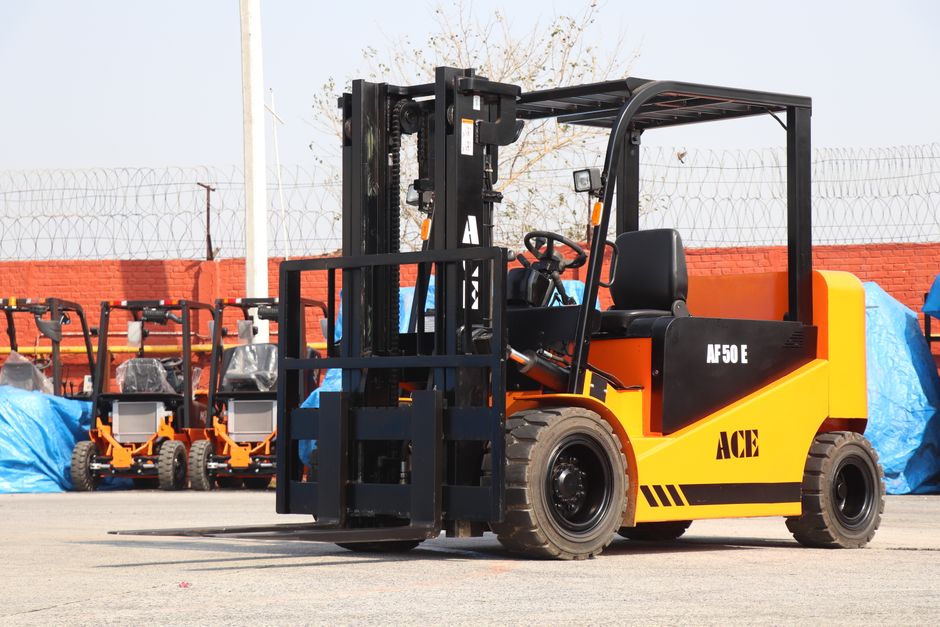
The push for sustainability has accelerated the adoption of electric and hydrogen fuel cell forklifts in 2024. Traditional internal combustion engines are being phased out in favor of cleaner alternatives, especially in indoor applications where emissions are a concern. Lithium-ion battery technology has improved, offering longer runtimes and faster charging, making electric forklifts more viable for heavy-duty tasks.
Hydrogen fuel cell forklifts are also gaining traction, particularly in large-scale operations that require rapid refueling and continuous uptime. Companies like Toyota and Plug Power have expanded their hydrogen offerings, and several major retailers have committed to converting their fleets. This trend aligns with global carbon reduction goals and corporate sustainability initiatives.
Despite higher upfront costs, the total cost of ownership for electric and hydrogen forklifts is becoming more competitive due to lower maintenance and energy costs. Government incentives and stricter emission regulations are further driving this transition.
3. Telematics and IoT Revolutionize Fleet Management
Telematics and IoT (Internet of Things) are transforming how businesses manage their material handling fleets. In 2024, more companies are integrating telematics systems to monitor equipment performance, track utilization, and schedule maintenance proactively. These systems provide real-time data on location, fuel consumption, and operator behavior, enabling data-driven decisions.
Advanced telematics solutions now offer predictive analytics, alerting managers to potential failures before they occur, thus minimizing downtime. Additionally, they help optimize routes and reduce energy consumption. The integration of IoT sensors with warehouse management systems (WMS) creates a seamless flow of information, enhancing overall supply chain visibility.
As 5G connectivity becomes more widespread, the capabilities of telematics will expand, supporting faster data transmission and more sophisticated applications. This technology is no longer a luxury but a necessity for competitive operations.
4. Safety Innovations: Collaborative Robots and Smart Sensors
Safety remains a top priority in material handling, and 2024 has brought notable innovations. Collaborative robots (cobots) designed to work alongside humans are equipped with advanced sensors and force-limiting technology to prevent accidents. These cobots are increasingly used for tasks like palletizing and order picking, reducing ergonomic risks.
Smart sensors and AI-powered cameras are being deployed to monitor workplace safety in real-time. They can detect unsafe behaviors, such as speeding forklifts or improper lifting, and trigger alerts. Some systems even automatically slow down equipment when pedestrians are detected.
Regulatory bodies are also updating standards to keep pace with these technologies. OSHA and ANSI have released new guidelines for automated equipment, emphasizing risk assessments and operator training. Companies that invest in safety innovations not only protect their workers but also reduce costly downtime and insurance premiums.
5. Sustainable Practices Drive Equipment Design
Sustainability is no longer an afterthought; it's a core driver of material handling equipment design in 2024. Manufacturers are using recycled materials, designing for energy efficiency, and extending product lifecycles. For example, new forklift models feature modular components that are easier to repair and recycle.
Warehouse operators are also adopting green practices, such as using solar-powered charging stations and optimizing layouts to reduce travel distances. The circular economy concept is gaining traction, with equipment leasing and remanufacturing programs becoming more popular.
These sustainable practices not only benefit the environment but also appeal to eco-conscious customers and investors. As regulations tighten, companies that prioritize sustainability will have a competitive edge.
6. Supply Chain Resilience and Localized Manufacturing
The COVID-19 pandemic exposed vulnerabilities in global supply chains, and in 2024, the material handling industry is responding by building resilience. Many companies are diversifying suppliers and increasing local manufacturing to reduce dependence on distant sources. This trend is particularly evident in the production of critical components like batteries and semiconductors.
Regional trade agreements and government incentives are encouraging reshoring. For instance, the U.S. Inflation Reduction Act has spurred investment in domestic battery production, benefiting electric forklift manufacturers. Similarly, European countries are investing in local hydrogen infrastructure.
This shift towards localized manufacturing not only shortens lead times but also reduces carbon footprints associated with transportation. It also creates jobs and strengthens local economies.
7. Integration of AI for Predictive Maintenance and Inventory Optimization
Artificial intelligence (AI) is making significant inroads into material handling. In 2024, AI-powered predictive maintenance is helping companies avoid unplanned equipment failures by analyzing sensor data and predicting when parts need replacement. This reduces downtime and extends equipment lifespan.
AI is also being used for inventory optimization, with machine learning algorithms analyzing historical data to forecast demand and optimize stock levels. This leads to more efficient use of storage space and reduces carrying costs. Some advanced systems can even autonomously reorder materials when supplies run low.
The integration of AI with robotics and IoT creates a smart, self-optimizing warehouse ecosystem. Early adopters are reporting improved accuracy and throughput, setting new benchmarks for the industry.
8. Market Growth and Economic Outlook
The global material handling equipment market is projected to reach $XX billion by 2027, growing at a steady pace. In 2024, key growth drivers include e-commerce expansion, manufacturing rebound, and infrastructure investments. Emerging economies in Asia-Pacific and Latin America are expected to see the fastest growth.
However, challenges such as raw material price volatility and skilled labor shortages persist. Companies are addressing these by investing in training programs and adopting flexible automation. The outlook remains positive, with technological innovation and sustainability shaping the future.
Staying informed about these trends is crucial for businesses looking to maintain a competitive edge. As we move forward, the material handling industry will continue to evolve, driven by automation, electrification, and digitalization.