
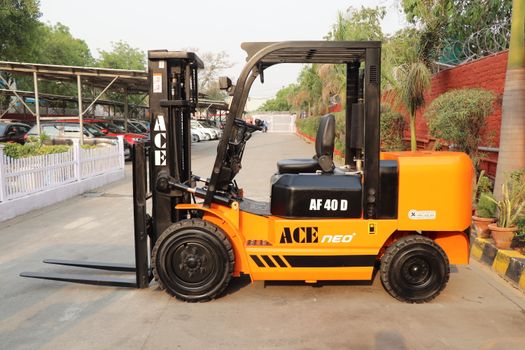
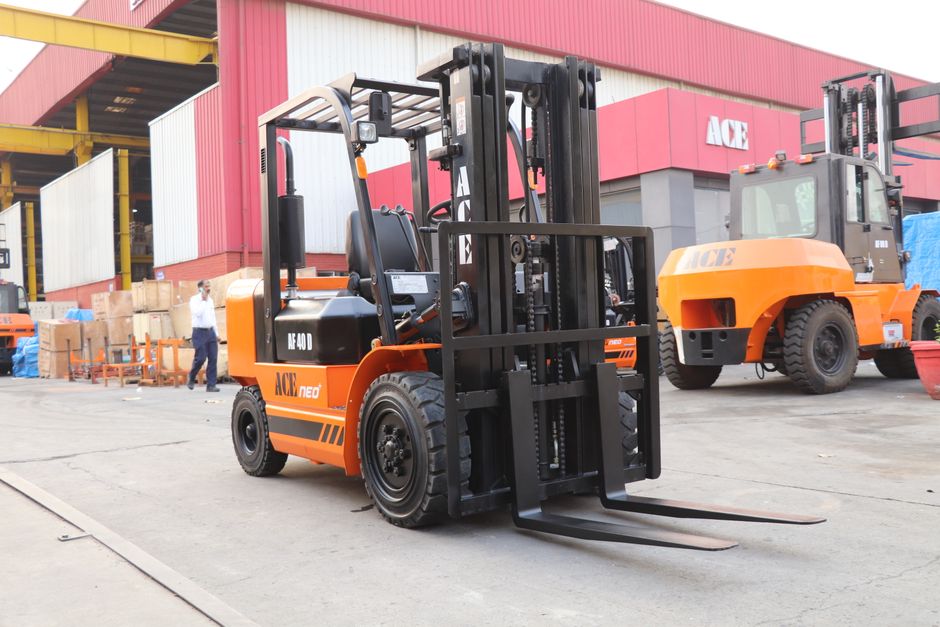
Why Material Handling Equipment Rental Is Booming
Warehouses, distribution centers, and manufacturing plants are under constant pressure to move goods faster and cheaper. Buying every forklift, pallet jack, and conveyor system outright is not always practical — especially when demand fluctuates. That is why material handling equipment rental has become a strategic tool for operations managers who need flexibility without draining capital budgets.
But rental pricing can feel opaque. Two quotes for the same forklift can differ by hundreds of dollars per month. This guide breaks down exactly what drives rental costs, how to compare quotes, and how to negotiate the best possible deal.
What Counts as Material Handling Equipment?
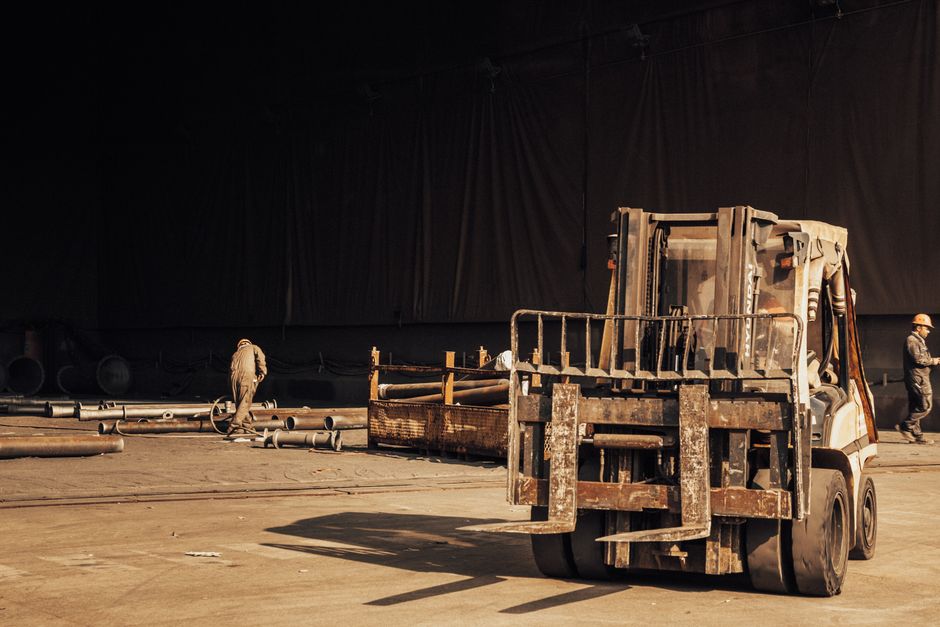
Before diving into pricing, it helps to define the category. Material handling equipment (MHE) covers any machinery used to move, store, control, and protect goods throughout the supply chain. Common rental categories include:
- Powered industrial trucks: forklifts, reach trucks, order pickers, pallet jacks
- Conveyor systems: belt, roller, and gravity conveyors
- Lifting equipment: scissor lifts, boom lifts, hoists, cranes
- Storage and staging: racking, mezzanines, pallet positioners
- Automation: AGVs, AMRs, automated storage and retrieval systems
Each category has a different cost structure. A manual pallet jack rents for a few dollars a day, while an automated guided vehicle can cost thousands per month.
The Core Cost Drivers of MHE Rental
1. Equipment Type and Capacity
The single biggest factor is the machine itself. A 5,000 lb capacity electric forklift costs more to rent than a 3,000 lb model because of battery size, motor power, and maintenance complexity. Similarly, a reach truck with a 30-foot lift height commands a premium over a standard sit-down counterbalance truck.
2. Rental Duration
Rental companies price on a sliding scale. Daily rates are highest per unit of time, weekly rates offer a discount, and monthly rates are the most economical. As a rule of thumb:
| Duration | Relative Cost per Day |
|---|---|
| Daily | 100% |
| Weekly | 40–50% |
| Monthly | 15–25% |
| Annual / lease | 8–12% |
If you know a project will last three weeks, booking the monthly rate is often cheaper than three weekly rentals.
3. Equipment Age and Condition
Late-model equipment with low hours rents for a premium. Older units are cheaper but may come with higher downtime risk. Ask the rental company for the unit's hour meter reading and service history before signing.
4. Attachments and Accessories
Forks, clamps, rotators, side shifters, and man baskets are usually priced as add-ons. A single attachment can add 10–20% to the base rental rate.
5. Delivery, Pickup, and Site Conditions
Transportation is a major hidden cost. If your facility is more than 30 miles from the rental depot, expect a delivery surcharge. Difficult access — tight docks, gravel yards, or upper-floor placements — can push freight costs higher.
6. Maintenance and Damage Waivers
Most rentals include routine maintenance, but damage waivers are optional and typically cost 8–15% of the rental fee. Weigh the waiver against your insurance deductible and operator training levels.
Typical Rental Price Ranges
Prices vary by region and market conditions, but the following ranges give a useful benchmark for budgeting:
| Equipment | Daily | Weekly | Monthly |
|---|---|---|---|
| Manual pallet jack | $25–$45 | $75–$120 | $180–$300 |
| Electric pallet jack | $60–$110 | $180–$320 | $450–$800 |
| 3,000 lb electric forklift | $150–$250 | $450–$750 | $1,100–$1,800 |
| 5,000 lb electric forklift | $200–$350 | $600–$1,000 | $1,500–$2,500 |
| Reach truck | $250–$400 | $750–$1,200 | $1,800–$3,000 |
| Scissor lift (19 ft) | $120–$220 | $350–$650 | $900–$1,600 |
These figures exclude delivery, fuel or charging costs, and damage waivers.
Rental vs. Lease vs. Purchase: Which Wins?
Rental makes sense when:
- Demand is seasonal or project-based
- You need equipment for less than 12 months
- You want to test a model before committing to a fleet purchase
- Capital is better deployed elsewhere
Leasing makes sense when you need equipment for 2–5 years and want fixed monthly payments with a path to ownership.
Purchasing wins when utilization exceeds 1,500 hours per year and you have the maintenance infrastructure to support it.
How to Reduce Material Handling Equipment Rental Costs
Negotiate the Duration Tier
Always ask what the monthly rate would be, even if you only need three weeks. Many vendors will apply the monthly rate if you commit to a full month.
Bundle Multiple Units
Renting five forklifts instead of one gives you leverage. Volume discounts of 10–20% are common.
Pick Up and Return Yourself
If you have a truck and dock, self-transport can eliminate $150–$400 in delivery fees per unit.
Skip the Damage Waiver If Insured
If your general liability policy already covers rented equipment, the waiver may be redundant. Verify with your insurer first.
Schedule Around Peak Season
Rental rates spike during Q4 peak season and harvest periods. Booking in advance locks in lower rates.
Hidden Fees to Watch For
- Fuel or charging fees: Some vendors charge for battery charging or propane refills
- Excess hour charges: Daily rates often assume 8 hours; overtime is billed hourly
- Cleaning fees: Return the unit clean or pay a surcharge
- Late return penalties: Usually 1.5x the daily rate
- Environmental fees: Common on diesel and propane equipment
Questions to Ask Before Signing
Protect your budget by getting clear answers to these questions:
- Is maintenance included, and what is the response time for repairs?
- What is the replacement policy if the unit goes down?
- Are there mileage or hour limits?
- What is the total cost with delivery, waivers, and fees?
- Can the rental be extended at the same rate?
The Bottom Line
Material handling equipment rental costs are driven by equipment type, duration, condition, attachments, and logistics. By understanding these levers, you can benchmark quotes accurately and negotiate from a position of knowledge. The cheapest quote is not always the best deal — factor in uptime guarantees, maintenance response, and total landed cost before you commit.
Whether you need a single pallet jack for a week or a fleet of reach trucks for a peak season, a clear grasp of rental economics will keep your operation moving and your budget intact.