
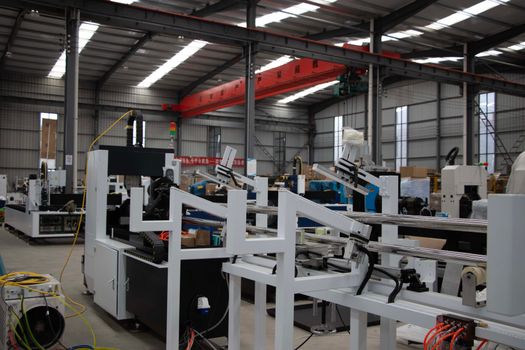
1. Autonomous Mobile Robots (AMRs) Take Center Stage
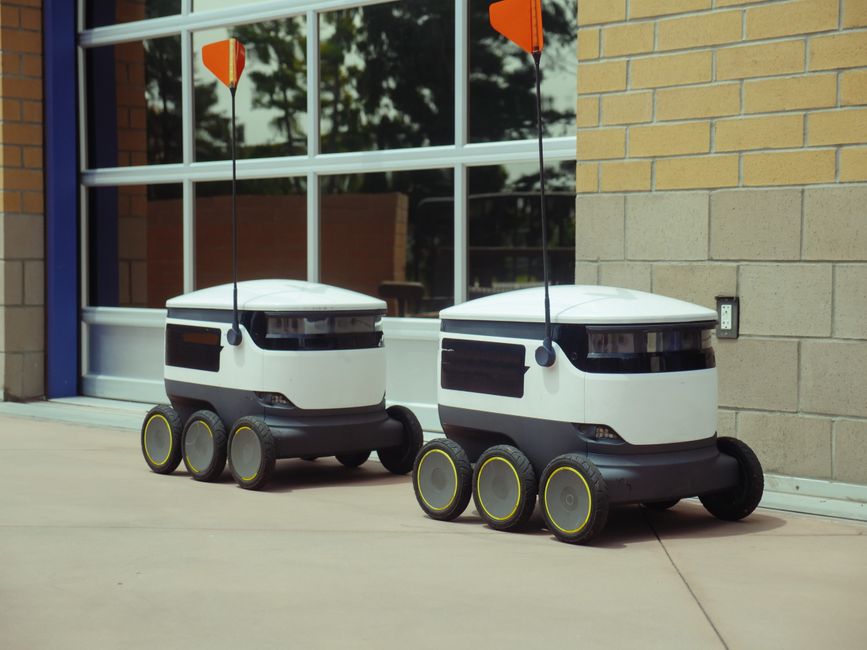
Autonomous mobile robots, or AMRs, have moved from pilot projects to mainstream deployments throughout 2024. Unlike their automated guided vehicle (AGV) predecessors, AMRs navigate dynamic warehouse environments using onboard sensors, LiDAR, and simultaneous localization and mapping (SLAM) technology. This means they can reroute around obstacles, pallets, and people without requiring magnetic tape or fixed infrastructure.
The result is a dramatic reduction in installation cost and time. Facilities that once needed weeks of downtime to lay guide paths can now deploy a fleet of AMRs in days. For material handling operations, this flexibility is a game changer, especially for e-commerce fulfillment centers where order profiles change seasonally.
Leading vendors are also integrating AMRs with existing WMS and WES platforms, allowing real-time task allocation. As labor shortages persist, AMRs increasingly handle repetitive transport of totes, carts, and pallets, freeing human workers for higher-value tasks such as exception handling and quality control.
2. AI-Powered Warehouse Management Systems
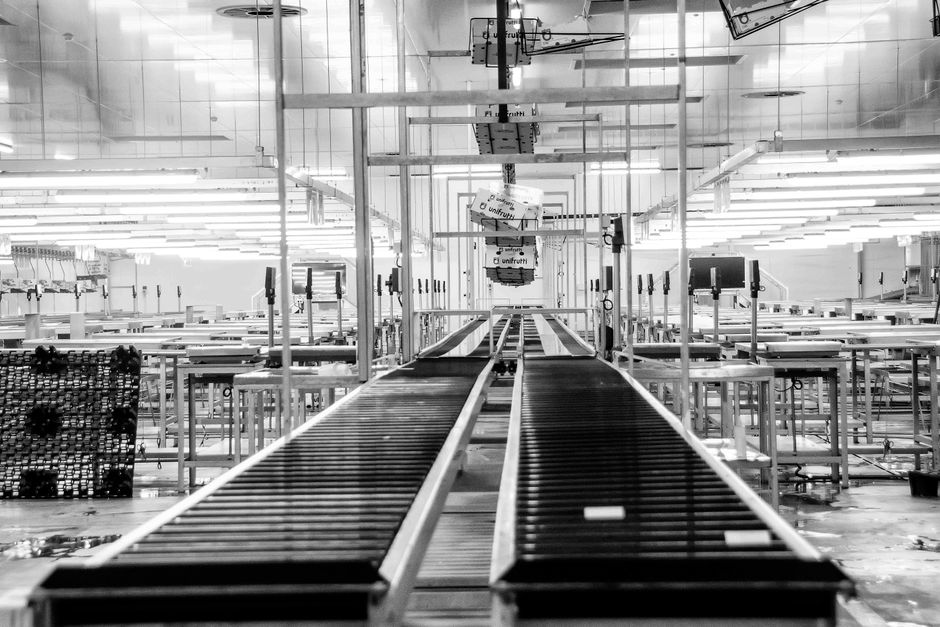
Artificial intelligence has become embedded in warehouse management systems rather than a bolt-on feature. In 2024, AI algorithms forecast demand, optimize slotting, and dynamically balance workloads across zones. Machine learning models analyze historical order data, seasonality, and even weather patterns to predict inventory movement with impressive accuracy.
These systems also enable predictive maintenance for conveyors, sorters, and forklifts. By monitoring vibration, temperature, and motor current, AI can flag a failing bearing before it causes an unplanned downtime event. For material handling managers, this shifts maintenance from reactive to proactive.
Another trend is computer vision used for damage detection and cycle counting. Cameras mounted on forklifts or overhead gantries can identify crushed cartons, mislabeled pallets, or incorrect quantities without human intervention. The combination of AI and vision is making warehouses more self-aware and self-correcting.
3. Goods-to-Person (GTP) Systems Go Mainstream
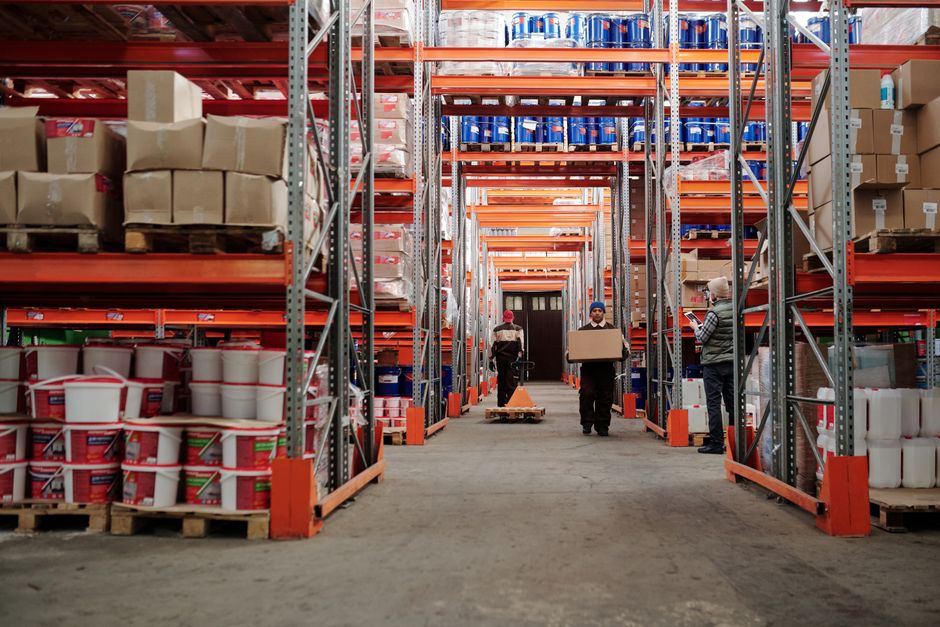
Goods-to-person automation, where robots or shuttles bring inventory to stationary pickers, continues to expand beyond large enterprises. In 2024, modular GTP solutions have become affordable for mid-sized warehouses. These systems typically use a grid of bins or totes, robotic shuttles, and ergonomic pick stations.
The core benefit is throughput: pickers no longer walk aisles, which can account for up to 70% of their time. Instead, they stay at a station and pick from presented totes. This reduces fatigue, improves accuracy, and can double or triple picks per hour. For material handling equipment suppliers, this trend drives demand for conveyors, lifts, and sortation modules that feed the GTP grid.
Vendors are also offering hybrid models, where GTP works alongside manual picking for slow movers. This pragmatic approach helps warehouses scale automation gradually without a full facility redesign.
4. Collaborative Robots for Palletizing and Depalletizing
Collaborative robots, or cobots, are increasingly used for palletizing and depalletizing tasks. Unlike traditional industrial robots, cobots are designed to work safely alongside humans, with force-limiting sensors and rounded joints. This makes them ideal for mixed pallet building, where product sizes and patterns vary.
In 2024, cobot palletizers have become faster and more capable, with vision systems that identify box dimensions and optimize stacking patterns on the fly. They can handle cases, bags, and even irregular items. For material handling operations, this reduces the ergonomic risk of repetitive lifting and addresses labor gaps in shipping departments.
Setup is also simpler: many cobots can be programmed by demonstration, where a worker guides the arm through the motion. This lowers the barrier to entry for small and mid-sized warehouses that lack robotics engineers.
5. Internet of Things (IoT) and Real-Time Visibility
IoT sensors are now embedded in almost every piece of material handling equipment, from forklifts and pallet jacks to conveyors and dock doors. These sensors stream data on location, utilization, battery health, and impact events to a central dashboard. In 2024, the focus has shifted from data collection to actionable insights.
Real-time visibility allows managers to see exactly where a pallet is, which forklift is idle, and which dock door is backed up. Integration with yard management systems means trailers can be prioritized based on load readiness. This level of transparency reduces dwell time and improves asset utilization.
IoT also enables condition-based maintenance for batteries and motors. For example, a forklift battery that is charging inefficiently can be flagged for replacement before it fails mid-shift. The result is higher uptime and lower total cost of ownership.
6. Sustainable Material Handling and Energy Efficiency
Sustainability has become a board-level priority, and material handling equipment is a major focus. In 2024, warehouses are adopting lithium-ion batteries over lead-acid, which charge faster, last longer, and require no watering. This reduces energy consumption and eliminates hazardous waste.
Regenerative braking on forklifts and conveyors captures energy that would otherwise be lost as heat. Solar panels on warehouse roofs power charging stations, and energy management software schedules high-draw equipment during off-peak hours. For material handling managers, these initiatives lower operating costs while meeting corporate ESG goals.
Another trend is the use of recycled and recyclable packaging materials, which affects how equipment handles cases and pallets. Automation must adapt to lighter, thinner, or more slippery packaging, driving innovation in grippers, vacuum lifts, and conveyor belts.
7. Micro-Fulfillment and Urban Warehousing
The rise of micro-fulfillment centers (MFCs) is reshaping material handling in urban areas. These compact facilities, often located in parking garages or retail backrooms, use high-density storage and automated picking to fulfill online orders within hours. In 2024, MFCs are increasingly automated with AMRs, shuttles, and vertical lift modules.
Space is at a premium, so equipment must be compact and modular. Vertical lift modules (VLMs) and carousels bring goods to pickers in a small footprint. AMRs move totes between stations without wide aisles. This trend is driven by consumer demand for same-day delivery and by retailers wanting to use existing real estate.
For material handling equipment providers, MFCs represent a new market with specific needs: quiet operation, low vibration, and easy integration with last-mile delivery systems.
8. Digital Twins for Warehouse Design and Simulation
Digital twin technology, which creates a virtual replica of a warehouse, is now used not only for design but for ongoing operations. In 2024, warehouse managers use digital twins to simulate layout changes, test new automation, and train staff without disrupting live operations.
For material handling, digital twins help optimize forklift traffic flows, identify bottlenecks, and validate conveyor speeds. They also support predictive analytics: if a digital twin shows a sorter will exceed capacity during peak, managers can plan ahead. This reduces risk and capital expenditure.
As computing power becomes cheaper, digital twins are accessible to mid-sized warehouses, not just large enterprises. This democratization is accelerating automation adoption across the industry.
9. Voice and Augmented Reality Picking
Voice-directed picking and augmented reality (AR) are enhancing manual material handling tasks. Voice systems guide workers through picks, confirm locations, and update inventory in real time, hands-free. AR smart glasses overlay pick locations, quantities, and optimal routes onto the worker's field of view.
In 2024, these technologies are more accurate and affordable. They reduce training time and error rates, especially for temporary or seasonal workers. When integrated with AMRs and GTP systems, they create a hybrid workflow where humans and robots collaborate seamlessly.
For material handling equipment, this means new peripherals: wearable scanners, smart glasses, and headsets that connect to the WMS. The trend is toward a more connected, data-driven workforce.
10. Cybersecurity for Automated Material Handling
As warehouses become more connected, cybersecurity becomes a critical concern. In 2024, automated material handling systems are targets for ransomware and data breaches. A single compromised robot or conveyor controller can halt operations.
Vendors are responding with secure-by-design principles, network segmentation, and regular firmware updates. Warehouse managers are implementing zero-trust architectures and monitoring for anomalous behavior. For material handling equipment, this means built-in encryption, authentication, and audit logs.
The trend is clear: automation without security is a liability. Companies that invest in robust cybersecurity will protect their uptime, their inventory, and their reputation. As we move through 2024, expect cybersecurity to be a standard requirement in every material handling RFP.