English
 简体中文
简体中文 Русский
 Español
 Deutsch

200 Amp Automatic Transfer Switch Buyer's Guide
Complete buyer‘s guide to 200 amp automatic transfer switches. Compare types, features, installation tips, and choose the right ATS for your home backup power.

Why a 200 Amp Automatic Transfer Switch Matters
A 200 amp automatic transfer switch (ATS) is the backbone of a reliable whole-home backup power system. When the utility grid fails, this device automatically disconnects your home from the grid and switches the load to a standby generator—usually within seconds. For homes with 200 amp electrical service, which is now standard in most modern residential construction, choosing the right ATS is critical for safety, code compliance, and uninterrupted comfort.
This buyer's guide walks you through everything you need to know: how a 200 amp ATS works, the types available, key specifications, installation considerations, and the features that separate a good switch from a great one.
What Is a 200 Amp Automatic Transfer Switch?
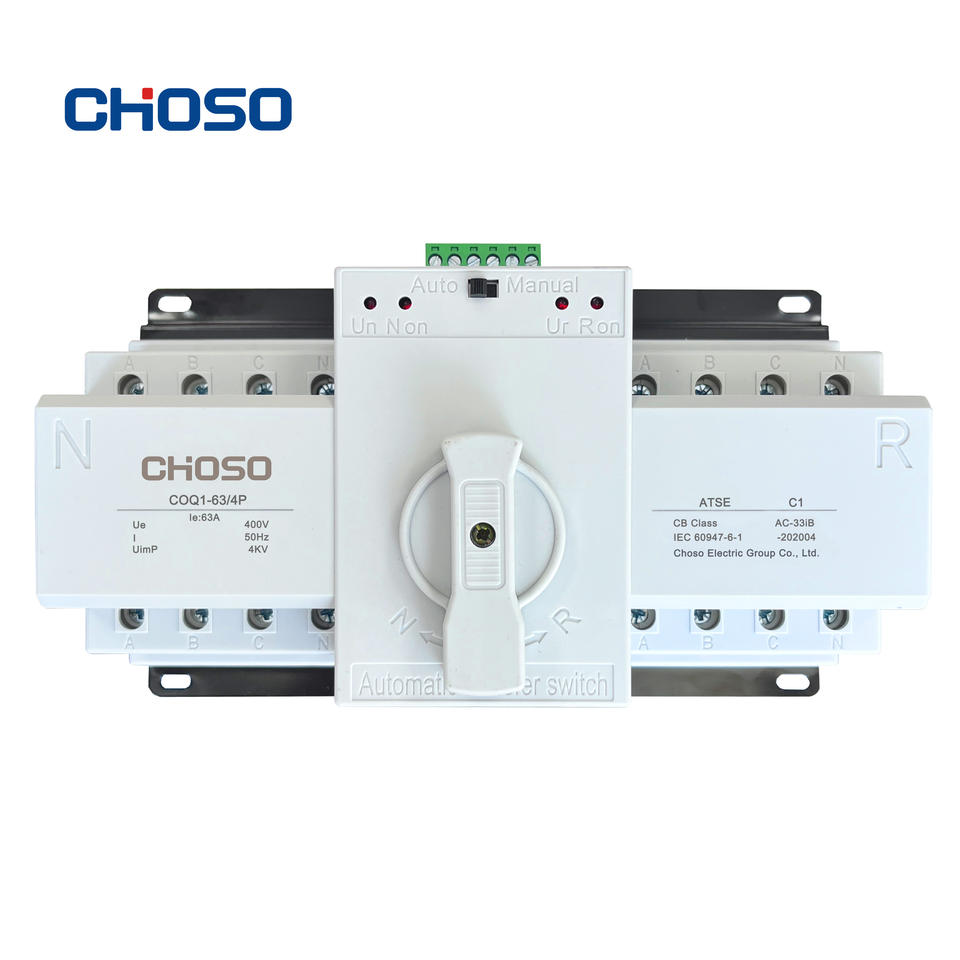
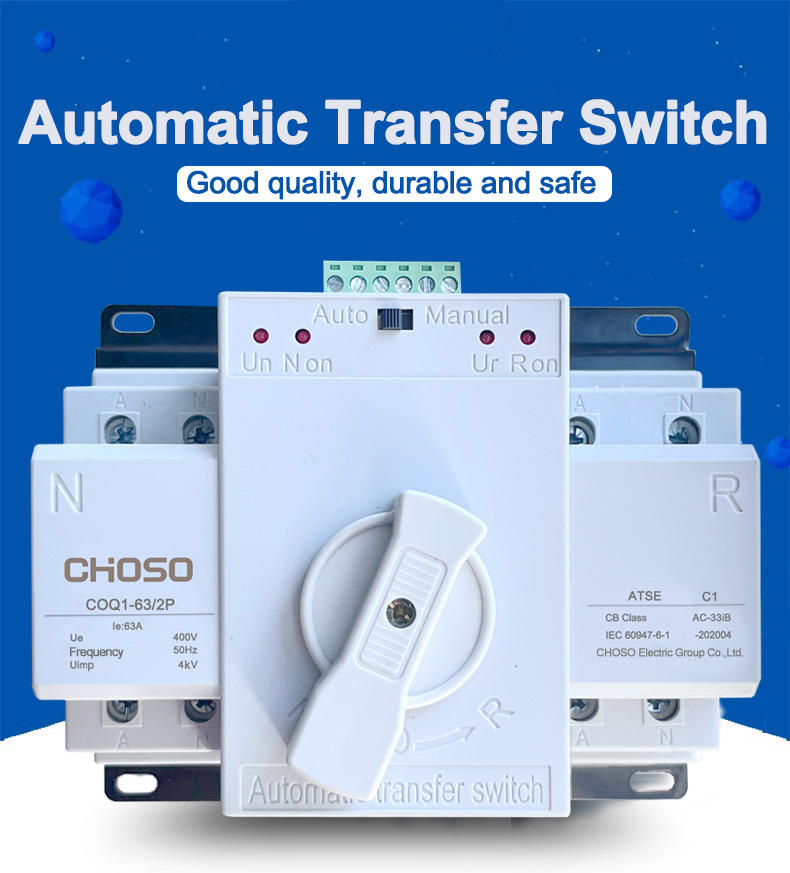
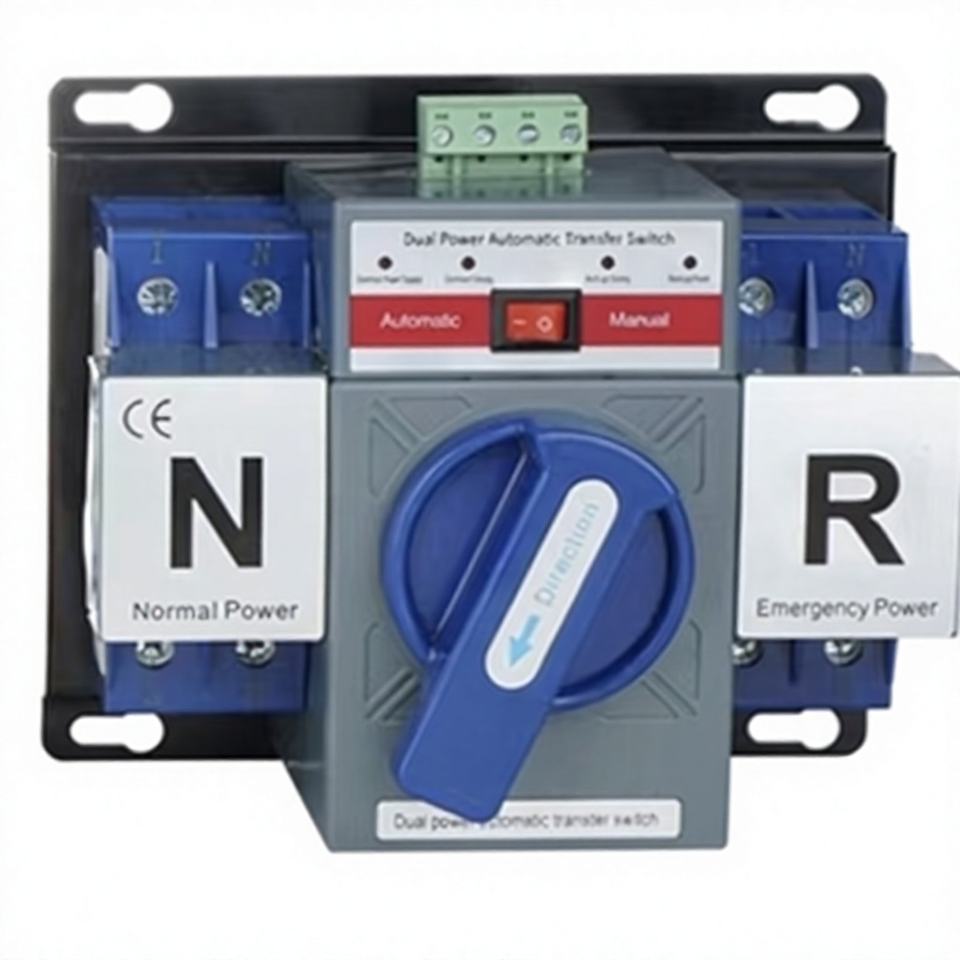
An automatic transfer switch is an electrical device that transfers power between two sources—typically the utility grid and a backup generator. The "200 amp" rating refers to its current-carrying capacity, meaning it is designed to handle the full load of a 200 amp service panel, which is common in homes up to about 3,000–4,000 square feet.
Unlike manual transfer switches that require you to flip a lever, an ATS monitors the incoming utility voltage. When it detects an outage, it starts the generator and transfers the load automatically. When utility power returns and stabilizes, it switches back and shuts the generator down.
Key Components
- Controller board: Monitors voltage and frequency, and manages transfer logic.
- Contactors or relays: Heavy-duty switches that physically move the electrical load.
- Enclosure: NEMA-rated box that protects internal components from weather and debris.
- Terminal lugs: Connection points for utility, generator, and load circuits.
Types of 200 Amp Automatic Transfer Switches
Not all ATS units are built the same. Your choice depends on your generator type, budget, and whether you need whole-house coverage or essential-circuit backup.
Service Entrance Rated vs. Non-Service Entrance Rated
A service entrance rated ATS includes a main breaker and can be installed between the utility meter and your main panel. It eliminates the need for a separate main breaker panel, simplifying the installation. Non-service entrance rated switches are installed downstream of your main panel and require an upstream disconnect. Service entrance rated models are often the better choice for new installations because they reduce equipment and labor costs.
Standard vs. Smart ATS
Standard ATS units rely on electromechanical controls and offer basic transfer functionality. Smart ATS models include Wi-Fi or cellular connectivity, allowing you to monitor power status, generator health, and transfer history from a smartphone app. Some smart switches also support load shedding, which prioritizes critical circuits when generator capacity is limited.
Whole-House vs. Essential-Circuit
A 200 amp ATS can manage your entire service panel if your generator is sized to match. If your generator is smaller—say 10–14 kW—you may use a managed ATS that sheds large loads like electric ranges, dryers, and EV chargers to keep essential systems running.
How to Choose the Right 200 Amp ATS
Selecting the right switch involves more than matching the amperage. Consider these factors:
1. Generator Compatibility
Two-wire start generators are the most common and work with most ATS units. However, some generators use proprietary communication protocols. Always verify that the ATS is compatible with your generator brand and model. Many manufacturers sell matched ATS and generator bundles that simplify this step.
2. NEMA Rating
For outdoor installations, choose a NEMA 3R enclosure, which resists rain, sleet, and snow. Indoor installations can use NEMA 1 enclosures. In coastal or highly corrosive environments, consider NEMA 4X stainless steel enclosures.
3. Transfer Time
Most residential ATS units transfer power in 10–30 seconds. If you have sensitive electronics or medical equipment, look for a switch with a faster transfer time or add a UPS for those specific loads.
4. Load Management Capabilities
If your generator cannot handle your full 200 amp load, choose an ATS with built-in load shedding. These switches use current transformers to monitor demand and temporarily disconnect non-essential circuits.
5. Warranty and Support
Look for a warranty of at least 3–5 years. A longer warranty often indicates better build quality and gives you peace of mind.
Comparison Table: Popular 200 Amp ATS Options
| Feature | Basic ATS | Smart ATS | Service Entrance ATS |
|---|---|---|---|
| Transfer Time | 20–30 sec | 10–20 sec | 15–25 sec |
| Remote Monitoring | No | Yes (Wi-Fi/App) | Varies |
| Load Shedding | No | Yes | Optional |
| Main Breaker Included | No | No | Yes |
| Typical Price Range | $400–$700 | $800–$1,500 | $600–$1,200 |
Installation Considerations
Installing a 200 amp ATS is not a DIY project. It involves working with high-voltage lines and typically requires a licensed electrician and, in many jurisdictions, a permit and inspection.
Placement
Mount the ATS near your utility meter and main panel to minimize conduit runs. Ensure adequate clearance for ventilation and service access—usually 3 feet in front and 1 foot on sides.
Wiring
You will need to run conductors from the utility meter, the generator, and the main panel to the ATS. Wire size depends on the distance and local code, but 200 amp service typically requires 2/0 or 3/0 copper or 4/0 aluminum conductors.
Neutral and Ground Bonding
If the ATS is service entrance rated, it becomes the new service disconnect point, and the neutral-ground bond must be moved there. If it is not service entrance rated, the bond remains in the main panel. Getting this wrong can create a dangerous parallel path for fault current.
Testing
After installation, simulate a power outage by opening the utility disconnect. The generator should start and the ATS should transfer the load within the expected time. Then restore utility power and confirm the switch returns to normal.
Maintenance Tips for Longevity
- Inspect the enclosure annually for moisture, pests, or corrosion.
- Exercise the switch every 3–6 months by simulating an outage.
- Check terminal connections for tightness—loose lugs cause overheating.
- Keep the controller firmware updated if you own a smart ATS.
- Replace the battery in the generator starting system as recommended.
Common Mistakes to Avoid
Buyers often overlook generator compatibility, undersize the ATS relative to their service panel, or choose an indoor-rated enclosure for an outdoor location. Another frequent error is ignoring local electrical codes, which can lead to failed inspections and costly rework. Always consult a licensed electrician before purchasing.
Final Thoughts
A 200 amp automatic transfer switch is a long-term investment in your home's resilience. By understanding the types, ratings, and features available, you can select a switch that matches your generator, your load requirements, and your budget. Prioritize safety, code compliance, and compatibility—and when in doubt, rely on a qualified installer to guide the final decision.
Send the load list and utility/generator data — we propose switch ratings, transition type and enclosure.