English
 简体中文
简体中文 Русский
 Español
 Deutsch
Best ATS for Portable Generators: Setup and Tips
Find the best ATS for portable generators. Learn sizing, compatibility, safety, and setup tips to keep your home powered during outages.

1. Understand What an ATS Does for a Portable Generator
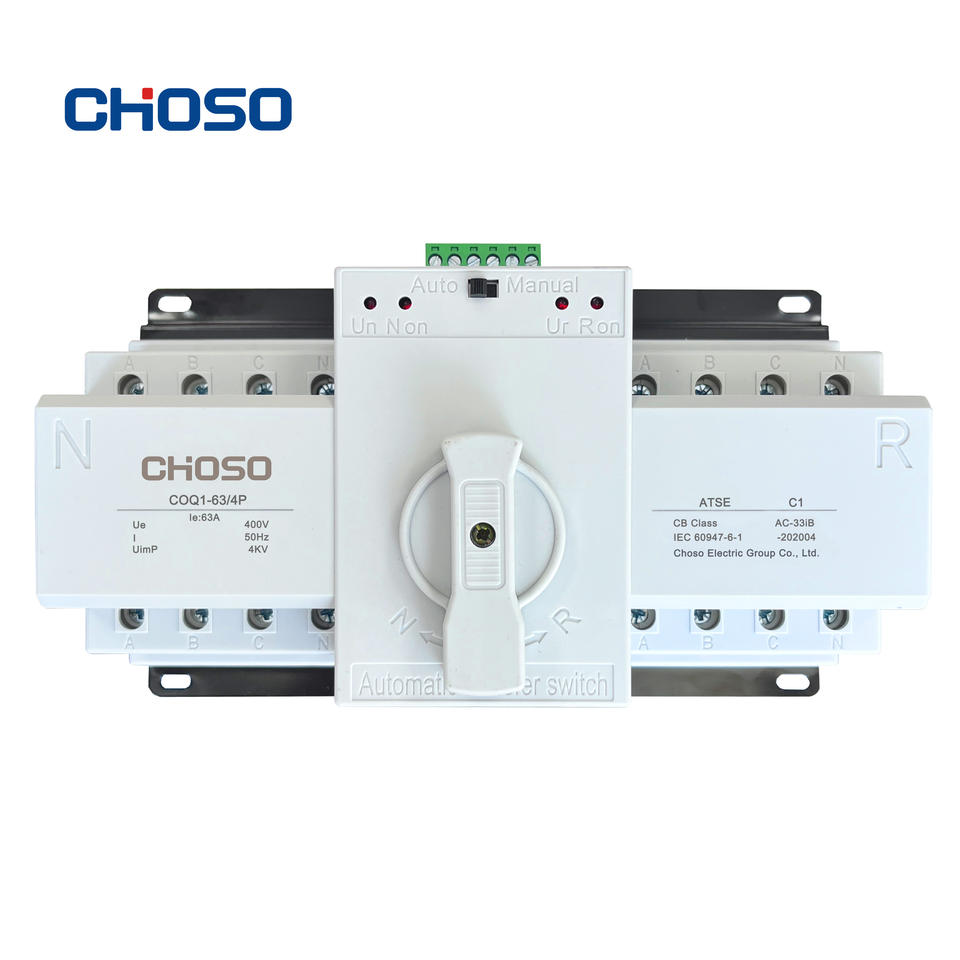
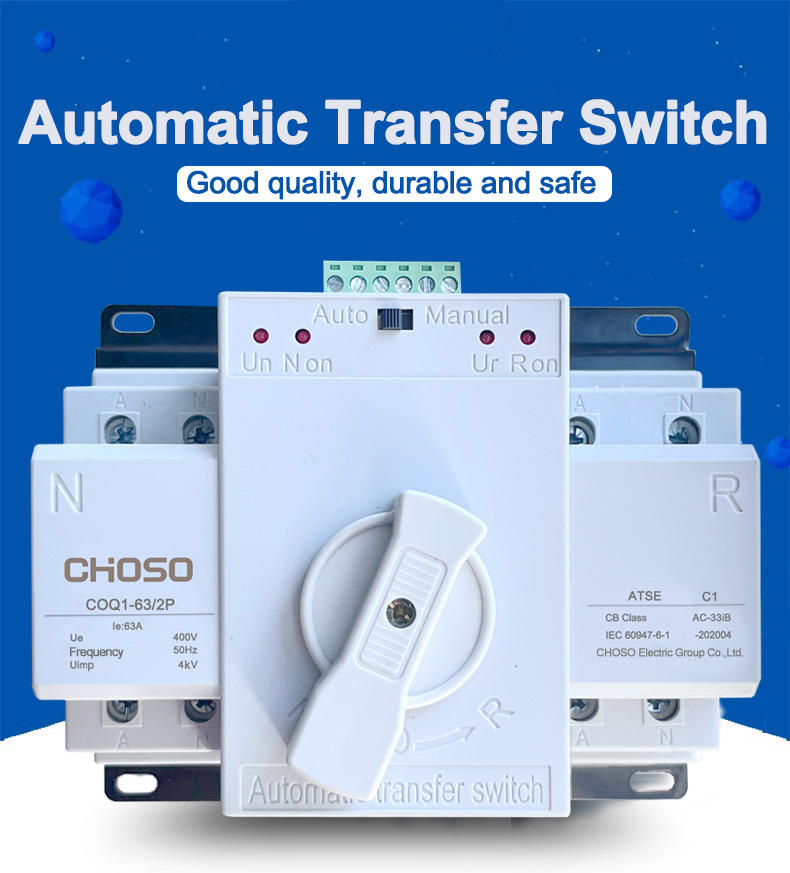
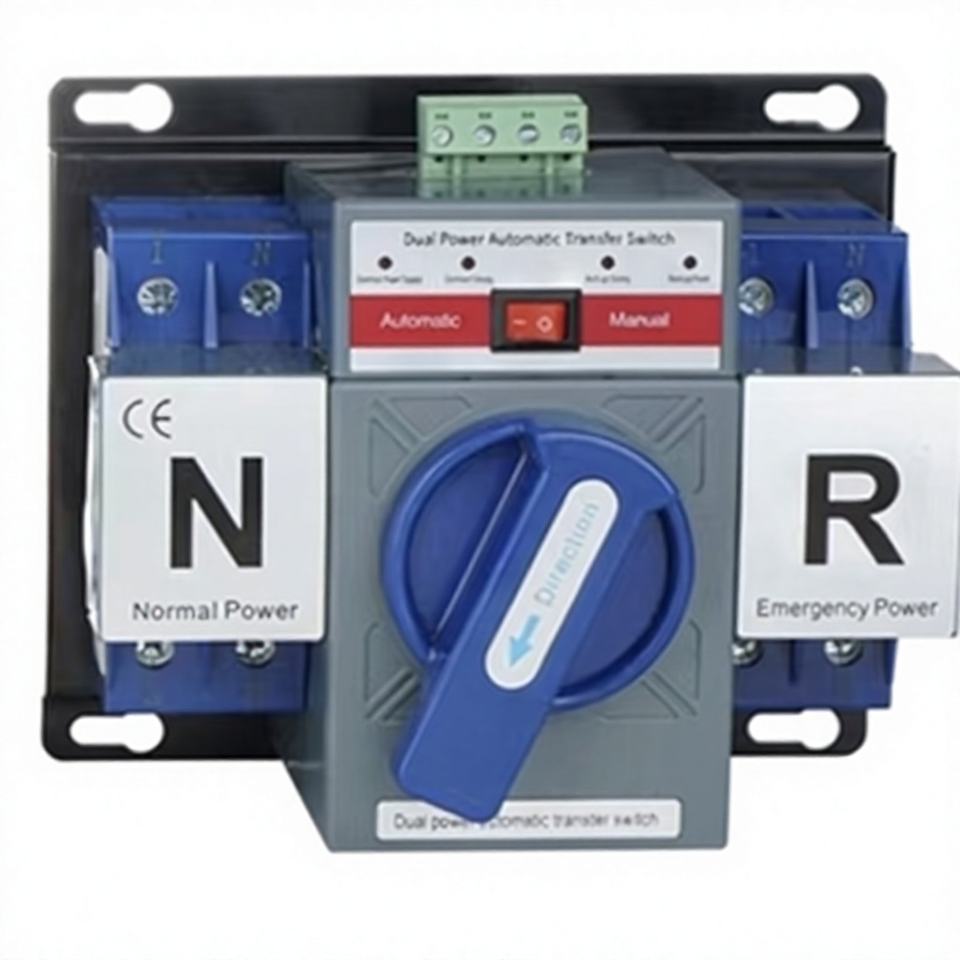
An automatic transfer switch (ATS) is the brain that decides when your portable generator should power your home and when it should stay silent. When utility power fails, the ATS senses the outage, starts the generator (if it has auto-start capability), and transfers the electrical load from the grid to the generator. When utility power returns, it reverses the process and shuts the generator down.
For portable generators, the ATS is especially important because it eliminates the dangerous practice of backfeeding through a dryer outlet or extension cords. A properly installed ATS prevents utility workers from being electrocuted by your generator's output and keeps your appliances safe from voltage fluctuations.
Before shopping, confirm whether your generator has a two-wire auto-start feature. Many inverter and conventional portables do not, meaning you will need a switch that supports manual start or a generator with remote start terminals.
2. Match the ATS Amperage to Your Generator and Home Load
ATS units are rated in amps, typically 30A, 50A, 100A, or 200A. The right size depends on your generator's output and the circuits you want to power. A 30A switch suits smaller portables up to about 7,500 watts, while a 50A switch handles larger units and can power a well pump, furnace, and several rooms.
Never undersize the switch. If your generator produces 50A but your ATS is rated for 30A, the switch can overheat and fail during an outage. Conversely, a 200A switch on a 30A generator is wasteful and may not transfer properly because the sensing circuitry expects a larger load.
Add up the running watts of the appliances you want to back up, then divide by 240 volts to estimate the amperage. Round up to the next standard switch size for a safety margin.
3. Choose Between Manual, Automatic, and Hybrid Transfer Switches
Manual transfer switches are the cheapest option, but you must be home to flip the breaker and start the generator. Automatic transfer switches do everything for you, which is ideal for sump pumps, medical equipment, or freezers that cannot wait.
Hybrid switches offer a middle ground: they transfer automatically but require you to start the generator manually. This is a popular choice for portable generators without electric start, because it still protects your home from backfeeding and simplifies the process.
If you travel frequently or have critical loads, invest in a fully automatic ATS paired with a generator that has auto-start and a battery maintainer. Otherwise, a manual or hybrid switch is a budget-friendly, code-compliant solution.
4. Verify Compatibility With Your Generator's Start System
Not every ATS works with every portable generator. Two-wire start systems are the most common for automatic operation, but some generators use three-wire or proprietary controls. Check your generator manual for an "auto-start" or "remote start" terminal block.
If your generator lacks auto-start, you can still use an ATS in manual mode, or add a aftermarket auto-start kit if the manufacturer supports it. Generac, Champion, and Westinghouse offer portables with two-wire start, which pairs easily with most residential ATS brands.
Also confirm the ATS voltage rating matches your generator: 120/240V split-phase is standard in North America, while 120V-only portables need a different switching arrangement.
5. Prioritize Safety Features and Code Compliance
Look for an ATS with mechanical interlocking that prevents the utility and generator breakers from being closed at the same time. This is a National Electrical Code requirement and the single most important safety feature.
Other desirable features include surge protection, LED status indicators, a test button, and a time-delay relay that prevents the generator from starting during brief flickers. Some models also include generator exercise timers to keep the unit ready.
Always have the switch installed by a licensed electrician and pull the proper permit. DIY installation of an ATS is illegal in many jurisdictions and can void your homeowner's insurance if something goes wrong.
6. Plan the Installation Location and Wiring Run
Mount the ATS near your main electrical panel to keep conduit runs short and voltage drop low. It should be indoors or in a weatherproof enclosure if installed outside, and never in a location subject to flooding or extreme heat.
You will need a dedicated circuit from the generator inlet box to the ATS, plus wiring from the ATS to the main panel. Use the correct gauge wire for the amperage and distance; a 50A circuit typically requires 6 AWG copper.
Install a generator inlet box on an exterior wall near where you will park the generator. This keeps exhaust fumes away from windows and doors and makes connection quick during an outage.
7. Test the System and Maintain It Regularly
After installation, simulate a power outage by turning off the main breaker. The ATS should transfer within seconds and the generator should carry the load smoothly. Test monthly and log the results.
Inspect the switch annually for loose lugs, corrosion, and insect nests. Tighten connections to the manufacturer's torque spec and replace any pitted contacts. Keep the generator's fuel fresh and the battery charged if it has electric start.
Finally, label every circuit in the ATS clearly so anyone in the household can understand what is backed up. A well-maintained transfer switch can last 15 years or more, providing reliable power when you need it most.
Send the load list and utility/generator data — we propose switch ratings, transition type and enclosure.