English
 简体中文
简体中文 Русский
 Español
 Deutsch
Automatic Transfer Switch Price Guide: Costs & Tips
Discover automatic transfer switch prices by amperage, features, and installation. Get expert tips to budget for your backup power system. Read the full guide!
Understanding Automatic Transfer Switch Pricing
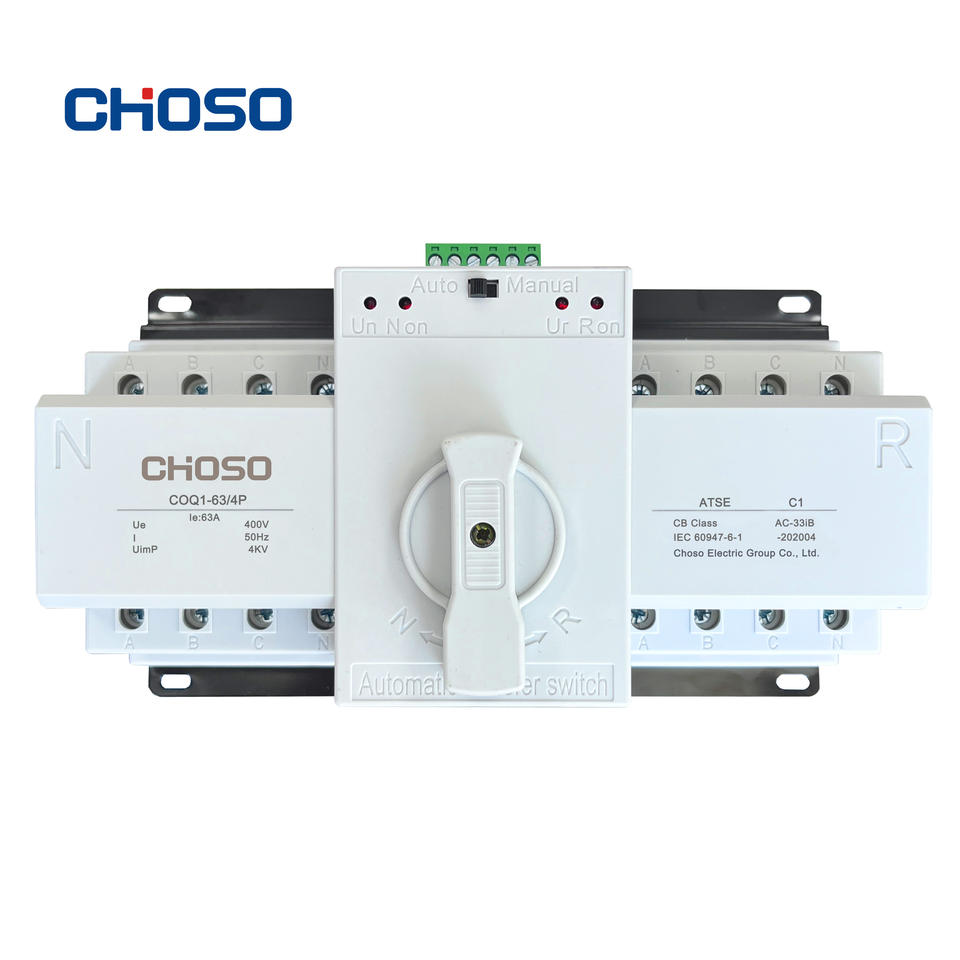
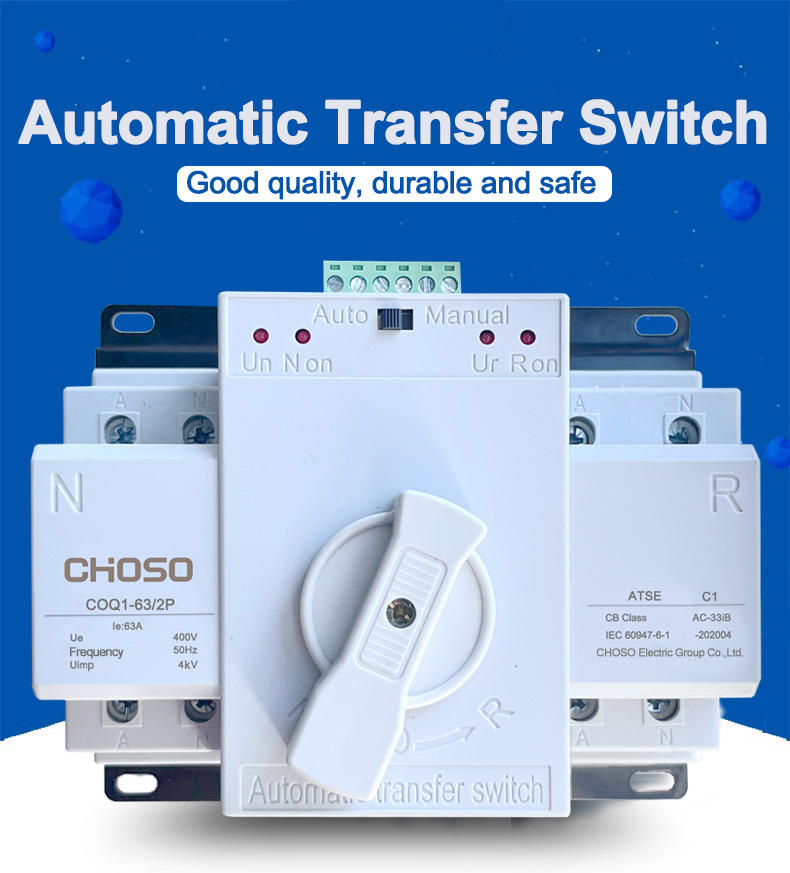
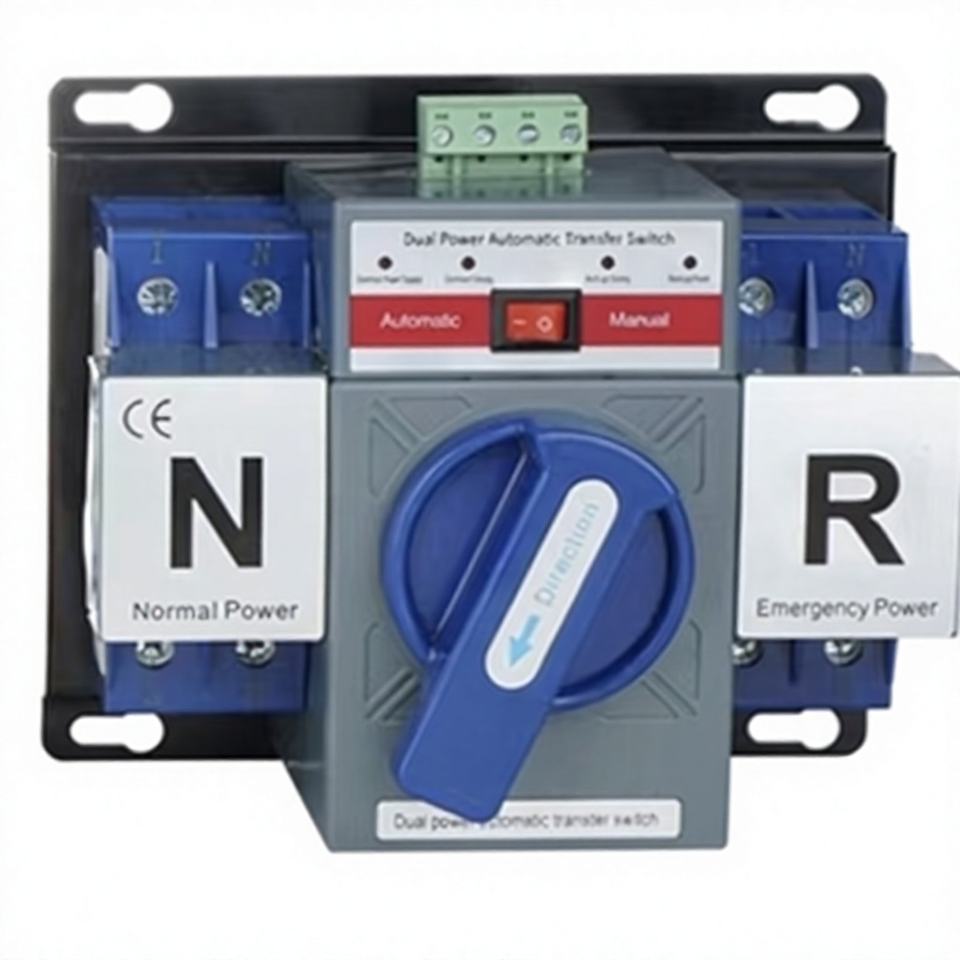
An automatic transfer switch (ATS) is the unsung hero of any backup power system. When the grid fails, it seamlessly switches your electrical load to a generator or alternative power source within seconds, keeping your home or business running. But how much should you expect to pay for this critical piece of equipment? The answer varies widely based on amperage, features, brand, and installation complexity. This guide breaks down the factors that influence automatic transfer switch price, so you can budget accurately and make an informed purchase.
What Is an Automatic Transfer Switch and Why It Matters
An ATS monitors the incoming utility power. When it detects an outage, it signals your generator to start and then transfers the electrical load from the grid to the generator. When utility power returns, it switches back and shuts down the generator. Without an ATS, you would need to manually plug appliances into a generator or flip breakers—an inconvenient and potentially dangerous task during a storm.
Automatic transfer switches are available in two main types: service-entrance rated (installed between the meter and main panel) and standby-rated (installed as a separate panel). The type you choose affects both the price and the installation cost.
Key Factors That Determine Automatic Transfer Switch Price
1. Amperage Rating
The amperage rating is the single biggest price driver. ATS units are sized to match your electrical service and generator output. Common ratings include 100A, 200A, 400A, and 600A. Here's a general price range for the switch itself (equipment only):
| Amperage | Typical Price Range (USD) |
|---|---|
| 100A | $250 – $600 |
| 200A | $400 – $1,200 |
| 400A | $1,200 – $3,000 |
| 600A+ | $2,500 – $6,000+ |
These prices are for the ATS alone and do not include installation, wiring, or permits.
2. Type of Switch: Manual vs. Automatic
Manual transfer switches are cheaper, often $100–$300, but require you to be present to operate them. Automatic switches cost more but offer convenience and safety, especially for sump pumps, medical equipment, or commercial operations.
3. Features and Smart Capabilities
Modern ATS units may include:
- Integrated load management (to prioritize circuits)
- Wi-Fi or cellular monitoring
- Service-entrance rated disconnect
- Generator exercise timers
- Surge protection
Each added feature increases the price. A basic 200A ATS might cost $500, while a smart 200A model with Wi-Fi and load shedding can exceed $1,500.
4. Brand and Warranty
Premium brands like Generac, Kohler, Cummins, and Eaton command higher prices but often come with better warranties and reliability. Budget brands may save you upfront but could cost more in the long run. Always check the warranty period—5 years is standard for quality units.
5. Installation Costs
Installation is a major expense. A licensed electrician typically charges $500 to $2,500 for ATS installation, depending on:
- Distance between the ATS, main panel, and generator
- Need for new conduit, wiring, or trenching
- Local permit fees ($100–$500)
- Whether the utility must disconnect power for a service-entrance install
For a complete 200A service-entrance ATS with a standby generator, total installed cost often ranges from $3,000 to $8,000.
Typical Price Ranges by Application
| Application | Amperage | Equipment Cost | Installed Cost |
|---|---|---|---|
| Small home (essential circuits) | 100A | $250–$600 | $1,200–$2,500 |
| Average home (whole-house) | 200A | $400–$1,200 | $2,500–$6,000 |
| Large home / small business | 400A | $1,200–$3,000 | $5,000–$10,000 |
| Commercial / industrial | 600A+ | $2,500–$6,000+ | $10,000–$25,000+ |
Note: These are rough estimates. Always get multiple quotes from licensed electricians.
How to Save Money on an Automatic Transfer Switch
- Bundle with a generator: Many manufacturers offer packages that include the ATS at a discount.
- Choose a manual switch for occasional use: If you only need backup power a few times a year and can be home to operate it, a manual switch can save hundreds.
- Consider a portable generator with a manual interlock kit: This is the cheapest option but requires manual operation.
- Buy during off-season: Prices for generators and ATS units sometimes drop in spring and fall.
- Check for tax incentives: Some states offer rebates or tax credits for backup power systems.
What to Look for When Buying an ATS
Don't just shop on price. Consider these factors:
- Compatibility: Ensure the ATS works with your generator's voltage and phase.
- UL listing: Look for UL 1008 certification for safety.
- Service entrance rating: If installing between the meter and main panel, the ATS must be service-entrance rated.
- Load management: If your generator can't power your entire home, choose an ATS with load shedding to avoid overloading.
- Warranty and support: A strong warranty and responsive customer service are worth a premium.
Installation Tips and Safety Warnings
Automatic transfer switch installation is not a DIY job for most homeowners. It involves high-voltage wiring, utility coordination, and strict code compliance. Always hire a licensed electrician. Here are a few tips to keep the project smooth:
- Get at least three quotes and ask for itemized breakdowns.
- Confirm the electrician has experience with standby generator systems.
- Check local codes for clearances and permit requirements.
- Plan for future capacity—oversizing slightly can save money later.
- Test the system monthly and after installation.
Frequently Asked Questions
How much does a 200-amp automatic transfer switch cost?
Equipment typically costs $400–$1,200. Installed, expect $2,500–$6,000 including labor and permits.
Can I install an ATS myself?
Only if you are a licensed electrician. Improper installation can cause electrocution, fire, or code violations, and may void your insurance.
Do I need an ATS for a portable generator?
Not necessarily. You can use a manual transfer switch or interlock kit, but an ATS offers automatic convenience.
How long does an ATS last?
Quality units last 15–20 years with proper maintenance. Regular testing and occasional contact cleaning extend lifespan.
Conclusion
The price of an automatic transfer switch depends on amperage, features, brand, and installation complexity. While a basic 100A unit may cost a few hundred dollars, a whole-house 200A system installed can run several thousand. By understanding the cost drivers and planning ahead, you can choose the right ATS for your needs and budget. Always prioritize safety, compatibility, and quality—your backup power system is only as good as its weakest link.
Send the load list and utility/generator data — we propose switch ratings, transition type and enclosure.