
 English
 简体中文
简体中文 Русский
 Español
 Deutsch
Aerial Yoga Hammock Setup: Hardware You Need
Discover the essential hardware for a safe aerial yoga hammock setup. From ceiling mounts to carabiners, learn what you need and how to install it correctly.
Introduction to Aerial Yoga Hammock Setup
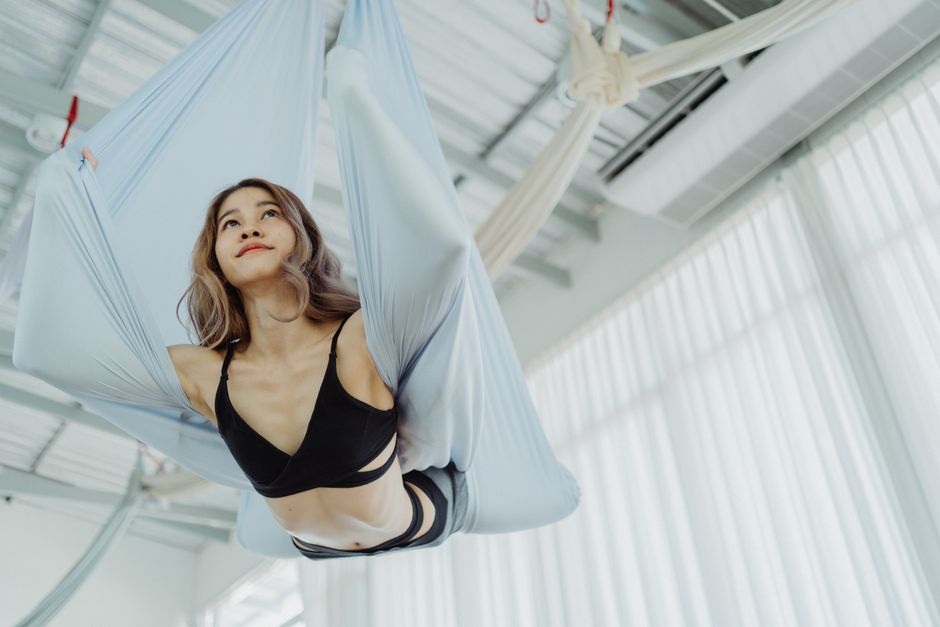
Aerial yoga, also known as flying yoga, has soared in popularity as a fun and effective way to improve flexibility, build strength, and decompress the spine. At the heart of this practice is the aerial yoga hammock—a soft, fabric sling suspended from the ceiling. But before you can take flight, you need the right hardware. A safe and enjoyable aerial yoga practice starts with a properly installed hammock. In this guide, we'll walk you through the essential hardware you need for setting up an aerial yoga hammock, from ceiling mounts to carabiners, and provide practical tips to ensure your setup is secure and reliable.
Understanding the Components of an Aerial Yoga Hammock Setup
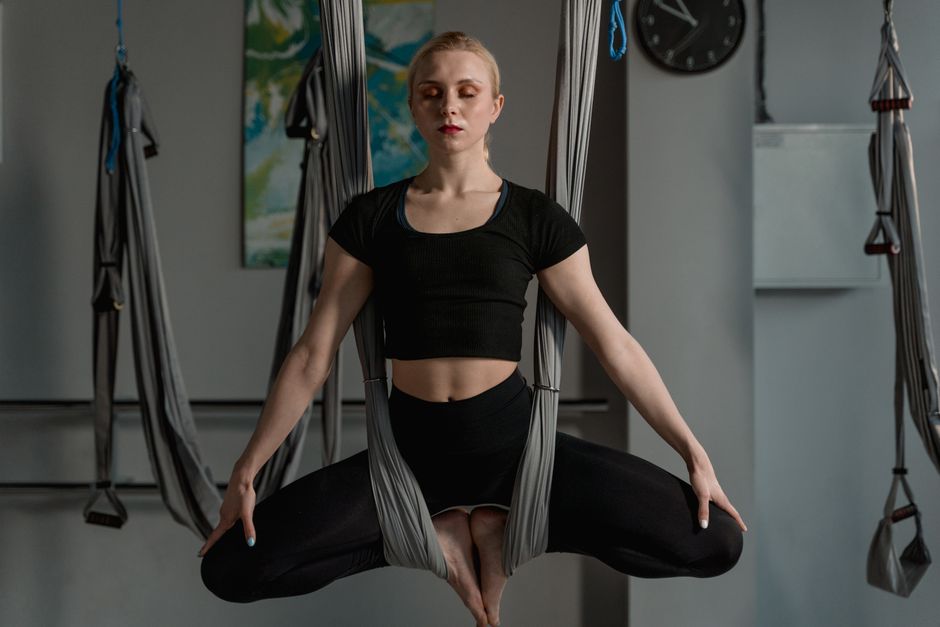
A complete aerial yoga hammock setup consists of several key components. Each plays a critical role in supporting your weight and allowing smooth movement. Let's break down the hardware you'll need:
- Hammock fabric: Typically made of parachute nylon or tricot, designed to hold 300–500 lbs.
- Ceiling mount: The anchor point that attaches to your ceiling structure.
- Carabiners: Metal loops that connect the hammock to the mounting straps.
- Straps or chains: Used to adjust the height of the hammock.
- Swivel: Optional but recommended for smooth spinning and to prevent tangling.
- Extension straps: For adding length if your ceiling is high.
Each of these components must be rated for the load and compatible with one another. In the following sections, we'll dive deeper into each item.
Ceiling Mounts: The Foundation of Your Setup
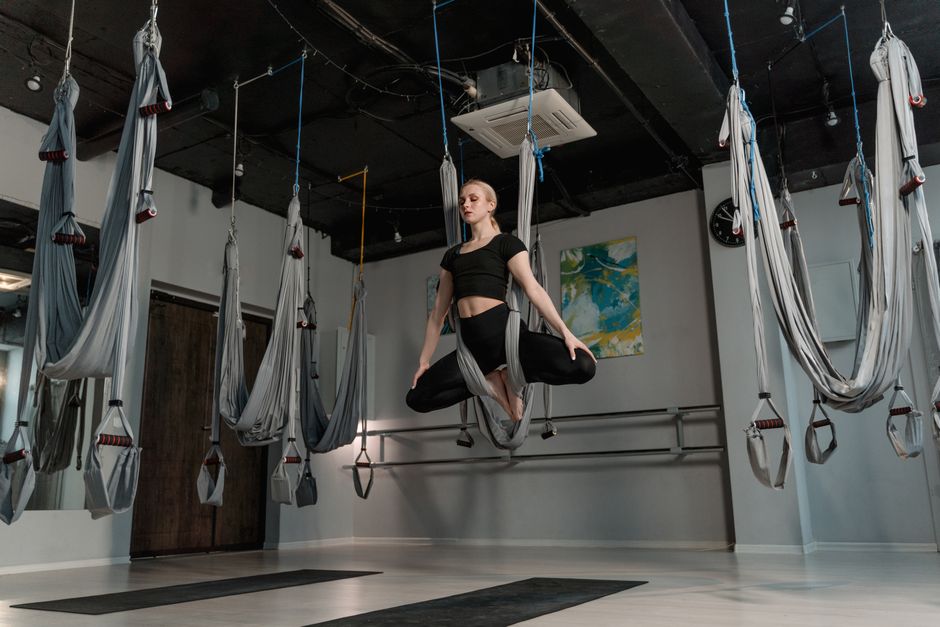
The ceiling mount is the most critical piece of hardware. It must be securely attached to a structural beam or joist that can support the dynamic loads of aerial yoga—which can be several times your body weight. There are several types of ceiling mounts:
1. Beam Clamp Mount
Ideal for exposed beams, this clamp wraps around the beam and provides a strong attachment point. It's easy to install and remove, making it a good choice for studios or homes with exposed wooden beams. However, it requires a beam that is structurally sound and can handle the load.
2. Ceiling Plate Mount
A steel plate that bolts directly into a joist or beam. This is a permanent solution and offers a low-profile attachment point. It's essential to drill into the center of a joist and use heavy-duty lag bolts. If you're unsure about your ceiling structure, consult a contractor.
3. Swing Set Bracket
Similar to a ceiling plate but often designed for swings, these brackets can be used for aerial hammocks if rated for the weight. Look for ones made of forged steel and with a working load limit of at least 1,000 lbs.
No matter which type you choose, always verify that the mount is rated for at least 1,000 lbs of static load and has a safety factor of 5:1 or higher. Never install a mount into drywall alone—it will not hold.
Carabiners: The Connectors
Carabiners are the link between your hammock and the ceiling mount. They must be climbing-grade and have a locking mechanism to prevent accidental opening. Look for carabiners made of steel or aluminum alloy with a minimum breaking strength of 25 kN (about 5,600 lbs).
There are two main types:
- Screw-lock carabiners: Require manual locking by twisting a sleeve. They are secure but can loosen over time if not checked.
- Auto-lock carabiners: Have a spring-loaded gate that locks automatically. They are more convenient and safer for frequent use.
Always use carabiners with a captive eye or a locking mechanism. Avoid using quick links or non-locking carabiners, as they can open under load.
Straps and Chains: Adjusting Height and Stability
To hang your hammock at the right height, you'll need straps or chains. The ideal height is typically 3–4 feet off the ground when the hammock is at its lowest point, allowing you to sit comfortably and perform poses without touching the floor.
Nylon Straps
Nylon straps are popular because they are lightweight, adjustable, and won't scratch your ceiling mount. Look for straps that are at least 1 inch wide and rated for 2,000 lbs or more. They often come with multiple loops for easy height adjustment.
Chains
Chains offer a more permanent and sturdy solution. Use Grade 80 or higher steel chain with a working load limit of at least 1,000 lbs. Attach with quick links or shackles rated for the load. Chains are less adjustable but provide a very secure connection.
Whether you choose straps or chains, ensure they are compatible with your carabiners and mount. Regularly inspect for wear and tear.
Swivels: Enhancing Flow and Safety
A swivel is a device that allows the hammock to rotate freely without twisting the straps. This is particularly useful for spins and transitions in aerial yoga. It also prevents the hammock from getting tangled. Look for a swivel with a ball bearing mechanism for smooth rotation and a working load limit of at least 1,000 lbs. Attach it between the carabiner and the hammock or between the strap and the carabiner, depending on your setup.
Extension Straps: For High Ceilings
If your ceiling is higher than 10 feet, you may need extension straps to bring the hammock down to a usable height. These are simply longer straps or chains that connect the ceiling mount to the hammock. Ensure they are made of the same high-quality material and rated for the load. Avoid using daisy chains or other climbing gear not intended for static loads.
Installation Tips for a Safe Aerial Yoga Hammock
Proper installation is crucial for safety. Follow these tips:
- Locate a structural beam: Use a stud finder or consult a contractor to find a suitable beam. Never install into drywall or plaster alone.
- Use the right tools: You'll need a drill, wrench, and possibly a ladder. Always follow the manufacturer's instructions.
- Check weight ratings: Ensure all components (mount, carabiners, straps) are rated for at least 1,000 lbs and have a safety factor of 5:1.
- Test the setup: Before using, hang on the hammock gently and bounce slightly to test stability. If there's any creaking or movement, tighten or reassess.
- Inspect regularly: Check for wear on straps, carabiners, and mounts before each use.
If you're unsure about any step, hire a professional installer. Safety should always come first.
Hardware Comparison Table
Here's a quick comparison of the key hardware components to help you choose:
| Component | Material | Minimum Strength | Notes |
|---|---|---|---|
| Ceiling Mount | Steel | 1,000 lbs | Must attach to structural beam |
| Carabiners | Aluminum/Steel | 25 kN (5,600 lbs) | Locking mechanism required |
| Straps | Nylon | 2,000 lbs | Adjustable, check for wear |
| Swivel | Steel | 1,000 lbs | Ball bearing for smooth spin |
| Extension Straps | Nylon/Steel | 2,000 lbs | For ceilings over 10 ft |
Common Mistakes to Avoid
Many injuries and accidents in aerial yoga stem from improper hardware or installation. Avoid these common mistakes:
- Using non-rated hardware: Regular hardware store carabiners or mounts are not designed for dynamic loads. Always use climbing-grade or aerial-specific gear.
- Installing into weak structures: Drywall, drop ceilings, or decorative beams are not safe. Always anchor into solid wood or steel.
- Ignoring weight limits: Exceeding the working load limit can lead to catastrophic failure. Always adhere to the manufacturer's specifications.
- Neglecting maintenance: Regularly inspect all components for signs of wear, rust, or damage. Replace any worn parts immediately.
By avoiding these mistakes, you'll ensure a safe and enjoyable aerial yoga practice.
Conclusion
Setting up an aerial yoga hammock requires careful attention to hardware and installation. From ceiling mounts to carabiners, each component must be strong, reliable, and compatible. By following the guidelines in this article, you can create a safe and secure setup that will support your practice for years to come. Remember, when in doubt, consult a professional. Now, spread your wings and enjoy the freedom of aerial yoga!
Share your market, quantities and rigging situation — we reply with a sample plan and timeline.