 English
 简体中文
简体中文 Русский
 Español
 Deutsch
1. Why Building Blocks Are Essential for Preschoolers
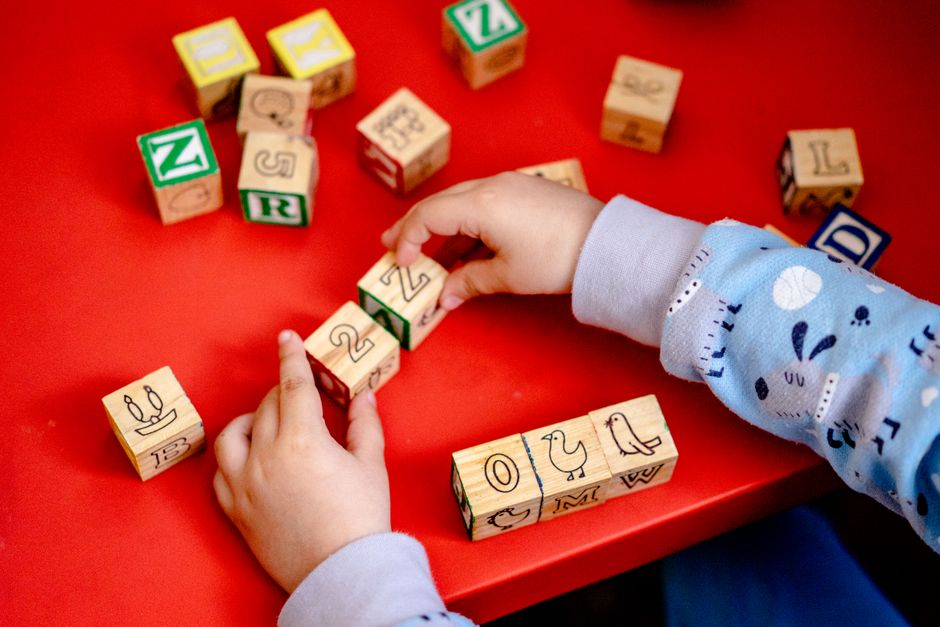
Building blocks are more than just toys; they are powerful tools for early childhood development. For preschoolers aged 3 to 5, playing with blocks enhances fine motor skills, spatial awareness, and creativity. As they stack, balance, and construct, they learn problem-solving and patience.
Research shows that block play also boosts language and social skills when children collaborate on building projects. By choosing the right blocks, you can provide endless hours of educational fun that supports your child's growth across multiple domains.
2. Types of Building Blocks: Which One Is Right for Your Child?
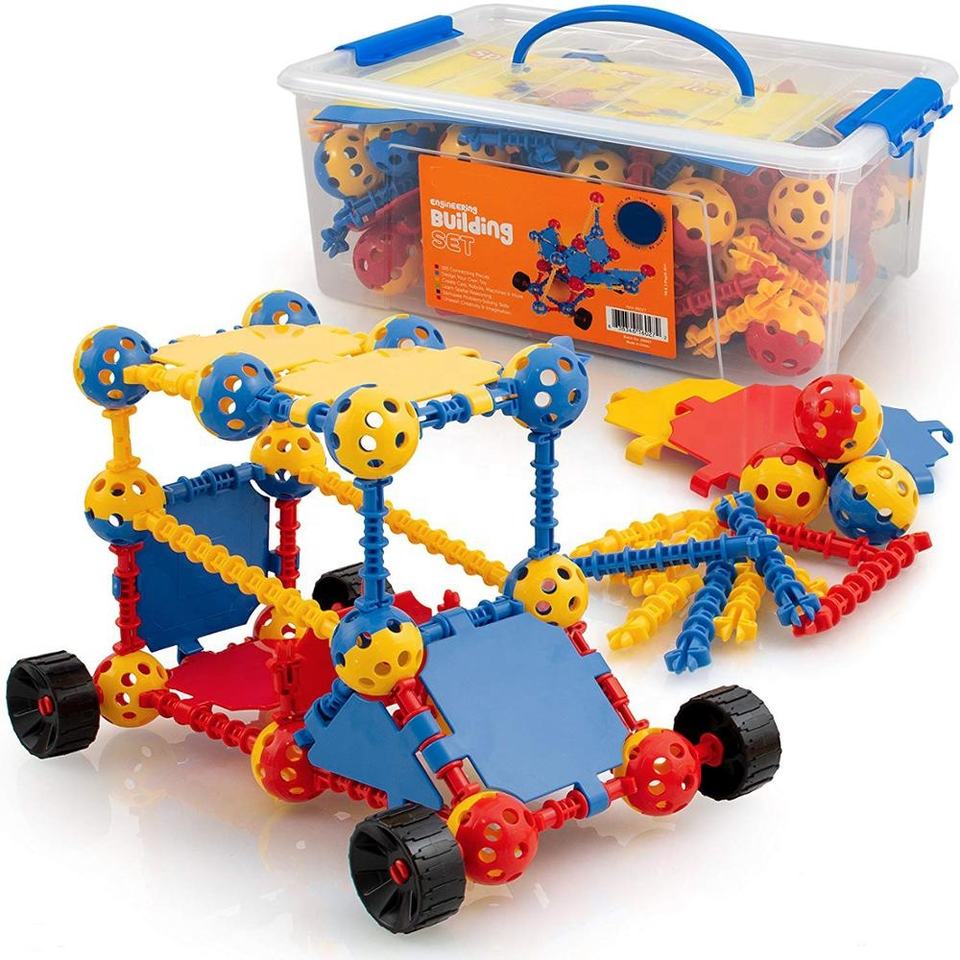
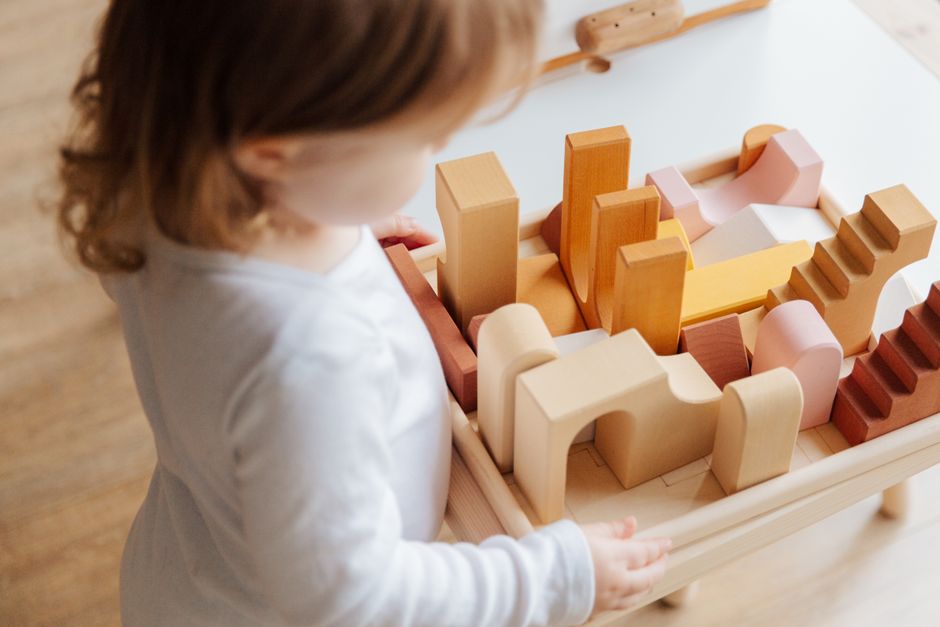
There are several types of building blocks, each with unique benefits. Wooden blocks are classic, durable, and offer a natural sensory experience. Plastic blocks, like LEGO Duplo, snap together and allow for more intricate designs. Foam blocks are soft and safe for younger toddlers, while magnetic tiles are great for 3D constructions and spatial reasoning.
Consider your child's age, interests, and developmental stage. For preschoolers, a mix of wooden and plastic blocks often works best, as they cater to different play styles. Also, check for non-toxic materials and smooth edges to ensure safety.
3. Key Features to Look for in Preschool Building Blocks
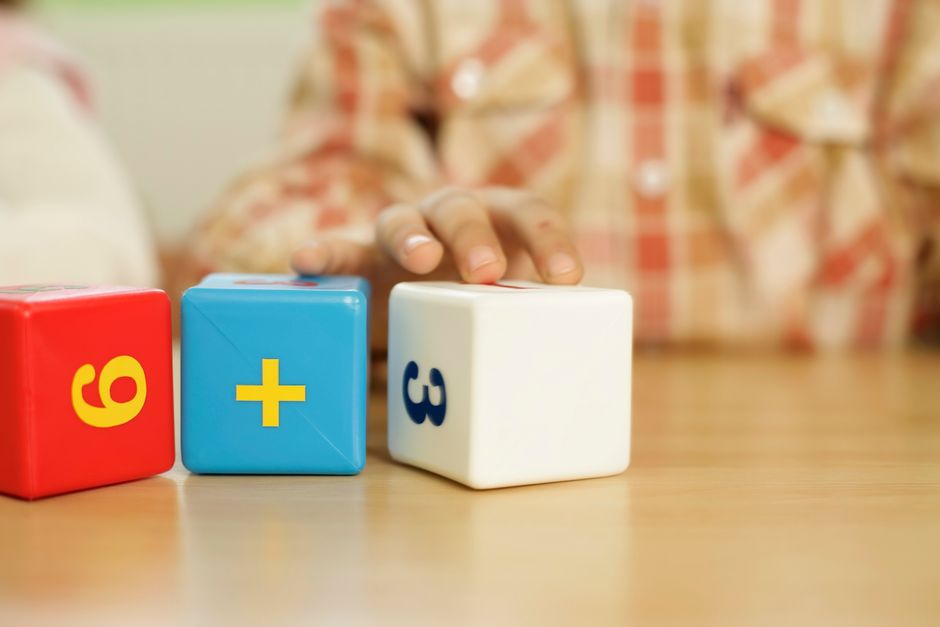
When shopping for building blocks, prioritize safety, durability, and educational value. Look for blocks made from non-toxic materials like water-based paint on wood or BPA-free plastic. Smooth, rounded edges prevent injuries, and blocks should be large enough to avoid choking hazards.
Durability is crucial because preschoolers can be rough. High-quality blocks withstand repeated use and can be passed down. Additionally, consider the versatility: blocks that can be used in multiple ways (stacking, sorting, matching) offer better value and longer engagement.
4. Top 5 Building Block Sets for Preschoolers
Based on popularity and expert reviews, here are five excellent block sets for preschoolers:
- Melissa & Doug Wooden Building Blocks: 100 natural wood blocks in various shapes, perfect for open-ended play.
- LEGO Duplo Classic Brick Box: Large, colorful bricks that are easy for little hands to manipulate.
- Magna-Tiles Clear Colors 32-Piece Set: Magnetic tiles that encourage 3D building and creativity.
- Mega Bloks First Builders Big Building Bag: Chunky blocks that are ideal for toddlers transitioning to preschool.
- Guidecraft IO Blocks: Innovative blocks that connect in multiple ways, fostering fine motor skills.
Each set has its strengths, so consider your child's preferences and your budget. Many of these sets are compatible with other brands, expanding play possibilities.
5. How Many Blocks Does a Preschooler Need?
The number of blocks depends on the child's age and play style. For a 3-year-old, a set of 50-100 blocks is sufficient. As they grow, more blocks allow for more complex structures. However, too many blocks can be overwhelming; rotate sets to keep play fresh.
It's also helpful to have a storage solution, like a bin or bag, to keep blocks organized and accessible. This teaches responsibility and makes clean-up easier.
6. Safety Considerations for Building Blocks
Safety should be your top priority. Always check for small parts that could be choking hazards, especially if you have younger children. Ensure blocks are made from non-toxic materials and have no sharp edges. For wooden blocks, check that the paint is lead-free.
Supervise play, especially with magnetic tiles, as swallowed magnets can be dangerous. Also, regularly inspect blocks for wear and tear, and discard any damaged pieces.
7. Educational Benefits of Block Play
Block play supports STEM learning by introducing concepts like balance, symmetry, and geometry. It also enhances language skills as children describe their creations and collaborate with peers. Problem-solving and critical thinking are naturally developed as they figure out how to make structures stand.
Furthermore, block play fosters creativity and imagination. Children can build anything from a simple tower to an elaborate castle, boosting confidence and self-expression.
8. Choosing Blocks Based on Your Child's Developmental Stage
Preschoolers are developing rapidly, so choose blocks that match their abilities. Three-year-olds may prefer larger, simpler blocks, while 4- and 5-year-olds can handle smaller pieces and more complex sets. Observe your child's play to determine when they're ready for a new challenge.
Consider blocks that grow with your child, such as those that can be combined with other sets or have multiple difficulty levels. This ensures long-term engagement and value.
9. Where to Buy Building Blocks: Online vs. In-Store
Both online and in-store shopping have pros and cons. Online offers a wider selection, competitive prices, and convenience, but you can't physically inspect the blocks. In-store allows you to see and feel the quality, but selection may be limited.
Read reviews and check return policies before buying. Many retailers offer online exclusives and discounts, so compare prices to get the best deal.
10. Maintenance and Storage Tips for Building Blocks
To keep blocks in good condition, clean them regularly. Wooden blocks can be wiped with a damp cloth and mild soap, while plastic blocks can be washed with warm water. Avoid harsh chemicals that could damage the material or leave residue.
Store blocks in a labeled bin or bag, sorted by type or color if possible. This makes clean-up a breeze and encourages independent play. Rotate sets every few weeks to maintain interest.
Conclusion: Building a Foundation for Learning
Investing in the right building blocks for your preschooler is an investment in their future. By considering safety, durability, and educational value, you can choose blocks that will provide years of creative and cognitive benefits. Use this buying guide to make an informed decision and watch your child's imagination soar.