 English
 简体中文
简体中文 Русский
 Español
 Deutsch
Why STEM Toys Matter for Your Child's Development
STEM toys are more than just a trend in the toy aisle—they are powerful tools that help children build critical thinking, creativity, and problem-solving skills from an early age. STEM stands for Science, Technology, Engineering, and Mathematics, and toys designed around these disciplines encourage kids to explore, experiment, and learn through play.
Unlike passive entertainment like television or simple push-button toys, STEM toys require active engagement. Children build, code, measure, hypothesize, and iterate. These experiences lay the foundation for academic success and future careers in a rapidly changing world.
The Key Benefits of STEM Toys
1. Boosts Critical Thinking and Problem-Solving
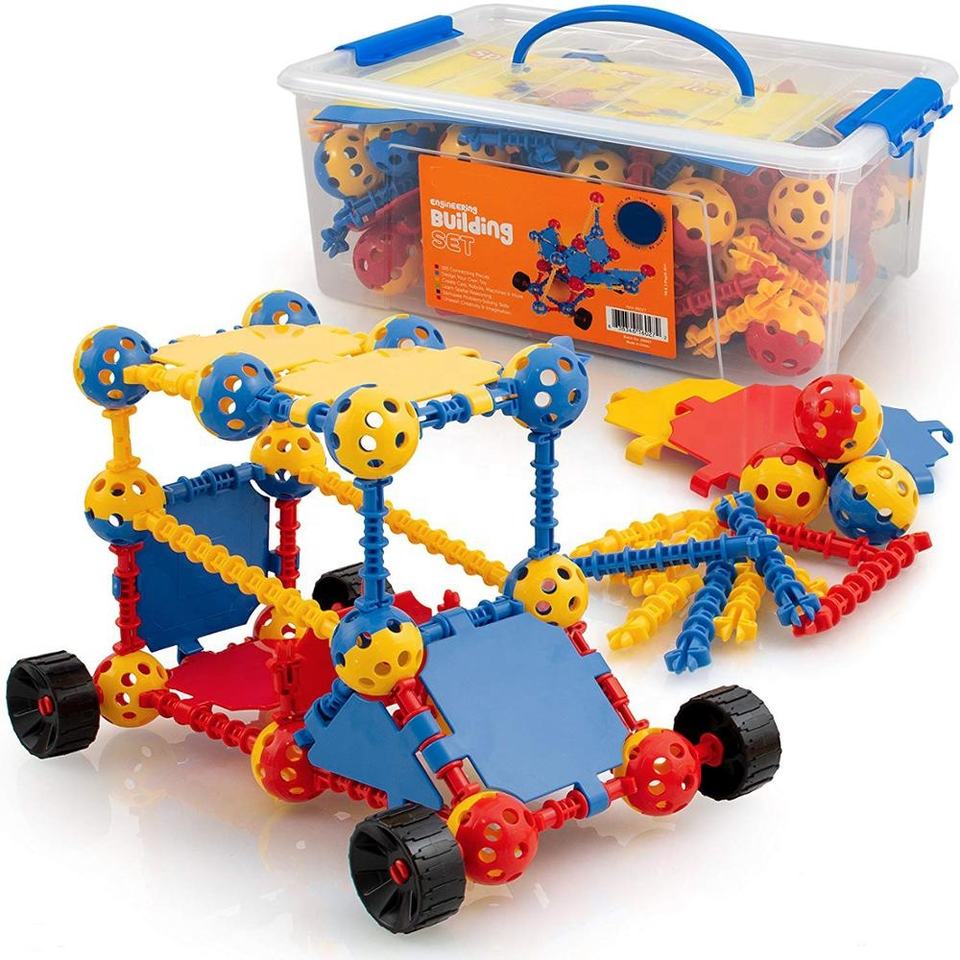
When a child builds a bridge with building blocks or programs a robot to navigate a maze, they encounter problems that require analysis and creative solutions. This trial-and-error process strengthens executive function and resilience.
2. Encourages Creativity and Innovation
STEM toys often have open-ended components, meaning there is no single "right" answer. A set of magnetic tiles can become a castle, a rocket, or a geometric sculpture. This freedom fosters divergent thinking—a key ingredient for innovation.
3. Develops Fine Motor Skills and Spatial Awareness
Manipulating small gears, connectors, and circuit pieces improves dexterity and hand-eye coordination. Building in three dimensions also enhances spatial reasoning, which is linked to success in math and engineering.
4. Builds Confidence Through Hands-On Learning
There is a special joy in seeing a self-built robot move or a homemade volcano erupt. These moments of discovery build self-esteem and a growth mindset—the belief that abilities can be developed through dedication.
5. Prepares Kids for Future Careers
According to the U.S. Bureau of Labor Statistics, STEM occupations are projected to grow by nearly 11% by 2031, much faster than non-STEM fields. Early exposure to STEM concepts helps children develop the skills employers will demand.
How to Choose the Right STEM Toy by Age
Not all STEM toys are suitable for every age. Here is a quick guide to match toys with developmental stages:
| Age Group | Recommended Toy Types | Key Skills Developed |
|---|---|---|
| 2–4 years | Stacking blocks, shape sorters, simple puzzles, water play sets | Motor skills, cause-and-effect, color and shape recognition |
| 5–7 years | Magnetic tiles, beginner coding robots, marble runs, basic circuit kits | Sequencing, spatial reasoning, early programming logic |
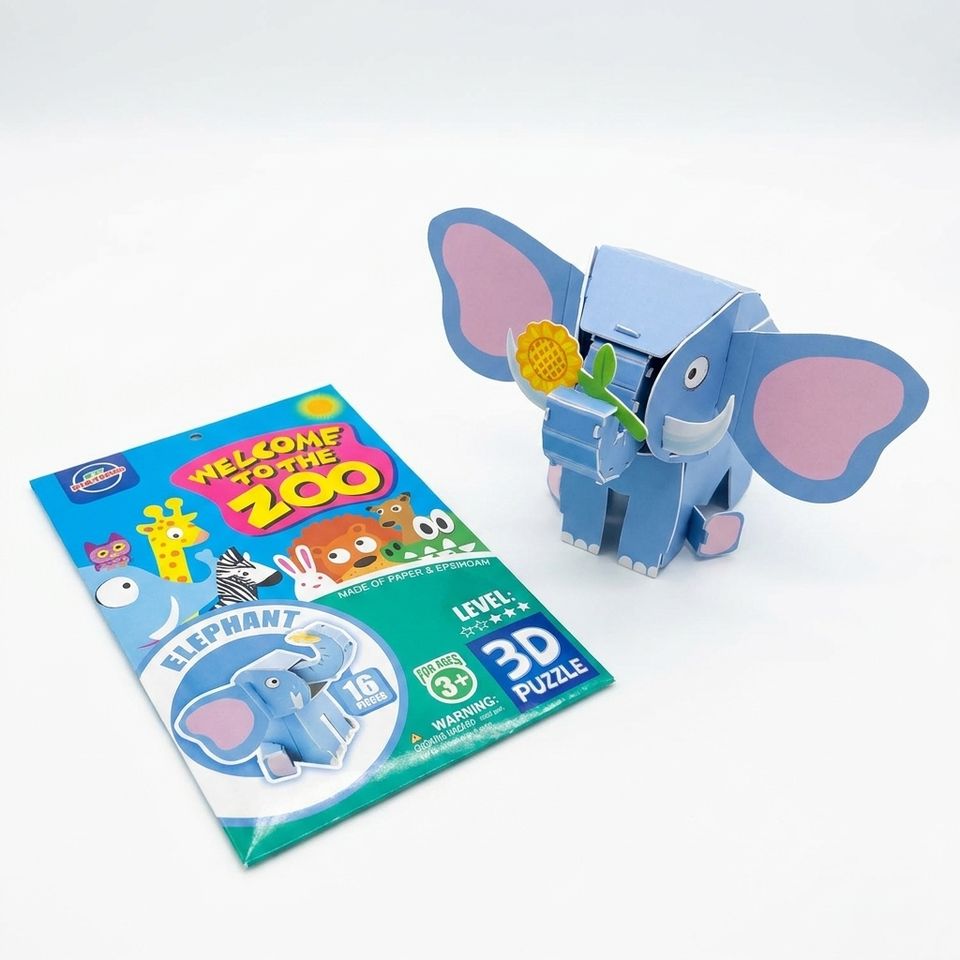
| 8–10 years | Snap circuit kits, LEGO Technic, chemistry sets, simple 3D puzzles | Electrical concepts, engineering design, scientific method |
| 11+ years | Advanced robotics kits, Arduino projects, coding apps, telescope kits | Programming, electronics, astronomy, complex problem-solving |
Top STEM Toy Recommendations for 2025
1. Magnetic Building Tiles (Ages 3+)
Magnetic tiles are a fantastic open-ended STEM toy. They allow children to explore geometry, symmetry, and structural engineering. Brands like Magna-Tiles and PicassoTiles offer durable, colorful sets that grow with your child. Younger kids build simple shapes; older kids create elaborate 3D structures.
2. Coding Robots for Beginners (Ages 5+)
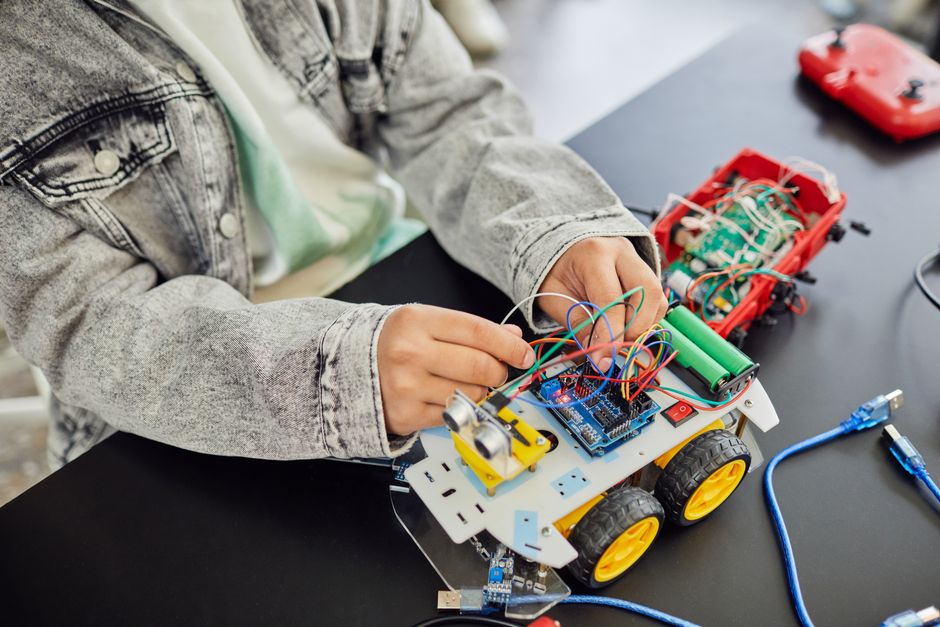
Robots like Botley the Coding Robot or Dash & Dot introduce programming concepts without screens. Children use remote controls or app-based block coding to make the robot move, light up, and complete challenges. These toys teach sequencing, loops, and debugging in a playful way.
3. Snap Circuit Kits (Ages 8+)
Snap Circuits by Elenco let kids build working electronic projects—from a simple light switch to a flying saucer—by snapping together modular pieces. This hands-on approach demystifies electronics and teaches the basics of circuitry, current, and resistance.
4. LEGO Technic and LEGO Education Sets (Ages 7+)
LEGO Technic sets include gears, axles, and motors that bring mechanical engineering to life. The LEGO Education line offers curriculum-aligned kits for classrooms and homes, covering topics like simple machines, renewable energy, and robotics.
5. Marble Run Sets (Ages 4+)
Marble runs teach gravity, momentum, and cause-and-effect. Children experiment with different track configurations to see how speed and direction change. Wooden or plastic sets from Hape and Marble Genius are excellent choices.
6. Microscope and Chemistry Kits (Ages 8+)
For budding scientists, a beginner microscope or a safe chemistry set opens up the wonders of biology and chemistry. Look for kits that include prepared slides, safe chemicals, and clear instruction manuals.
7. Osmo Genius Kit (Ages 5–12)
Osmo combines physical play with digital learning using an iPad and reflective AI technology. Kids solve tangram puzzles, practice spelling, and learn math—all while manipulating real pieces. It is a brilliant bridge between tactile and digital learning.
Practical Tips for Integrating STEM Toys into Daily Play
- Create a STEM-friendly space: Designate a shelf or bin for STEM toys so they are easily accessible. Rotate toys to keep interest high.
- Play alongside your child: Ask open-ended questions like "What would happen if we changed this gear?" or "How can we make the tower taller?"
- Embrace failure: When a project collapses, treat it as a learning opportunity. Discuss what went wrong and how to improve.
- Connect to real life: Point out STEM concepts in everyday life—bridges, weather, cooking, and nature walks.
- Limit screen time: Choose screen-free STEM toys for younger children, and use screen-based coding toys as a supplement, not a replacement.
- Encourage collaboration: Invite friends or siblings to work on projects together. Teamwork builds communication and social skills.
Common Mistakes to Avoid When Buying STEM Toys
Even well-intentioned parents can make missteps. Here are pitfalls to avoid:
- Buying too advanced: A toy that is too difficult can frustrate a child and turn them off STEM. Always check the age recommendation and read reviews.
- Focusing only on coding: STEM is not just computer science. Hands-on building, chemistry, and math games are equally valuable.
- Ignoring safety: Small parts can be choking hazards for children under 3. Check for non-toxic materials and age-appropriate warnings.
- Overlooking instructions: Some toys have poor manuals. Look for kits with clear, illustrated guides or online resources.
- Forgetting fun: If a toy feels like homework, kids will resist. Prioritize playfulness and open-ended exploration.
STEM Toys for Different Learning Styles
Every child learns differently. Here is how to match STEM toys to your child's preferred style:
- Visual learners: Magnetic tiles, puzzles, and color-coded circuit kits.
- Kinesthetic learners: Building blocks, marble runs, and robotics that require hands-on assembly.
- Logical learners: Coding games, strategy puzzles, and math manipulatives.
- Social learners: Cooperative board games with a STEM twist, group building challenges.
- Solitary learners: Independent project kits, journaling science experiments, solo coding apps.
Frequently Asked Questions About STEM Toys
Are STEM toys expensive?
STEM toys range from budget-friendly options under $20 to premium robotics kits over $200. You do not need to spend a lot—many household items like cardboard, tape, and baking soda can become STEM activities. Start small and expand as your child's interest grows.
Can girls benefit from STEM toys?
Absolutely. STEM toys are for all children. Research shows that early exposure helps close the gender gap in STEM fields. Choose toys that appeal to your child's individual interests, regardless of marketing labels.
How much time should my child spend with STEM toys?
There is no strict rule. Even 20–30 minutes of focused STEM play a few times a week can have a positive impact. Consistency matters more than duration.
What if my child loses interest quickly?
Try rotating toys, introducing a new challenge, or playing together. Sometimes a simple prompt like "Can you build a bridge that holds this toy car?" can reignite curiosity.
Final Thoughts: Investing in Your Child's Future Through Play
STEM toys are an investment in your child's cognitive development and future readiness. They transform playtime into a laboratory for discovery, where mistakes are celebrated and curiosity is rewarded. By choosing age-appropriate, engaging STEM toys and participating in the learning process, you can help your child develop a lifelong love for science, technology, engineering, and math.
Remember, the best STEM toy is the one that matches your child's interests and developmental stage. Start with a few high-quality options, rotate them regularly, and watch your child's confidence and creativity soar. The skills they build today will shape the innovators of tomorrow.