 English
 简体中文
简体中文 Русский
 Español
 Deutsch
How Many Toys Should a Child Have? Experts Weigh In
As a parent, you've probably wondered: how many toys should a child have? It's a common question, especially in a world where toys seem to multiply overnight. We've consulted child development experts to bring you practical answers. In this FAQ, we tackle the most pressing questions about toy quantity, quality, and their impact on your child's growth.
What do experts say is the ideal number of toys for a child?
There's no magic number, but many experts suggest that fewer toys—often around 10 to 20—can be more beneficial than a room overflowing with options. Dr. Sarah Thompson, a child psychologist, explains that an abundance of toys can overwhelm children and hinder deep play. Instead, a curated selection encourages focus and creativity.
The ideal number also depends on the child's age and personality. Toddlers might do well with a handful of versatile toys, while older children may need a few more to support their evolving interests. The key is to rotate toys and ensure each one serves a purpose.
Why is having too many toys potentially harmful?
Research indicates that an excessive number of toys can lead to shorter attention spans and less imaginative play. When children are faced with too many choices, they flit from one toy to another without engaging deeply. This can hamper their ability to concentrate and problem-solve.
Moreover, clutter can cause stress for both children and parents. A study from the University of Toledo found that toddlers in a room with fewer toys played longer and more creatively. So, simplifying can actually enhance play quality.
What are the benefits of having fewer toys?
Fewer toys promote creativity, focus, and gratitude. Children learn to use their imagination to turn a simple box into a spaceship or a stick into a magic wand. They also develop a deeper appreciation for what they have, reducing the "gimme" mentality.
Additionally, fewer toys mean less cleanup and more time for meaningful interactions. Parents can spend less time organizing and more time playing with their children, fostering stronger bonds.
How can I determine the right number of toys for my child?
Start by observing your child's play patterns. If they seem overwhelmed or bored, it might be time to declutter. A good rule of thumb is to keep toys that are age-appropriate, encourage open-ended play, and are in good condition. Rotate toys every few weeks to keep things fresh.
Consider the 20-toy rule: some experts recommend limiting toys to about 20, including books and art supplies. But this is flexible; the goal is to create an environment that supports play without overwhelming.
Does the type of toy matter more than the quantity?
Absolutely. Quality over quantity is a principle that holds true for toys. Open-ended toys like blocks, dolls, and art materials can be used in countless ways, growing with your child. In contrast, single-use toys that do one thing quickly become boring.
Experts also emphasize the importance of variety: include toys that stimulate different skills—cognitive, physical, social, and emotional. A mix of construction toys, pretend play items, and active toys is ideal.
How does toy quantity affect sibling interactions?
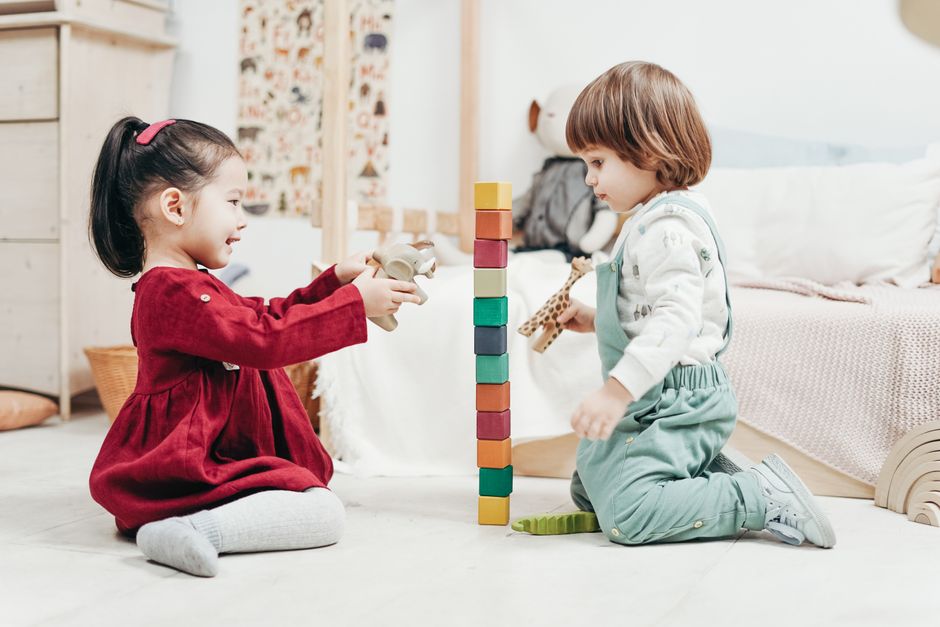
Too many toys can lead to competition and conflict among siblings. When there's an abundance, children may claim ownership and argue over possessions. With fewer toys, siblings are more likely to share and collaborate in play.
Fewer toys also encourage cooperative play, as children must negotiate and take turns. This builds social skills and empathy. So, limiting toys can actually improve sibling harmony.
What strategies can help manage toy accumulation?
Implement a toy rotation system: store some toys away and swap them out every few weeks. This keeps play interesting without adding new items. Also, involve your child in decluttering—ask them to choose toys to donate to charity. This teaches generosity and reduces attachment to excess.
Set boundaries for gift-giving occasions. Ask relatives to contribute to experiences or educational funds instead of buying more toys. And regularly assess toys: if they haven't been played with in months, consider letting them go.
How can I tell if my child has too many toys?
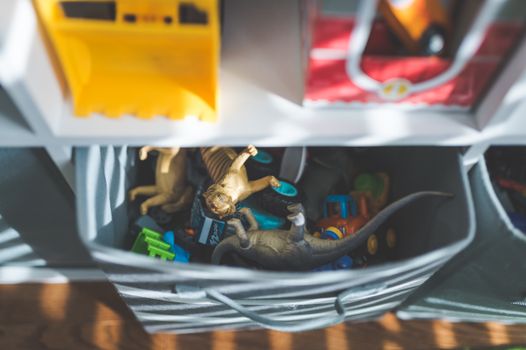
Signs include: your child seems bored despite a room full of toys, toys are scattered and rarely played with, or your child struggles to focus on one activity. If cleanup is a constant battle and you feel overwhelmed by clutter, it's likely time to reduce.
Another sign is if your child receives new toys but quickly discards them. This indicates that the novelty wears off fast, and they're not forming deep connections with their playthings.
What do child development experts recommend for toy selection?
Experts recommend choosing toys that are 90% child and 10% toy—meaning the child's imagination does most of the work. Classic toys like building blocks, puzzles, dolls, and balls are timeless for a reason. They engage multiple senses and grow with the child.
Avoid electronic toys that do all the playing for the child. Instead, opt for toys that require active participation. Also, consider the developmental stage: infants need sensory toys, toddlers need exploration, and preschoolers need pretend play.
Conclusion
While there's no one-size-fits-all answer, experts agree that less is often more when it comes to toys. By focusing on quality, rotating selections, and observing your child's play, you can create an environment that fosters creativity, focus, and joy. Remember, the best toy is often the one that sparks your child's imagination—and that doesn't require a room full of stuff.