 English
 简体中文
简体中文 Русский
 Español
 Deutsch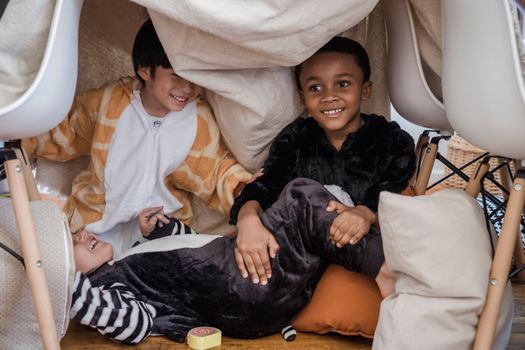
Imaginative play is the cornerstone of healthy childhood development. When children pretend, they build language skills, practice empathy, and learn to solve problems creatively. The right toys act as launchpads for these adventures, giving kids the tools they need to explore new worlds without limiting where their minds can go. In this guide, we count down the 10 best toys for imaginative play, chosen for their versatility, durability, and open-ended potential. Whether you are shopping for a birthday, a holiday, or just because, these picks will spark creativity for years to come.
1. Wooden Building Blocks
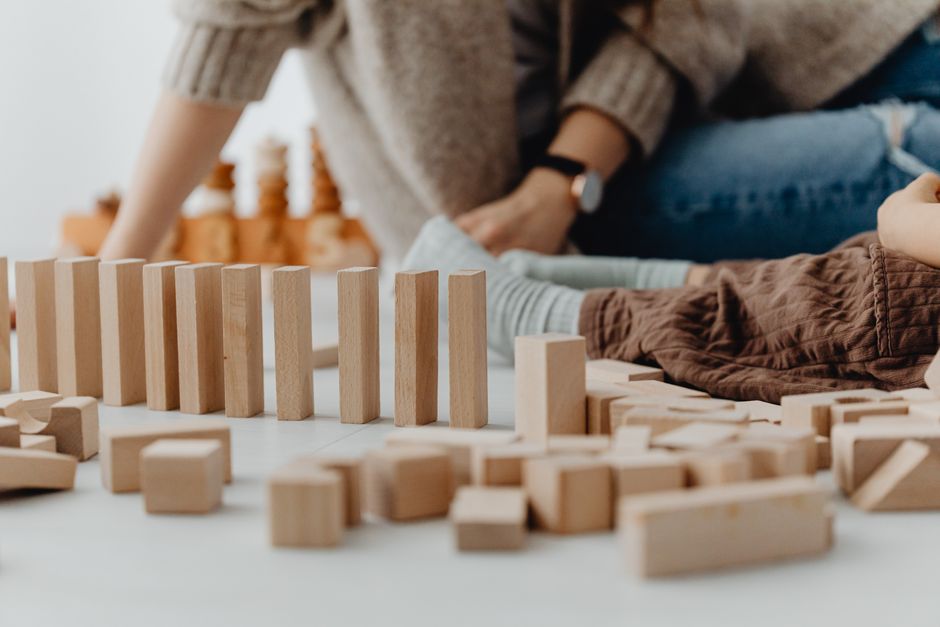
Classic wooden blocks are the ultimate open-ended toy. A simple set of cubes, rectangles, and arches can become a castle, a spaceship, a zoo, or a busy city street. Because there are no instructions or batteries, children are free to invent their own rules and structures. This freedom builds spatial reasoning and perseverance as kids test, adjust, and rebuild.
Look for blocks made from sustainably sourced hardwood with rounded edges and non-toxic water-based paint. A set of 50 to 100 pieces offers enough variety for solo play and group collaboration. Store them in a sturdy cotton bag or wooden crate so cleanup becomes part of the routine.
For older children, add planks, dowels, and small figures to extend the play. These extras encourage storytelling and turn a simple construction session into a full narrative adventure.
2. Pretend Play Kitchen Sets
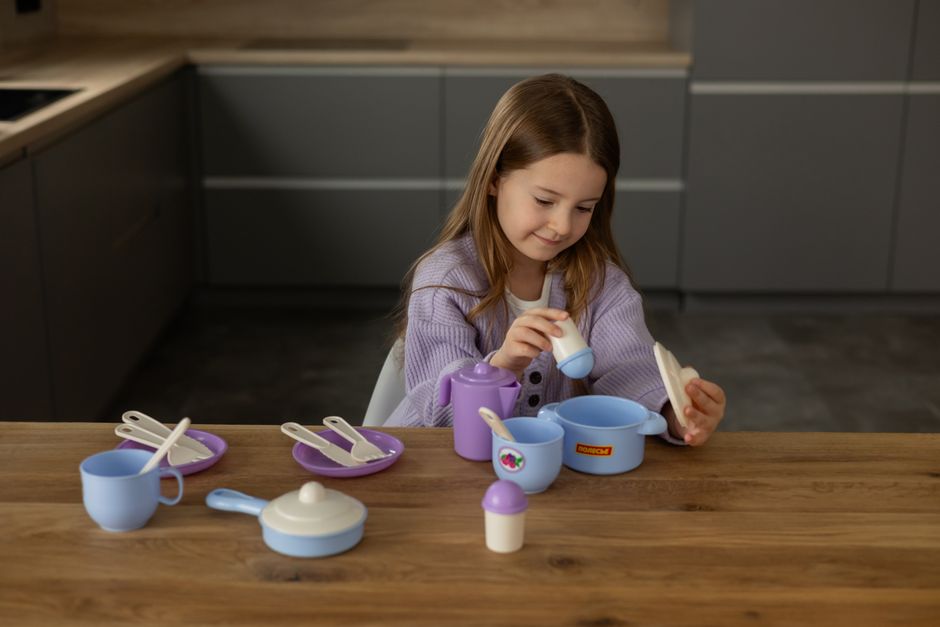
A play kitchen invites children to mimic the daily routines they see around them, from cooking breakfast to hosting a dinner party. This type of role-play helps kids practice sequencing, vocabulary, and social manners. It also gives siblings and friends a natural reason to cooperate and share.
Choose a kitchen with realistic but safe accessories: wooden pots, felt food, and child-sized utensils. Avoid sets with tiny parts for children under three. A compact corner kitchen works well in small homes, while a full island model suits playrooms with more space.
Extend the fun with a mini shopping basket, a chalkboard menu, and an apron. These additions keep the scenario fresh and encourage hours of independent play.
3. Dress-Up Trunk
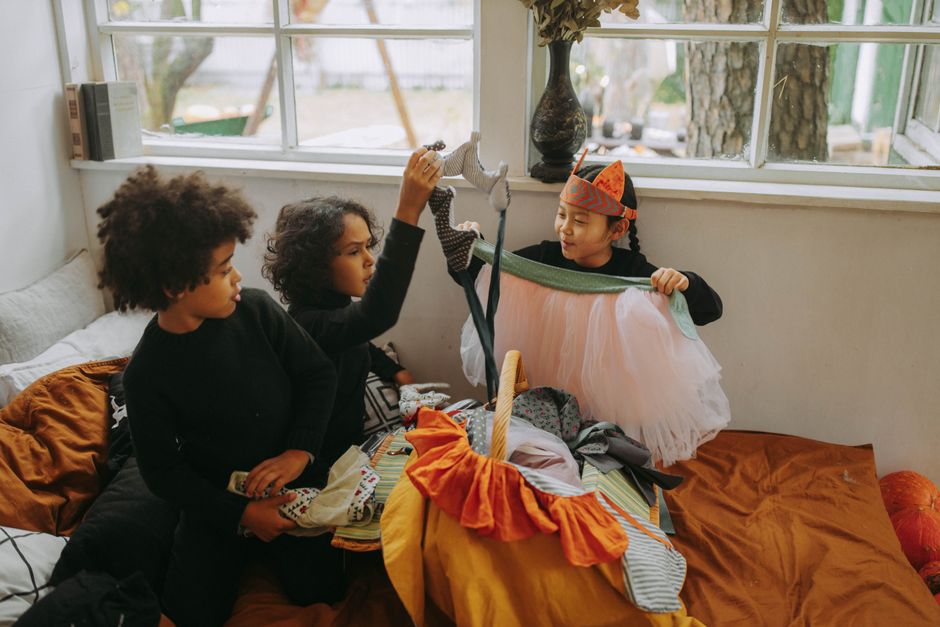
Costumes are a passport to any character a child can imagine. A well-stocked dress-up trunk might include capes, crowns, lab coats, animal ears, and fabric scraps. When children put on a costume, they immediately step into a role, which boosts confidence and emotional expression.
Build your collection from thrift stores, clearance sales, and handmade items. Rotate the contents every few months so the trunk feels new. Include a mirror nearby so kids can see their transformations and refine their performances.
Dress-up play also supports language development as children narrate their adventures. Encourage them to put on a short show for the family, complete with tickets and programs they make themselves.
4. Puppet Theater and Hand Puppets
A tabletop puppet theater turns any doorway into a stage. Puppets allow shy children to speak through a character, which can be less intimidating than speaking as themselves. This makes puppet play a powerful tool for building communication skills and processing big feelings.
Start with a set of animal puppets and a few simple human characters. A foldable theater made of fabric or wood stores easily and sets up in seconds. Add a small curtain and a battery-powered spotlight for dramatic effect.
Encourage children to write or improvise short scripts. Retelling familiar stories builds comprehension, while inventing new endings stretches creative thinking.
5. Magnetic Tiles
Magnetic tiles are a modern classic that combines engineering with imagination. The colorful squares and triangles click together to form houses, rockets, bridges, and abstract sculptures. Because the pieces hold their shape, children can build tall structures that would collapse with traditional blocks.
Look for tiles with strong magnets, smooth edges, and a variety of shapes. A 100-piece set supports complex builds and group projects. Many sets are compatible across brands, so you can expand over time.
Pair tiles with small toy cars or animal figures to spark city-building and storytelling. The combination of construction and narrative keeps kids engaged far longer than either toy alone.
6. Art Easel with Chalkboard and Whiteboard
An adjustable art easel gives children a dedicated space to draw, paint, and write. The vertical surface strengthens shoulder and wrist muscles, which supports handwriting later on. A double-sided easel with a chalkboard on one side and a whiteboard on the other offers two mediums in one footprint.
Stock the easel with washable markers, chalk, tempera paint, and large brushes. Clip paper to the board for painting sessions, or let kids draw directly on the surface for quick sketches. A tray keeps supplies within reach and encourages tidy habits.
Display finished artwork on a nearby clothesline or gallery wall. Seeing their work respected builds pride and motivates children to keep creating.
7. Play Tent or Teepee
A play tent creates an instant hideout, reading nook, or secret base. The enclosed space feels special to children and gives them a sense of ownership over their play. It also encourages quiet activities like looking at books or telling stories with a flashlight.
Choose a tent made from durable cotton canvas with sturdy poles. Look for a model that folds flat for storage and can be used indoors or outside on dry days. Add cushions, a small rug, and a basket of books to make it cozy.
Tents work well for themed play too. Turn one into a doctor's office, a space station, or a jungle campsite by adding a few props and a sign made by the kids.
8. Dolls and Plush Animals
Dolls and plush animals are among the first toys children use for pretend play. Feeding, rocking, and talking to a doll helps kids practice caregiving and empathy. These toys also become loyal companions during transitions like starting preschool or moving to a new home.
Offer a mix of dolls with different skin tones, hair textures, and abilities so play reflects the real world. Soft plush animals are great for younger children, while articulated dolls suit older kids who want to pose and dress them.
Add a small doll bed, a stroller, and a few change of clothes. These accessories extend the story and give children more ways to act out daily routines.
9. Toy Vehicles and Play Mat
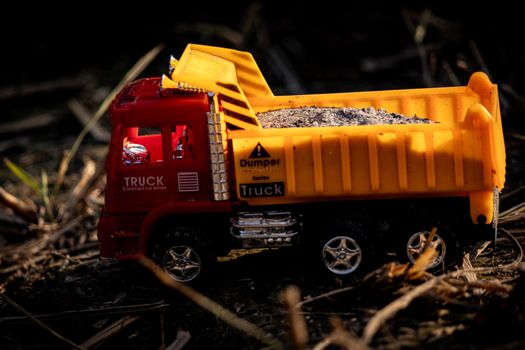
A set of toy cars, trucks, and trains paired with a printed play mat opens up endless storytelling. Children map out routes, deliver cargo, and invent traffic rules. This type of play builds narrative thinking and introduces basic geography concepts.
Choose vehicles made from die-cast metal or sturdy recycled plastic. A play mat with roads, buildings, and a park gives the cars a place to go. For train lovers, a wooden railway set adds another layer of construction and problem-solving.
Encourage kids to add blocks, signs, and figures to the scene. The more they customize the world, the more invested they become in the story.
10. Storytelling Cards and Story Cubes
Storytelling cards and story cubes are simple prompts that unlock big imaginations. Each card or cube shows a picture, and players take turns weaving the images into a story. This game works for one child or a group and requires no reading, so even preschoolers can join.
Use the cards as a bedtime ritual, a car-ride game, or a classroom warm-up. The random combinations push children to think flexibly and connect ideas in unexpected ways. Over time, they build a richer vocabulary and greater confidence in speaking.
For a twist, record the stories on a phone and play them back. Hearing their own voice encourages children to refine their storytelling and take pride in their creations.
How to Choose the Right Imaginative Toys
When shopping for toys that spark creativity, focus on open-ended design. The best toys have no single correct outcome, so children can use them in many ways. Consider these factors:
- Age fit: Check safety labels and choose pieces sized for your child's stage.
- Durability: Wood, canvas, and high-quality plastic last longer and handle rough play.
- Versatility: Look for toys that combine with others already in your home.
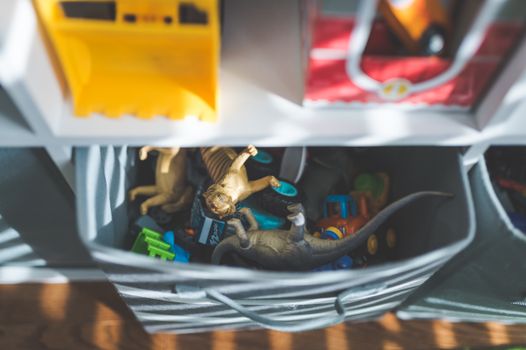
- Storage: Bins, bags, and shelves make cleanup easy and keep pieces together.
- Child interest: Observe what your child already loves and build on that theme.
A simple comparison can help you decide where to invest first:
| Toy Type | Best For | Age Range |
|---|---|---|
| Wooden blocks | Building and spatial skills | 2+ |
| Pretend kitchen | Role-play and social skills | 3+ |
| Dress-up trunk | Confidence and expression | 3+ |
| Magnetic tiles | Engineering and design | 3+ |
| Story cubes | Language and narrative | 4+ |
Final Thoughts
Imaginative play does not require expensive electronics or screens. A few well-chosen toys, a bit of space, and plenty of time are enough to spark creativity. Rotate your collection regularly, join in when invited, and let your child lead the story. With these ten toy ideas, you can build a playroom that grows with your child and keeps imagination at the center of every day.