
 English
 简体中文
简体中文 Русский
 Español
 Deutsch
Introduction: The Case for Screen-Free Play
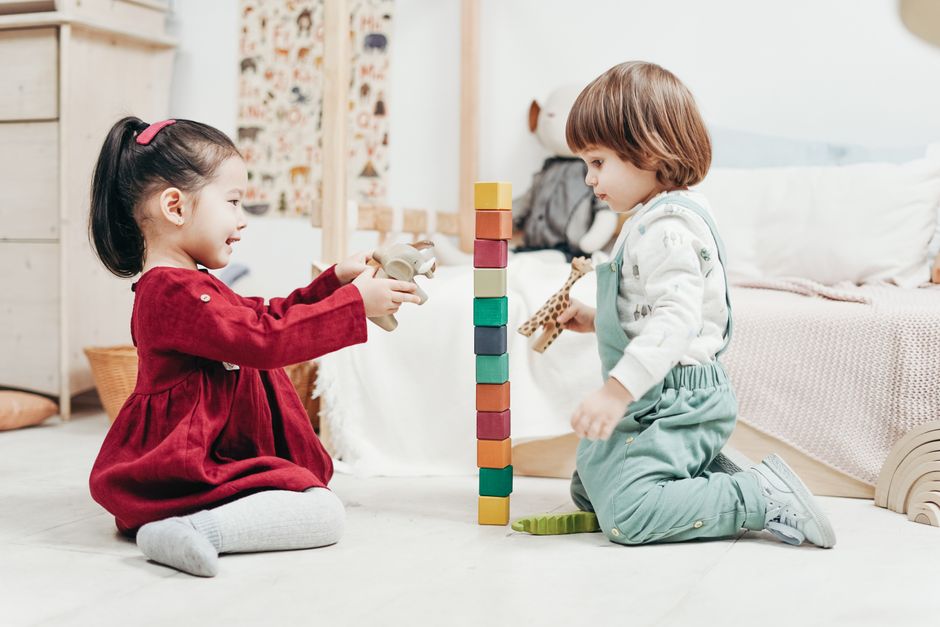
In an era where screens dominate our daily lives, children are spending more time than ever in front of digital devices. The American Academy of Pediatrics recommends limiting screen time for children, yet many kids exceed these guidelines. Screen-free toys offer a powerful alternative, promoting healthy development and imaginative play. This guide explores why screen-free toys matter and how to choose the best ones for your child.
Why Screen-Free Toys Matter
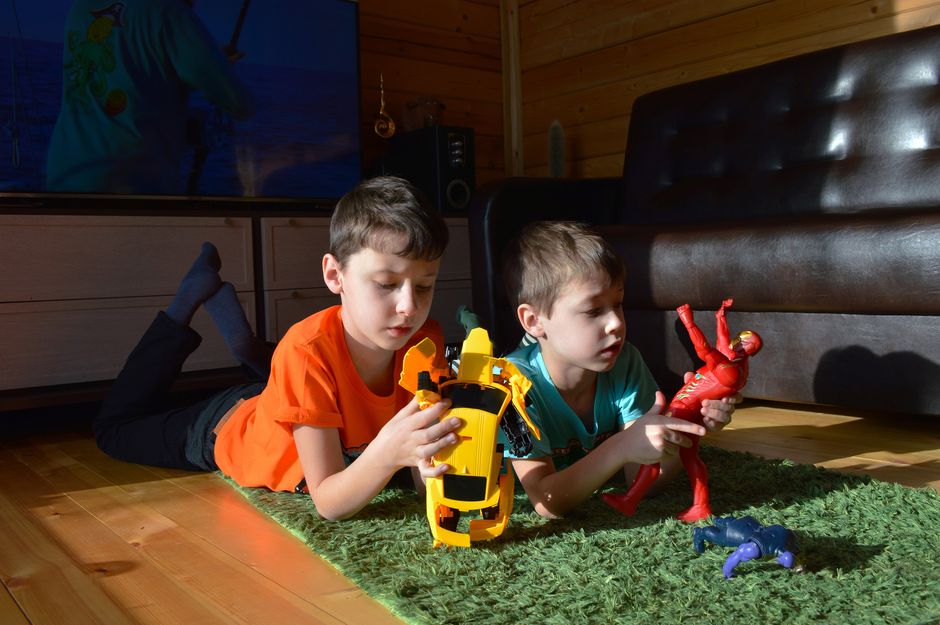
Screen-free toys are not just about reducing screen time; they are about enriching a child's developmental journey. Here are key reasons why they are essential:
- Enhanced Cognitive Development: Hands-on play stimulates problem-solving, creativity, and critical thinking.
- Physical Health: Active play with toys like balls, bikes, and building blocks promotes motor skills and combats sedentary behavior.
- Social Skills: Board games and pretend play encourage face-to-face interaction, turn-taking, and empathy.
- Emotional Regulation: Screen-free toys allow children to process emotions through play, reducing anxiety and stress.
- Attention Span: Without the constant stimulation of screens, children learn to focus for longer periods.
The Science Behind Screen-Free Play
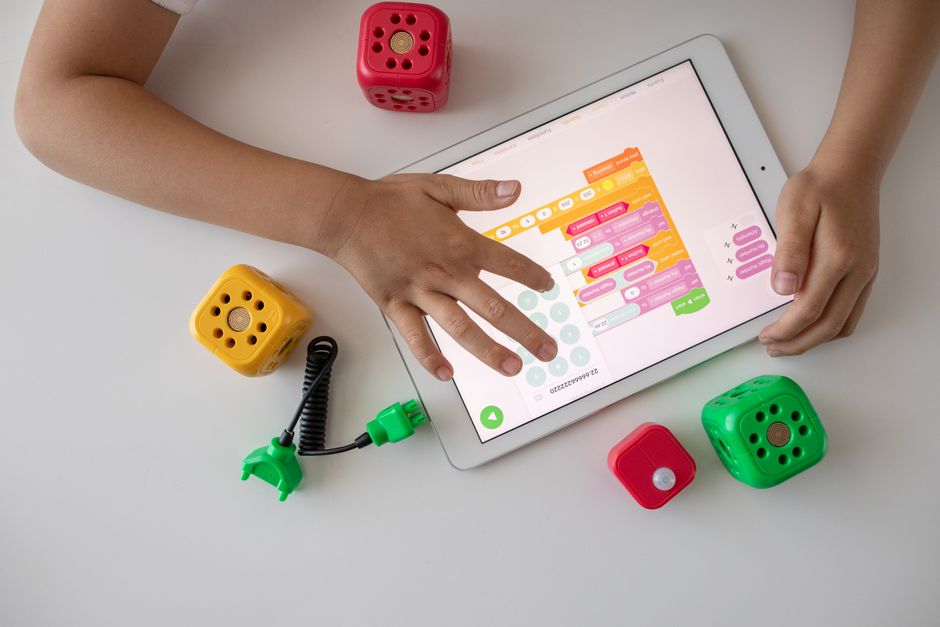
Research shows that excessive screen time can lead to attention deficits, sleep problems, and reduced physical activity. Conversely, screen-free play activates multiple brain regions, fostering neural connections. A study in JAMA Pediatrics found that children who had more screen time had lower language and literacy skills. Screen-free toys like puzzles and building sets enhance spatial reasoning and fine motor skills.
Types of Screen-Free Toys
There is a vast array of screen-free toys available. Here are some categories to consider:
| Category | Examples | Benefits |
|---|---|---|
| Building Toys | LEGO, wooden blocks, Magna-Tiles | Problem-solving, spatial skills, creativity |
| Art & Craft | Play-Doh, crayons, knitting kits | Fine motor skills, self-expression |
| Board Games | Chess, Monopoly, cooperative games | Social skills, strategy, patience |
| Outdoor Toys | Bikes, balls, jump ropes | Physical fitness, coordination |
| Pretend Play | Dolls, action figures, play kitchens | Imagination, language, empathy |
| Puzzles | Jigsaw puzzles, brain teasers | Concentration, memory, logic |
How to Choose Age-Appropriate Screen-Free Toys
Selecting the right toys depends on your child's age and developmental stage. Here are guidelines:
Infants (0-12 months)
Focus on sensory toys: rattles, soft blocks, and textured balls. These stimulate touch, sight, and hearing.
Toddlers (1-3 years)
Choose toys that encourage movement and exploration: push-and-pull toys, stacking rings, and simple puzzles. Avoid small parts that pose choking hazards.
Preschoolers (3-5 years)
Introduce building sets, art supplies, and pretend play items. These foster creativity and social skills.
School-Age (6-12 years)
Provide more complex building kits, board games, and outdoor equipment. Encourage hobbies like model building or crafting.
Practical Tips for Reducing Screen Time
Transitioning to screen-free play requires strategy. Here are practical tips:
- Set Clear Limits: Establish daily screen time limits and stick to them.
- Create a Screen-Free Environment: Designate areas in your home, like the dining room or bedrooms, as screen-free zones.
- Be a Role Model: Children imitate adults. Limit your own screen use during family time.
- Offer Alternatives: Keep a basket of screen-free toys accessible. Rotate toys to keep them novel.
- Play Together: Join your child in play. It reinforces the value of screen-free activities.
- Use Screen Time as a Reward: Instead of a default, make screen time a special treat after screen-free play.
Top Screen-Free Toy Recommendations
Here are some highly rated screen-free toys for different ages:
| Toy | Age Range | Why It's Great |
|---|---|---|
| Melissa & Doug Wooden Blocks | 2+ | Durable, open-ended play, promotes creativity |
| LEGO Classic Creative Bricks | 4+ | Endless building possibilities, enhances fine motor skills |
| ThinkFun Gravity Maze | 8+ | Logic puzzle, develops critical thinking |
| Play-Doh Starter Set | 3+ | Tactile, imaginative, improves dexterity |
| Ravensburger Puzzles | 5+ | High-quality, builds concentration |
Common Myths About Screen-Free Toys
There are misconceptions about screen-free toys. Let's debunk a few:
- Myth: Screen-free toys are boring. Reality: They engage children actively, often more so than passive screen time.
- Myth: They are expensive. Reality: Many affordable options exist, and you can DIY toys.
- Myth: They don't teach technology skills. Reality: Many screen-free toys teach coding concepts, like Cubetto, without screens.
Conclusion: Embrace the Benefits of Screen-Free Play
Screen-free toys are vital for healthy child development. They foster creativity, physical activity, and social skills while reducing the risks associated with excessive screen time. By choosing the right toys and implementing practical strategies, you can create a balanced environment where your child thrives. Start today by introducing one new screen-free toy into your child's play routine.