 English
 简体中文
简体中文 Русский
 Español
 Deutsch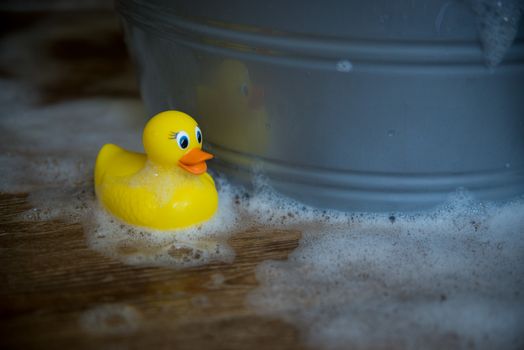
Why Toy Cleaning Matters More Than You Think
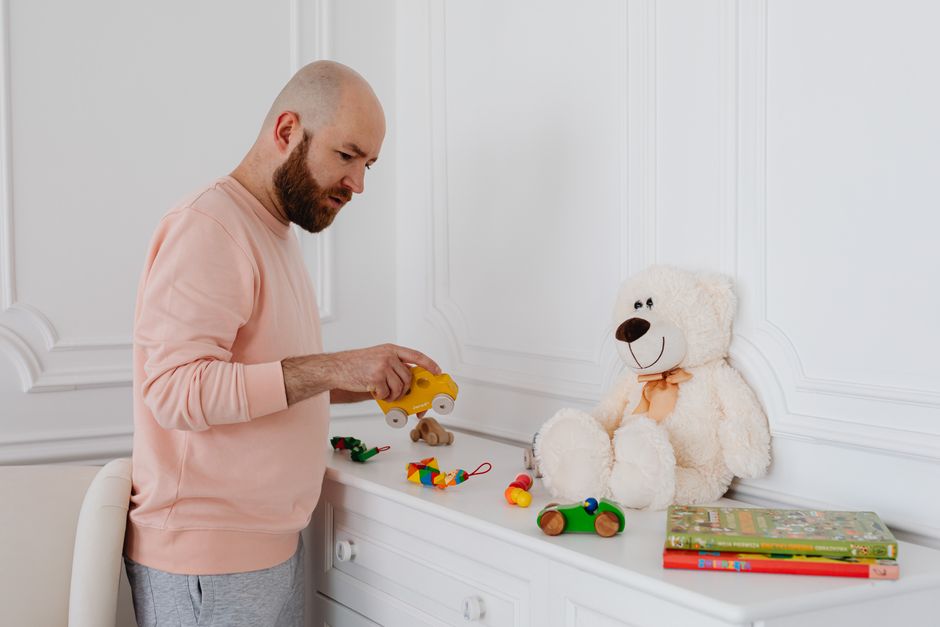
If you have children, you already know that toys end up everywhere — on the floor, in the backyard, in the bathtub, and, inevitably, in your child's mouth. What you may not realize is just how quickly germs accumulate on those beloved stuffed animals, building blocks, and bath squirters. Studies have shown that some toys can harbor more bacteria than a public toilet seat, and during cold and flu season, viruses can survive on hard plastic surfaces for hours or even days.
Cleaning and sanitizing kids' toys isn't about creating a sterile environment — that's neither possible nor desirable. It's about reducing the germ load enough to keep your family healthy while protecting the toys themselves from damage. This guide walks you through safe, effective methods for every type of toy, plus a practical schedule you can actually stick to.
Cleaning vs. Sanitizing vs. Disinfecting: Know the Difference
These three terms are often used interchangeably, but they mean different things:
- Cleaning removes visible dirt, dust, and grime, along with many germs, using soap and water. It's always the first step.
- Sanitizing reduces bacteria on a surface to a level considered safe by public health standards — usually by killing 99.9% of germs.
- Disinfecting kills nearly all germs (99.999% or more) but often uses harsher chemicals that may not be appropriate for items your child puts in their mouth.
For most everyday situations, cleaning followed by sanitizing is enough. Reserve disinfecting for when someone in the household has been sick, or after a toy has been used by a child with a contagious illness.
Gather Your Supplies
You don't need a cabinet full of specialty products. A few basics will handle almost every toy in your home:
- Mild dish soap or castile soap
- Warm water and a couple of clean basins or buckets
- White vinegar (a natural sanitizer and deodorizer)
- Baking soda (for scrubbing and odor removal)
- Isopropyl alcohol (70%) for hard plastic surfaces
- Microfiber cloths and soft-bristle brushes
- Spray bottle
- Mesh laundry bags for small parts
Avoid bleach on anything your child might mouth, and never mix bleach with vinegar or ammonia — the resulting fumes are dangerous.
How to Clean Toys by Material
Hard Plastic Toys (Blocks, Cars, Rattles)
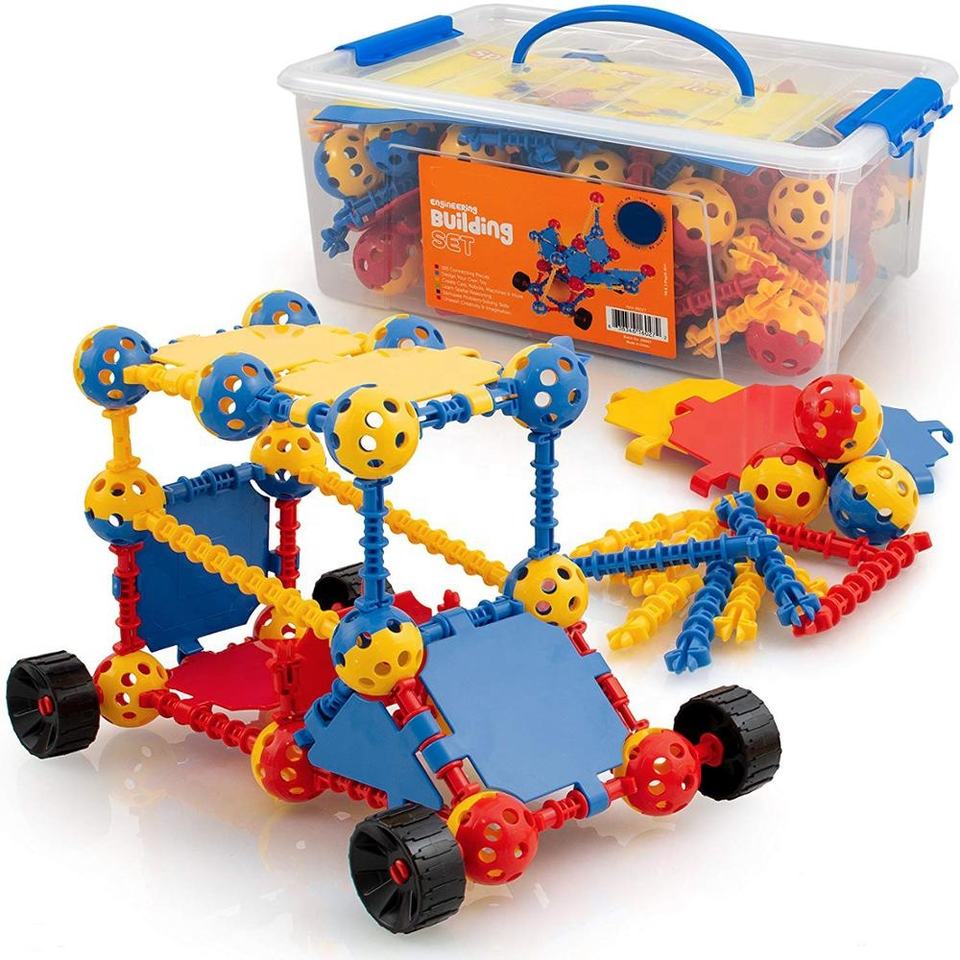
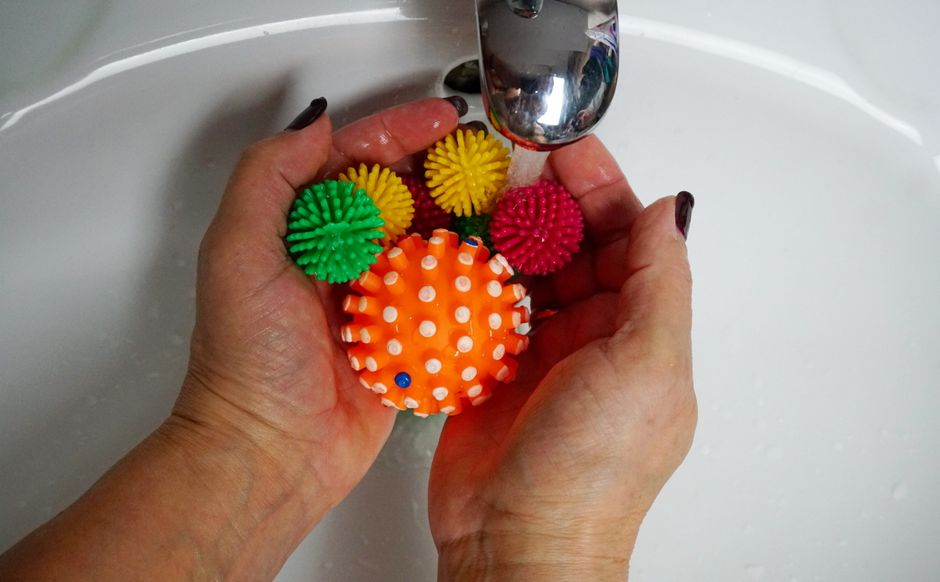
These are the easiest to clean. Fill a basin with warm water and a few drops of mild dish soap. Scrub each toy with a cloth or soft brush, paying attention to crevices and wheels. Rinse thoroughly, then sanitize by wiping with a 50/50 white vinegar and water solution or 70% isopropyl alcohol. Let air dry completely before returning them to the toy bin.
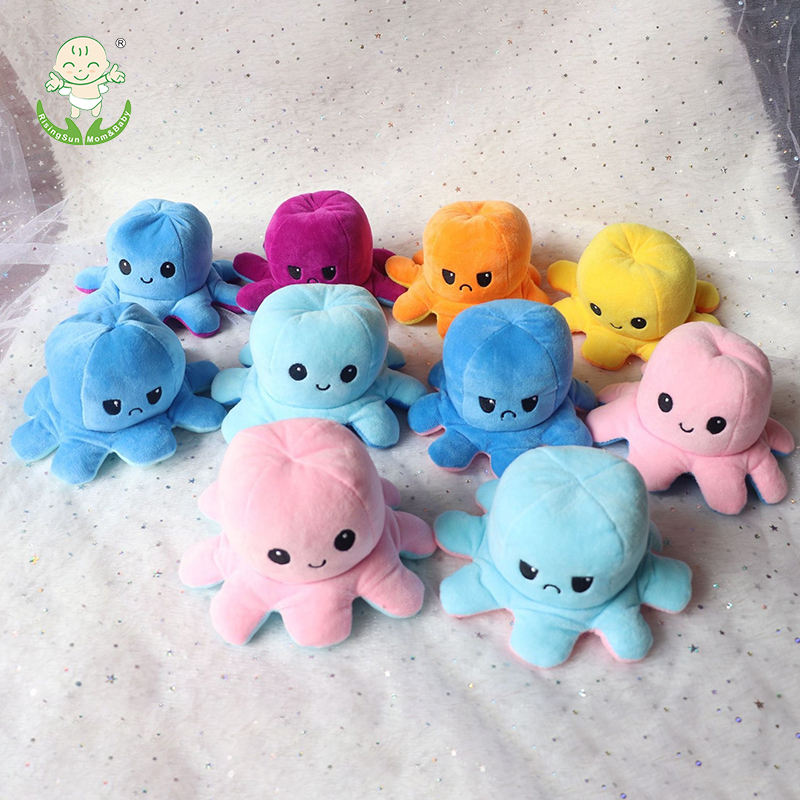
Stuffed Animals and Plush Toys
Check the care tag first. Most plush toys can go in the washing machine on a gentle cycle in a mesh bag, using warm water and a small amount of detergent. If the toy has electronic components, remove them if possible, or surface-clean instead. For machine-washable plushies, tumble dry on low or air dry. To refresh a stuffed animal without washing, sprinkle it with baking soda, let it sit for 15 minutes, then brush it off.
Bath Toys and Squirters
Bath toys are notorious for growing mold inside because water gets trapped in them. After each bath, squeeze out all water and let them dry in a well-ventilated spot. Once a week, soak them in a solution of one part white vinegar to four parts water for 10–15 minutes, then squeeze and rinse thoroughly. If you see black mold inside a squirter that won't come out, it's safest to throw it away.
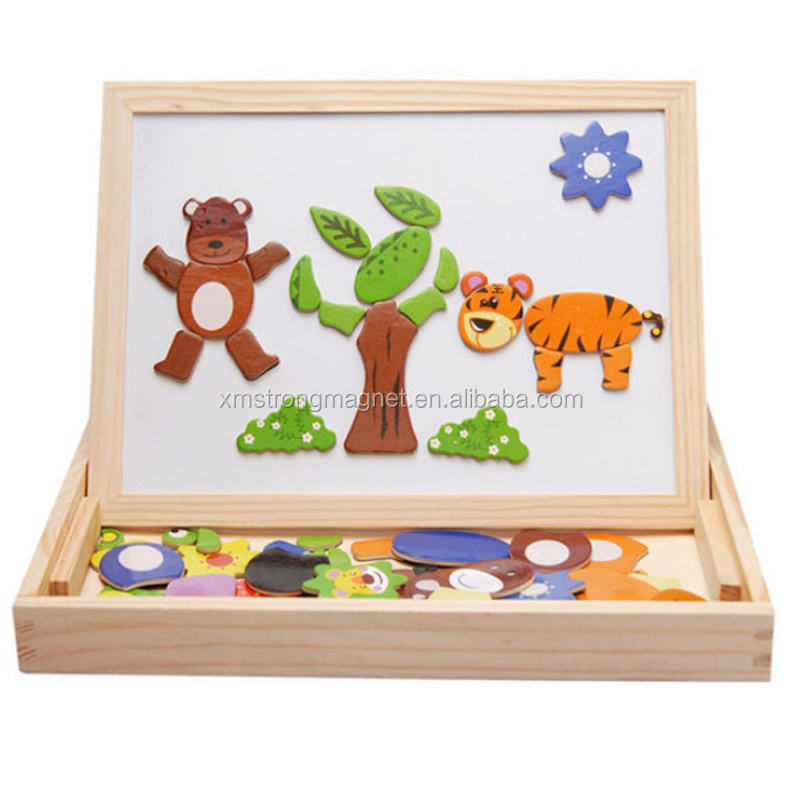
Wooden Toys
Never soak wooden toys — moisture can warp the wood and damage the finish. Instead, wipe them with a damp cloth dipped in mild soapy water, then dry immediately with a soft towel. For sanitizing, use a vinegar-and-water wipe rather than alcohol, which can strip finishes. Re-oil unpainted wooden toys occasionally with food-grade mineral oil or coconut oil.
Electronic and Battery-Operated Toys
Remove batteries before cleaning. Wipe surfaces with a slightly damp cloth — never submerge them. Use a cotton swab dipped in isopropyl alcohol to clean buttons and crevices. Allow everything to dry completely before reinstalling batteries.
Board Books and Paper Products
Wipe board books with a barely damp cloth and mild soap, then dry immediately. For paper books, sunlight is a surprisingly effective sanitizer — leave them in direct sun for a few hours. Avoid getting paper wet, which encourages mold.
A Simple Weekly Toy Cleaning Routine
| Frequency | What to Clean | Method |
|---|---|---|
| Daily | Bath toys, pacifiers, teethers | Rinse and air dry after each use |
| Weekly | Frequently mouthed toys, high chairs toys | Soap and water wash, vinegar sanitize |
| Biweekly | Plush toys, fabric books | Machine wash or baking soda refresh |
| Monthly | All hard toys, wooden toys | Deep clean and sanitize |
| As needed | Anything used by a sick child | Full clean and disinfect |
Natural Sanitizing Solutions You Can Make at Home
You don't need commercial sprays full of questionable ingredients. Try these DIY options:
- Vinegar spray: Mix equal parts white vinegar and water in a spray bottle. Great for hard plastic and wooden toys. The vinegar smell fades as it dries.
- Baking soda paste: Combine baking soda with a little water to form a paste. Perfect for scrubbing sticky residue or crayon marks off plastic toys.
- Hydrogen peroxide (3%): Effective against many germs and safe for most hard surfaces when used sparingly. Test on a small area first, as it can bleach fabrics.
- Castile soap solution: A few drops in warm water makes a gentle cleaner for nearly every toy type.
Safety Precautions to Keep in Mind
Always prioritize your child's safety when cleaning:
- Never use bleach, ammonia, or harsh disinfectants on toys your child mouths.
- Rinse all soap residue thoroughly — leftover detergent can irritate skin and mouths.
- Let toys dry completely before use to prevent mold and bacterial growth.
- Check toys for cracks, peeling paint, or loose parts after cleaning, and discard damaged items.
- Keep cleaning supplies locked away and out of reach during and after cleaning sessions.
- If a toy has been used by a sick child, isolate it until it can be properly cleaned and disinfected.
How Often Should You Really Clean Toys?
The honest answer depends on your child's age and habits. If you have an infant or toddler who puts everything in their mouth, aim to clean frequently used toys every day or two. For older children who no longer mouth toys, a weekly wipe-down of high-touch items and a monthly deep clean is generally sufficient. Daycares and playgroups should follow stricter schedules, cleaning shared toys daily.
During cold and flu season, or if someone in your home is sick, step up your routine. Clean and sanitize the toys your child uses most — especially those shared with siblings — every day until everyone is well.
Final Thoughts
Keeping kids' toys clean doesn't have to be a chore. With a handful of simple supplies and a consistent routine, you can significantly reduce the germs your family comes into contact with every day. Match your method to the material, avoid harsh chemicals on mouthable items, and always let toys dry completely. Your child gets a safer play environment, and you get peace of mind — a win for everyone.