Introduction
Material handling equipment is the backbone of efficient warehouse, manufacturing, and distribution operations. As we move into 2024, the landscape of material handling equipment is evolving rapidly with new technologies, sustainability concerns, and changing supply chain dynamics. Whether you're upgrading an existing facility or setting up a new one, choosing the right equipment is critical for productivity, safety, and cost-effectiveness. This buying guide will walk you through everything you need to know to make informed decisions in 2024.
Types of Material Handling Equipment
Material handling equipment encompasses a wide range of machines and systems designed to move, store, control, and protect materials throughout the supply chain. The main categories include:
- Storage and Handling Equipment: Racks, shelves, bins, and drawers for organized storage.
- Bulk Material Handling Equipment: Conveyors, stackers, and reclaimers for loose materials like grains, powders, and liquids.
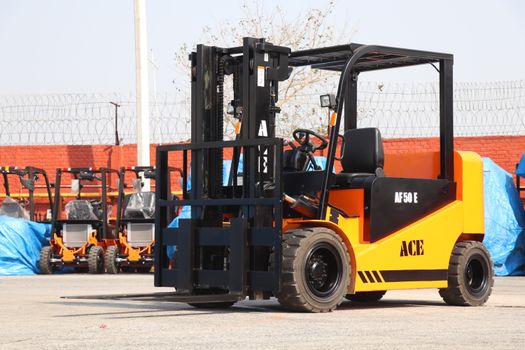
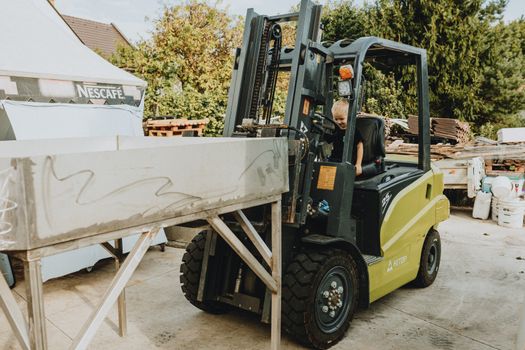
- Industrial Trucks: Forklifts, pallet jacks, and tow tractors for horizontal movement.
- Automated Systems: AS/RS (Automated Storage and Retrieval Systems), AGVs (Automated Guided Vehicles), and robotics.
- Engineered Systems: Custom-designed conveyor systems, sortation systems, and overhead cranes.
Each category serves specific purposes and comes with its own set of considerations. Understanding your operation's needs is the first step.
Key Factors to Consider Before Buying
1. Assess Your Needs
Start by analyzing your material flow, load characteristics (size, weight, shape), throughput requirements, and available space. Consider future growth—equipment that can scale with your business saves money in the long run.
2. Budget and Total Cost of Ownership
The purchase price is just the beginning. Factor in installation, training, maintenance, energy consumption, and potential downtime. Sometimes a higher upfront investment in automation yields significant long-term savings.
3. Safety and Compliance
Ensure equipment meets OSHA and ANSI standards. Safety features like proximity sensors, emergency stops, and ergonomic designs reduce accidents and liability.
4. Technology and Integration
In 2024, smart equipment with IoT connectivity, real-time tracking, and data analytics can provide valuable insights for optimizing operations. Consider how new equipment will integrate with your existing WMS, ERP, or other systems.
5. Sustainability
Energy-efficient electric forklifts, regenerative braking systems, and eco-friendly materials are increasingly important for meeting sustainability goals and reducing operational costs.
Top Trends in Material Handling Equipment for 2024
Automation and Robotics
The labor shortage and demand for faster fulfillment are driving adoption of robots for picking, packing, and palletizing. Collaborative robots (cobots) work alongside humans safely.
Electric and Hydrogen-Powered Equipment
Electric forklifts and other electric-powered material handling equipment are becoming more powerful and cost-effective. Hydrogen fuel cells offer longer runtimes and quick refueling for heavy-duty applications.
IoT and Data Analytics
Connected equipment provides real-time data on usage, performance, and maintenance needs, enabling predictive maintenance and better decision-making.
Modular and Flexible Systems
With supply chain volatility, businesses prefer equipment that can be easily reconfigured or expanded. Modular conveyor systems and flexible racking are in high demand.
Ergonomics and Safety Innovations
New designs focus on reducing operator fatigue and injury, with features like adjustable handles, vibration reduction, and advanced safety sensors.
How to Choose the Right Equipment
Step 1: Define Your Requirements
Create a detailed specification list including load capacities, travel distances, lift heights, and environmental conditions (e.g., cold storage, hazardous areas).
Step 2: Research Vendors
Look for reputable manufacturers with a track record in your industry. Read reviews, ask for references, and consider their after-sales support and parts availability.
Step 3: Request Demos and Trials
Whenever possible, test equipment in your facility or attend trade shows to see it in action. A demo can reveal ergonomic issues or performance gaps.
Step 4: Evaluate Financing Options
Consider leasing or renting to preserve capital, especially for expensive automation. Calculate ROI based on labor savings, efficiency gains, and error reduction.
Step 5: Plan for Maintenance and Training
Ensure you have a maintenance plan and that operators receive proper training. Poorly maintained equipment is a safety hazard and leads to costly downtime.
Cost Considerations and ROI
Material handling equipment can range from a few hundred dollars for a hand pallet jack to millions for a fully automated AS/RS. To justify the investment, calculate the total cost of ownership (TCO) and expected ROI. Factors to include:
- Initial purchase price
- Installation and integration costs
- Energy consumption
- Maintenance and repair
- Operator training
- Insurance and safety compliance
- Expected lifespan and resale value
Automation often has a higher upfront cost but can reduce labor costs by 50% or more and improve accuracy, leading to quick payback periods.
Maintenance and Safety Tips
Regular maintenance is essential to keep equipment running safely and efficiently. Follow these best practices:
- Implement a preventive maintenance schedule based on manufacturer recommendations.
- Keep records of all inspections, repairs, and parts replacements.
- Train operators on daily checks and safe operation.
- Use original or high-quality replacement parts.
- Address minor issues immediately to prevent major breakdowns.
Safety should be a top priority. Conduct regular safety audits, enforce speed limits, and ensure proper signage and pedestrian zones.
Future-Proofing Your Investment
Technology is advancing quickly. To future-proof your material handling equipment, consider:
- Scalability: Can the system be expanded or upgraded?
- Compatibility: Does it support standard interfaces and protocols?
- Vendor support: Will the manufacturer provide updates and support for years to come?
- Energy efficiency: Will it remain cost-effective as energy prices rise?
Investing in flexible, modular solutions can help you adapt to changing business needs without costly replacements.
Conclusion
Choosing the right material handling equipment in 2024 requires careful consideration of your operational needs, budget, safety requirements, and future trends. By following this guide, you can make informed decisions that boost productivity, reduce costs, and keep your workers safe. Remember to prioritize quality, support, and scalability to ensure your investment pays off for years to come.