1. Electric Forklifts and Loaders Replace Diesel Fleets
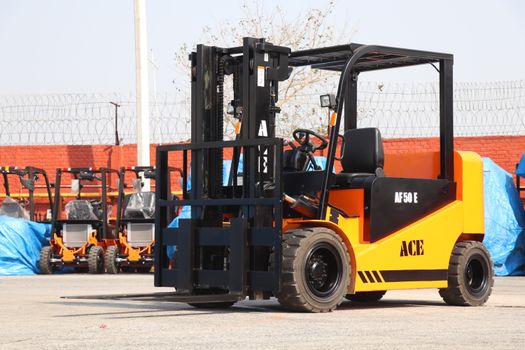
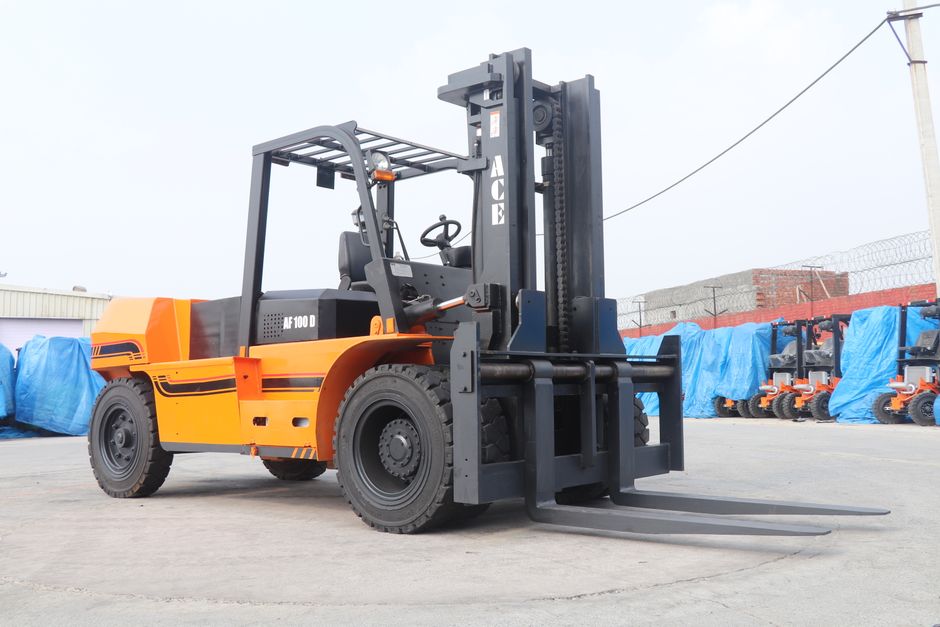
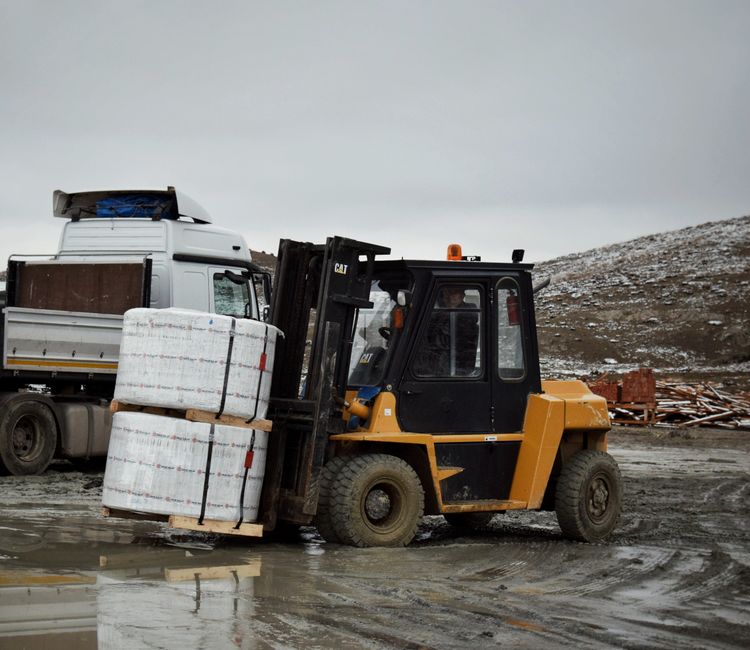
One of the most visible ways material handling companies are going green is the large-scale replacement of diesel-powered forklifts and loaders with electric alternatives. Lithium-ion battery technology has advanced to the point where electric forklifts can match or exceed the performance of internal combustion models across most warehouse and yard applications. Companies making the switch report lower fuel costs, reduced maintenance needs, and dramatically lower emissions inside facilities.
Beyond the equipment itself, forward-thinking firms are investing in fast-charging infrastructure and battery management systems that extend runtime and lifespan. Some operations pair electric fleets with on-site solar arrays, effectively powering their material handling equipment with renewable energy. This combination reduces both operating costs and carbon footprint, making it a cornerstone of any sustainability strategy.
2. Regenerative Braking and Energy Recovery Systems
Regenerative braking captures kinetic energy that would otherwise be lost as heat during deceleration and converts it back into usable electricity. In material handling, this technology is especially valuable for forklifts, reach trucks, and automated guided vehicles (AGVs) that stop and start frequently throughout the day. The recovered energy recharges batteries on the fly, extending shift runtime and reducing the frequency of charging cycles.
Companies adopting regenerative systems often see double-digit improvements in energy efficiency. When combined with telematics that track energy usage per vehicle, managers can identify inefficient operators and routes, further optimizing consumption. This is a relatively low-cost upgrade that delivers measurable sustainability gains and quick payback periods.
3. Sustainable Packaging and Reusable Containers
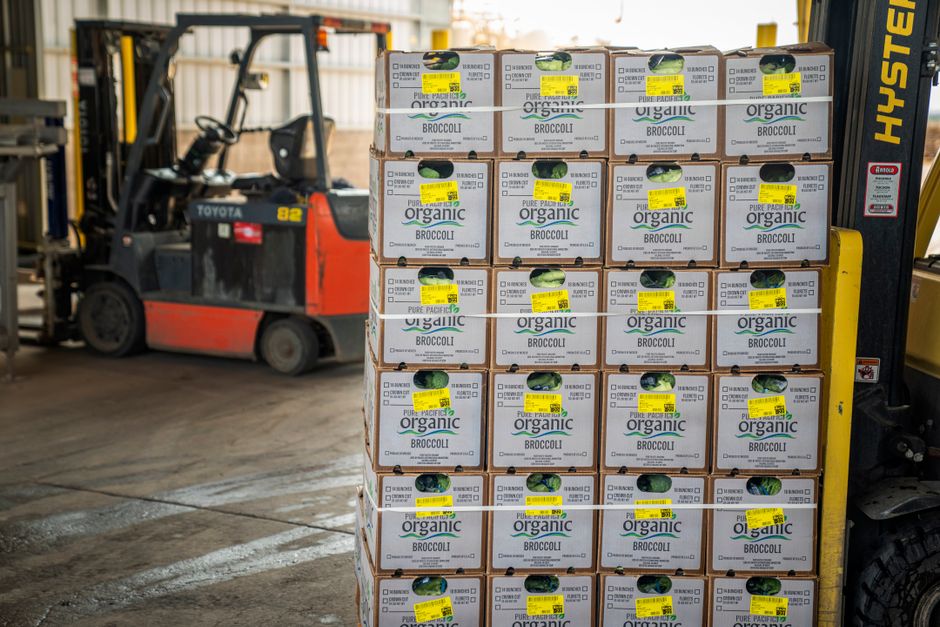
Material handling is deeply intertwined with packaging, and many companies are rethinking single-use cardboard and plastic wrap. Reusable plastic containers, collapsible totes, and returnable pallets reduce waste sent to landfills and lower the demand for virgin raw materials. These durable containers also protect products better, reducing damage rates and the associated waste.
Leading firms are designing closed-loop systems where containers circulate between suppliers, distribution centers, and customers. Tracking technologies like RFID make it easy to manage these returnable assets and ensure they come back into the loop. The result is a leaner, greener supply chain with fewer disposable materials and lower long-term packaging costs.
4. Warehouse Automation That Reduces Energy Waste
Automation is often framed as a labor story, but it is also a sustainability story. Automated storage and retrieval systems (AS/RS), robotic palletizers, and goods-to-person systems reduce unnecessary travel, optimize storage density, and cut the energy required to move goods. By minimizing empty trips and improving route efficiency, automation lowers overall power consumption per unit handled.
Smart warehouse management systems (WMS) can also schedule high-energy activities during off-peak hours when the grid is cleaner and rates are lower. Some facilities integrate demand-response programs, automatically reducing non-critical loads when the grid is stressed. These digital tools turn sustainability into an operational advantage rather than a compliance burden.
5. Solar-Powered Distribution Centers and Microgrids
Large distribution centers have expansive rooftops and often sit on sizable land parcels, making them ideal candidates for solar installations. Material handling companies are increasingly installing rooftop solar panels and, in some cases, on-site battery storage to create microgrids. These systems power conveyors, charging stations, lighting, and HVAC, reducing reliance on fossil-fuel-generated electricity.
Microgrids also improve resilience. When severe weather or grid outages occur, facilities with on-site generation can keep critical material handling operations running. This dual benefit of sustainability and business continuity is driving rapid adoption across the logistics sector. Companies that invest early often qualify for tax incentives and rebates, improving the financial case.
6. Circular Economy Partnerships and Equipment Remanufacturing
Going green is not just about buying new equipment; it is also about extending the life of existing assets. Many material handling companies now partner with remanufacturers to refurbish forklifts, conveyors, and pallet jacks, replacing worn components and returning equipment to like-new condition. Remanufacturing consumes far less energy and raw material than building new machines from scratch.
Circular economy partnerships also cover battery recycling, metal recovery, and component take-back programs. By keeping materials in use for as long as possible, companies reduce landfill waste and lower their Scope 3 emissions. These partnerships often come with cost savings, as refurbished equipment can be 30–50% cheaper than new while delivering comparable performance.
7. Measuring, Reporting, and Setting Science-Based Targets
Sustainability claims mean little without measurement. Leading material handling companies are adopting science-based targets (SBTs) aligned with the Paris Agreement, tracking Scope 1, 2, and 3 emissions across their operations and supply chains. They publish annual sustainability reports, submit data to CDP, and undergo third-party audits to ensure credibility.
Data is collected through telematics, energy meters, and fleet management software, then analyzed to identify reduction opportunities. Companies use this data to set interim milestones, adjust strategies, and communicate progress to customers, investors, and employees. Transparent reporting builds trust and positions the business as a preferred partner for environmentally conscious clients.
8. Training Workers and Building a Green Culture
Technology alone will not make material handling sustainable; people drive the change. Companies are investing in training programs that teach operators how to drive efficiently, minimize idling, and properly maintain equipment to extend its life. Simple behavioral changes, like turning off conveyors during breaks or consolidating loads, can add up to significant energy savings across a large facility.
A green culture also encourages employees to suggest improvements, from better recycling stations to route optimizations. Recognition programs and sustainability incentives keep engagement high. When workers feel ownership of environmental goals, sustainability becomes part of daily operations rather than a top-down mandate.
9. Choosing Suppliers with Strong ESG Credentials
Material handling companies do not operate in isolation; their sustainability performance depends heavily on suppliers. Procurement teams are increasingly evaluating vendors on environmental, social, and governance (ESG) criteria, favoring those with low-carbon manufacturing, ethical labor practices, and transparent supply chains. This shift pressures the entire industry to improve.
Supplier scorecards now include metrics such as recycled content, energy intensity, and packaging waste. Companies that embed ESG requirements into contracts and audits reduce risk and improve their own sustainability ratings. Over time, this creates a ripple effect that elevates environmental standards across the material handling ecosystem.
10. The Business Case for Going Green
Sustainability is no longer just a moral imperative; it is a competitive advantage. Material handling companies that go green benefit from lower energy and fuel costs, reduced regulatory risk, stronger brand reputation, and better access to financing. Many large customers now require sustainability disclosures as a condition of doing business, making green practices a commercial necessity.
Early adopters are also attracting top talent, particularly younger workers who prioritize purpose-driven employers. As technology improves and costs fall, the gap between green and conventional operations will continue to widen. The companies that act now will be best positioned to lead the material handling industry into a low-carbon future.
| Strategy | Primary Benefit | Typical Payback |
|---|---|---|
| Electric forklifts | Lower emissions and fuel costs | 1–3 years |
| Regenerative braking | Extended battery runtime | Under 1 year |
| Reusable packaging | Waste reduction | 1–2 years |
| Solar microgrids | Energy independence | 4–7 years |
| Remanufacturing | Cost and material savings | Immediate |