Automated Guided Vehicles (AGVs) are transforming material handling across industries, from manufacturing to warehousing. If you're new to AGVs, this FAQ-style guide will answer your most pressing questions.
What is an AGV?
An AGV, or Automated Guided Vehicle, is a mobile robot that navigates autonomously within a facility to transport materials, goods, or equipment. Unlike manual carts or forklifts, AGVs follow predefined paths or use advanced navigation systems to move without human intervention.
AGVs are commonly used in warehouses, manufacturing plants, hospitals, and distribution centers to streamline logistics, reduce labor costs, and improve safety. They can be configured for various tasks, such as pallet handling, towing, and unit-load transport.
How do AGVs navigate?
AGVs use a combination of sensors, cameras, and software to navigate. Traditional AGVs follow physical guides like magnetic tape, wires, or reflective markers on the floor. These are reliable but require infrastructure changes.
Modern AGVs often use laser scanners, LiDAR, or vision-based systems to map the environment and navigate dynamically. This allows for greater flexibility, as paths can be easily changed via software without physical modifications. Some AGVs also use SLAM (Simultaneous Localization and Mapping) to operate in complex, changing environments.
What are the different types of AGVs?
AGVs come in various designs to suit different material handling needs. Common types include:
- Towing AGVs: Pull trailers or carts for long-distance transport.
- Unit Load AGVs: Carry pallets, racks, or containers as a single unit.
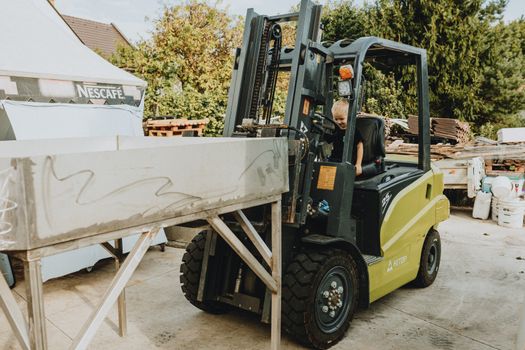
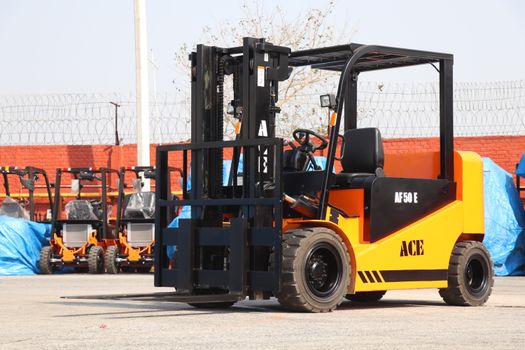
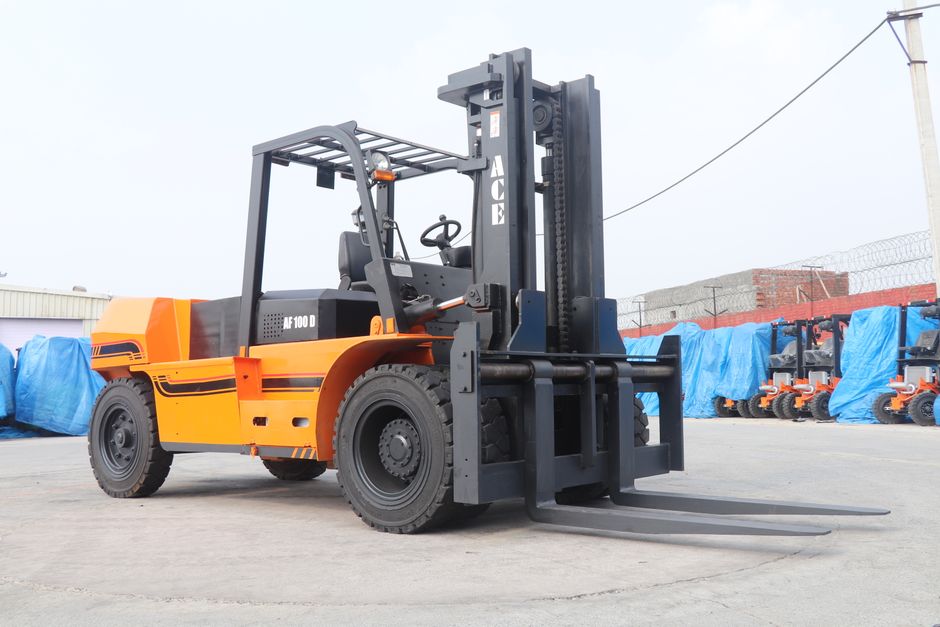
- Forklift AGVs: Equipped with forks to lift and move pallets.
- Assembly Line AGVs: Used in manufacturing to move products along assembly lines.
- Light Load AGVs: Handle small parts or totes, often in e-commerce.
Each type is designed for specific load capacities, speeds, and environments. Choosing the right type depends on your application, load size, and facility layout.
What are the benefits of using AGVs?
AGVs offer numerous benefits, including increased efficiency, reduced labor costs, and improved workplace safety. They can operate 24/7 without breaks, reducing downtime and increasing throughput. AGVs also minimize product damage and errors associated with manual handling.
Additionally, AGVs can be integrated with warehouse management systems (WMS) and other automation technologies, providing real-time data for better decision-making. They are especially valuable in repetitive, high-volume tasks where consistency is critical.
How much do AGVs cost?
The cost of an AGV varies widely based on type, load capacity, navigation technology, and customization. Entry-level AGVs might start around $10,000, while advanced systems with complex navigation and high payloads can exceed $100,000 per unit.
Beyond the initial purchase, consider costs for installation, maintenance, and integration with existing systems. However, many businesses achieve ROI within 1-3 years through labor savings and efficiency gains.
Are AGVs safe to use?
Yes, AGVs are designed with safety as a top priority. They are equipped with sensors, emergency stop buttons, and obstacle detection systems to avoid collisions. Many AGVs comply with safety standards such as ANSI/RIA R15.08 and ISO 3691-4.
Proper training for personnel working around AGVs is essential. Facilities should also implement traffic rules and designated AGV paths to ensure smooth and safe operations. Regular maintenance and safety audits further reduce risks.
How do AGVs differ from AMRs?
AGVs and AMRs (Autonomous Mobile Robots) are both used for material handling, but they differ in navigation and flexibility. AGVs typically follow fixed paths using guides like magnetic tape or rails, while AMRs use advanced sensors and AI to navigate dynamically and avoid obstacles.
AMRs are more adaptable to changing environments and can reroute themselves, making them suitable for dynamic warehouses. AGVs are often more cost-effective for repetitive, fixed-path tasks. The choice depends on your specific needs and budget.
What industries use AGVs?
AGVs are used in a wide range of industries, including manufacturing, warehousing, logistics, healthcare, and even hospitality. In manufacturing, they transport raw materials and finished goods. In warehouses, they move pallets and totes for order fulfillment.
Hospitals use AGVs to deliver meals, linens, and medications, reducing staff workload. The automotive and electronics industries rely heavily on AGVs for assembly lines. As technology advances, new applications continue to emerge.
How do I choose the right AGV for my business?
Selecting the right AGV involves assessing your material handling needs, facility layout, and budget. Consider factors like load capacity, travel distance, navigation requirements, and integration with existing systems. It's also important to evaluate the total cost of ownership, including maintenance and scalability.
Consulting with an AGV supplier or integrator can help you identify the best solution. Many providers offer simulations and trials to test performance before committing. Start with a pilot project to validate the benefits and then scale up as needed.
What is the future of AGV technology?
The future of AGVs is closely tied to advancements in AI, IoT, and robotics. We can expect more intelligent AGVs with enhanced perception, decision-making, and collaboration capabilities. Swarm robotics, where multiple AGVs work together, is also on the horizon.
As e-commerce and just-in-time manufacturing grow, demand for flexible and efficient material handling will drive innovation. AGVs will become more affordable, easier to deploy, and seamlessly integrated into smart factories and warehouses.