How to Reduce Chemical Raw Material Costs Effectively
In the competitive world of chemical manufacturing, raw material costs can account for 50-70% of total production expenses. Fluctuating oil prices, supply chain disruptions, and geopolitical tensions make it increasingly challenging to maintain stable profit margins. This comprehensive guide explores proven strategies to reduce chemical raw material costs without compromising quality or compliance.

1. Strategic Sourcing and Supplier Management
Effective sourcing is the cornerstone of cost reduction. Start by diversifying your supplier base to avoid over-reliance on a single source. Conduct regular market analyses to identify new entrants and alternative materials. Negotiate long-term contracts with volume discounts, but include flexibility clauses to adapt to market changes.
Leverage Global Sourcing
Emerging markets often offer competitive pricing. However, factor in logistics, tariffs, and quality risks. Consider establishing regional distribution hubs to reduce lead times and inventory costs.
Supplier Collaboration
Build strategic partnerships with key suppliers. Share demand forecasts to help them plan production, potentially securing better pricing. Joint process improvements can also lower costs for both parties.
2. Optimize Inventory Management
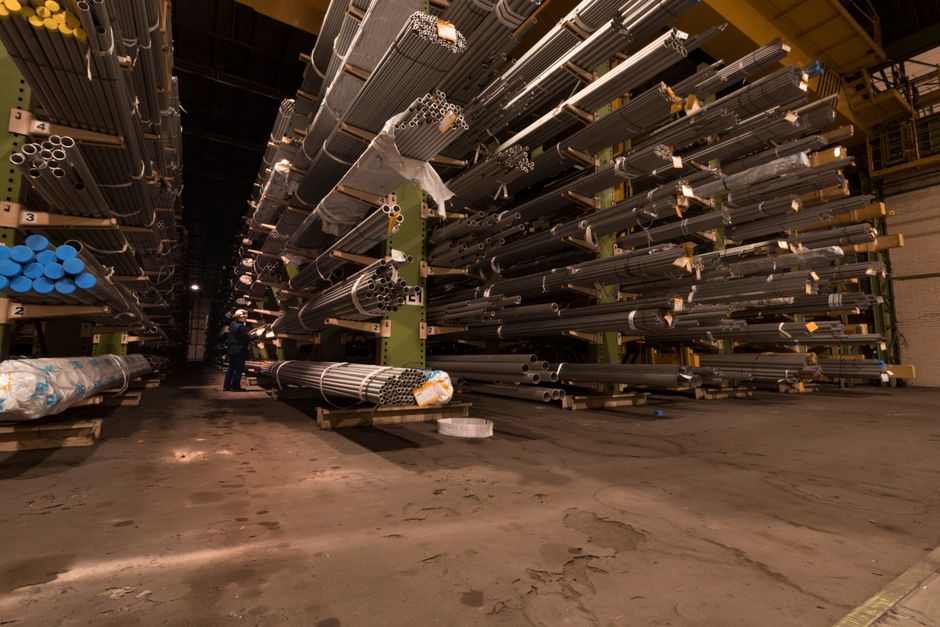
Excess inventory ties up capital and increases storage costs, while shortages disrupt production. Implement just-in-time (JIT) inventory systems where feasible, but maintain safety stock for critical materials. Use ABC analysis to categorize materials based on value and consumption frequency, focusing management efforts on high-value items.
Demand Forecasting
Accurate demand forecasting reduces the need for emergency purchases at premium prices. Utilize historical data and market trends to predict requirements.
Vendor-Managed Inventory (VMI)
Let suppliers manage your inventory levels for certain materials. This shifts carrying costs to the supplier and often results in lower prices due to optimized logistics.
3. Process Optimization and Waste Reduction
Improving production efficiency directly reduces raw material consumption. Conduct a thorough process audit to identify inefficiencies, such as excessive waste, rework, or over-processing.
Lean Manufacturing Principles
Apply lean methodologies to eliminate non-value-added steps. Six Sigma can help reduce variability, leading to more consistent product quality and less waste.
Recycling and By-Product Utilization
Explore opportunities to recycle solvents, catalysts, and other materials. By-products from one process may serve as raw materials for another, creating a circular economy within your facility.
4. Alternative Materials and Formulation Optimization
Sometimes, significant savings can be achieved by reformulating products to use cheaper, equally effective raw materials. Work with your R&D team to evaluate alternatives.
Material Substitution
Identify materials that can be replaced with lower-cost options without compromising performance. Ensure compliance with industry standards and customer specifications.
Value Engineering
Systematically analyze product designs to reduce material usage while maintaining functionality. This can lead to reduced quantities of expensive raw materials.
5. Price Risk Management
Chemical raw material prices are volatile. Implement hedging strategies using futures contracts or options to lock in prices. Alternatively, negotiate fixed-price contracts for a portion of your needs to provide budget certainty.
Market Intelligence
Stay informed about market dynamics, including supply and demand, regulatory changes, and geopolitical events. Early warnings allow you to adjust purchasing strategies proactively.
6. Technology and Automation
Investing in technology can yield long-term cost savings. Enterprise Resource Planning (ERP) systems provide real-time visibility into inventory and purchasing. Automation in production reduces labor costs and material waste.
Data Analytics
Use data analytics to identify cost drivers and opportunities. Predictive analytics can forecast price trends and optimize purchase timing.
7. Negotiation Tactics
Effective negotiation is an art. Prepare thoroughly by understanding your supplier's cost structure and your own leverage. Consider total cost of ownership, not just unit price. Ask for volume discounts, early payment discounts, or extended payment terms.
Consolidate Purchases
Pool purchases across departments or business units to increase bargaining power. Standardize specifications where possible to enable bulk buying.
8. Regulatory and Compliance Considerations
While reducing costs, never compromise on regulatory compliance. Ensure alternative materials meet REACH, TSCA, and other relevant regulations. Non-compliance can lead to fines, legal issues, and reputational damage.
9. Case Study: Successful Cost Reduction
A mid-sized specialty chemicals company implemented a combination of strategic sourcing, inventory optimization, and process improvements. Over 18 months, they reduced raw material costs by 15% while maintaining product quality. Key actions included consolidating suppliers from 20 to 8, implementing VMI for top 10 materials, and recycling 90% of solvents.
10. Conclusion
Reducing chemical raw material costs requires a multifaceted approach. By focusing on strategic sourcing, inventory management, process optimization, and technology, companies can achieve significant savings. Remember that cost reduction is an ongoing process—continuously monitor, evaluate, and improve your strategies to stay competitive.
| Strategy |
Potential Cost Reduction |
Implementation Complexity |
| Strategic Sourcing |
5-15% |
Medium |
| Inventory Optimization |
3-8% |
Low |
| Process Optimization |
5-20% |
High |
| Material Substitution |
10-30% |
High |
| Price Risk Management |
2-10% |
Medium |
Implement these strategies tailored to your specific operations to achieve sustainable cost reductions and enhance your competitive edge in the chemical industry.
 English
 简体中文
简体中文 Русский
 Español
 Deutsch