 English
 简体中文
简体中文 Русский
 Español
 Deutsch
Sourcing, quality control and dispatch
Grade matching, incoming inspection, documentation, batch analysis and export packing under one quality process.
Five stages, each closing on a released checkpoint
Specification and grade matching
The application, the required assay, the limits that matter and the destination are reviewed before anything is committed to the order.
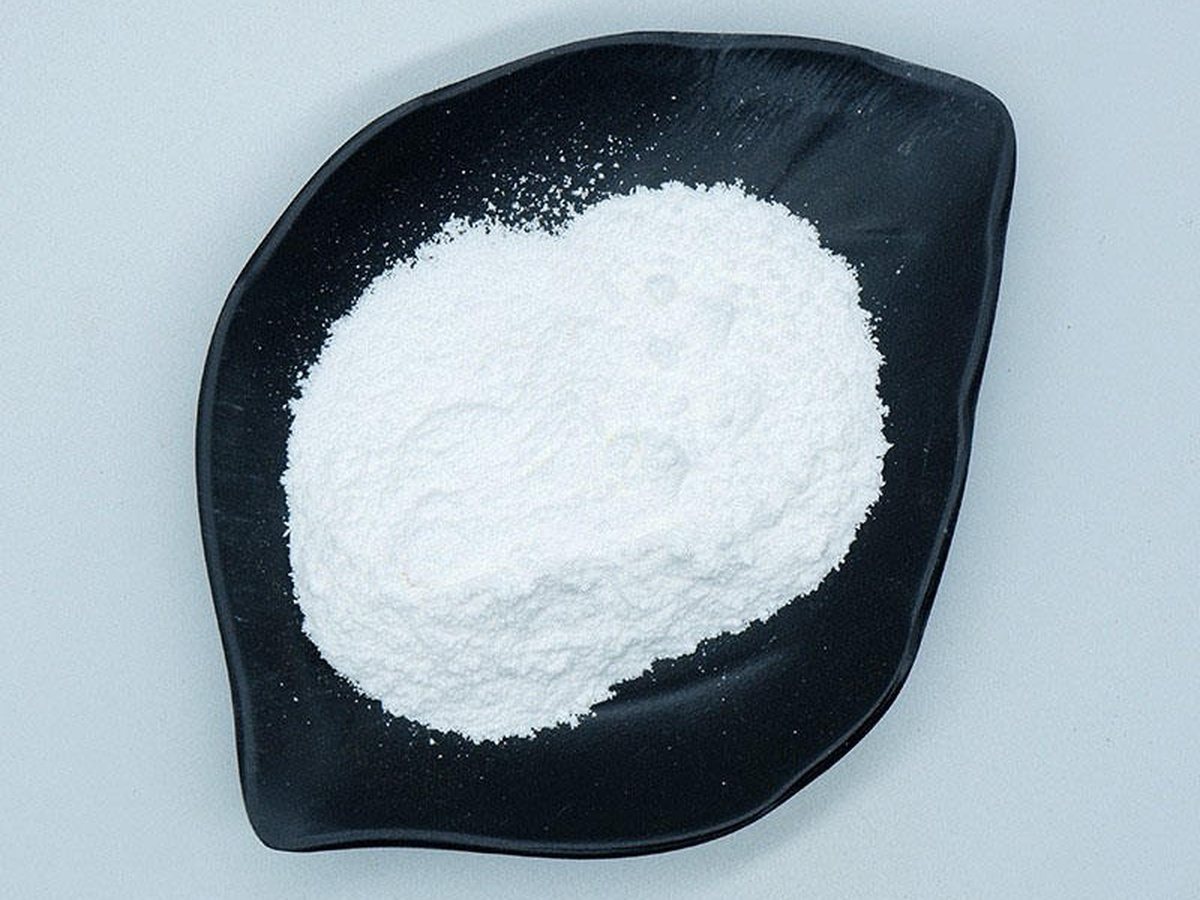
Incoming inspection
Each delivery is checked on receipt for identity, quantity, packing condition and the lot number against the order.
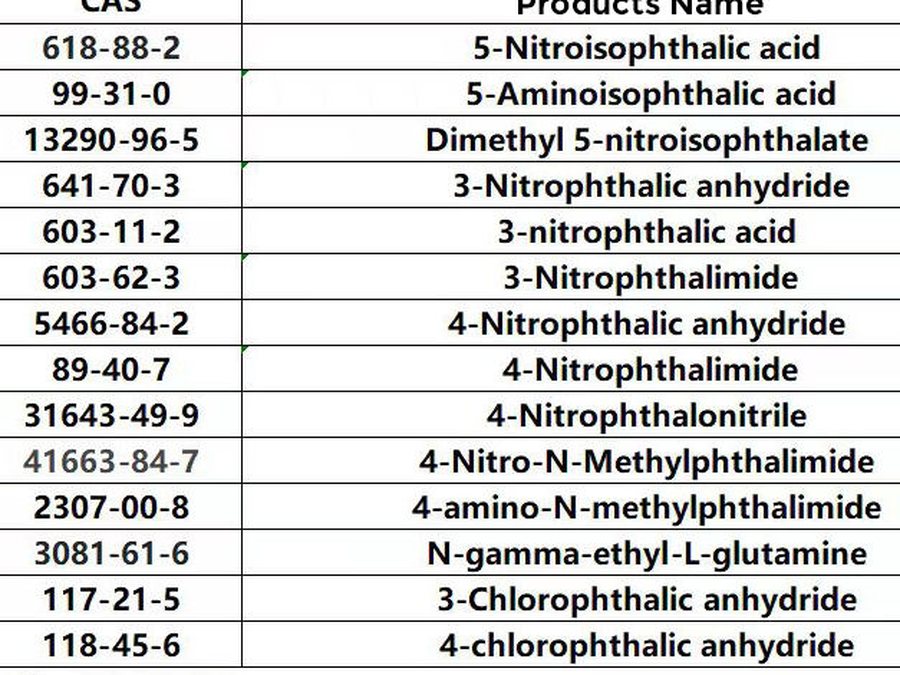
Documentation
The technical data sheet, certificate of analysis and safety data are assembled per order and prepared for the destination market.
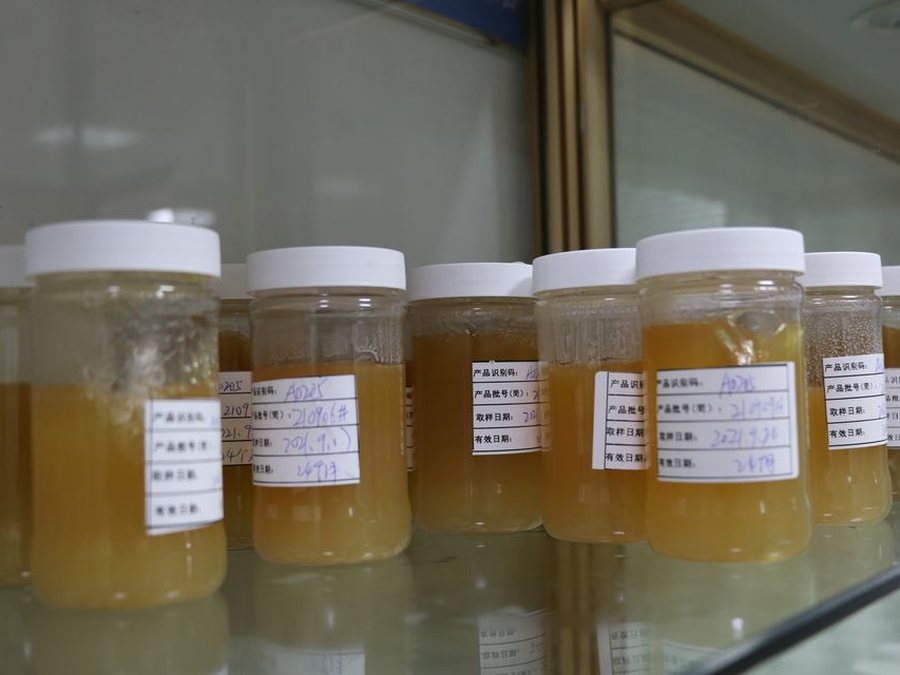
Batch analysis
The batch is analysed against the agreed specification and the result is recorded before the certificate is issued.
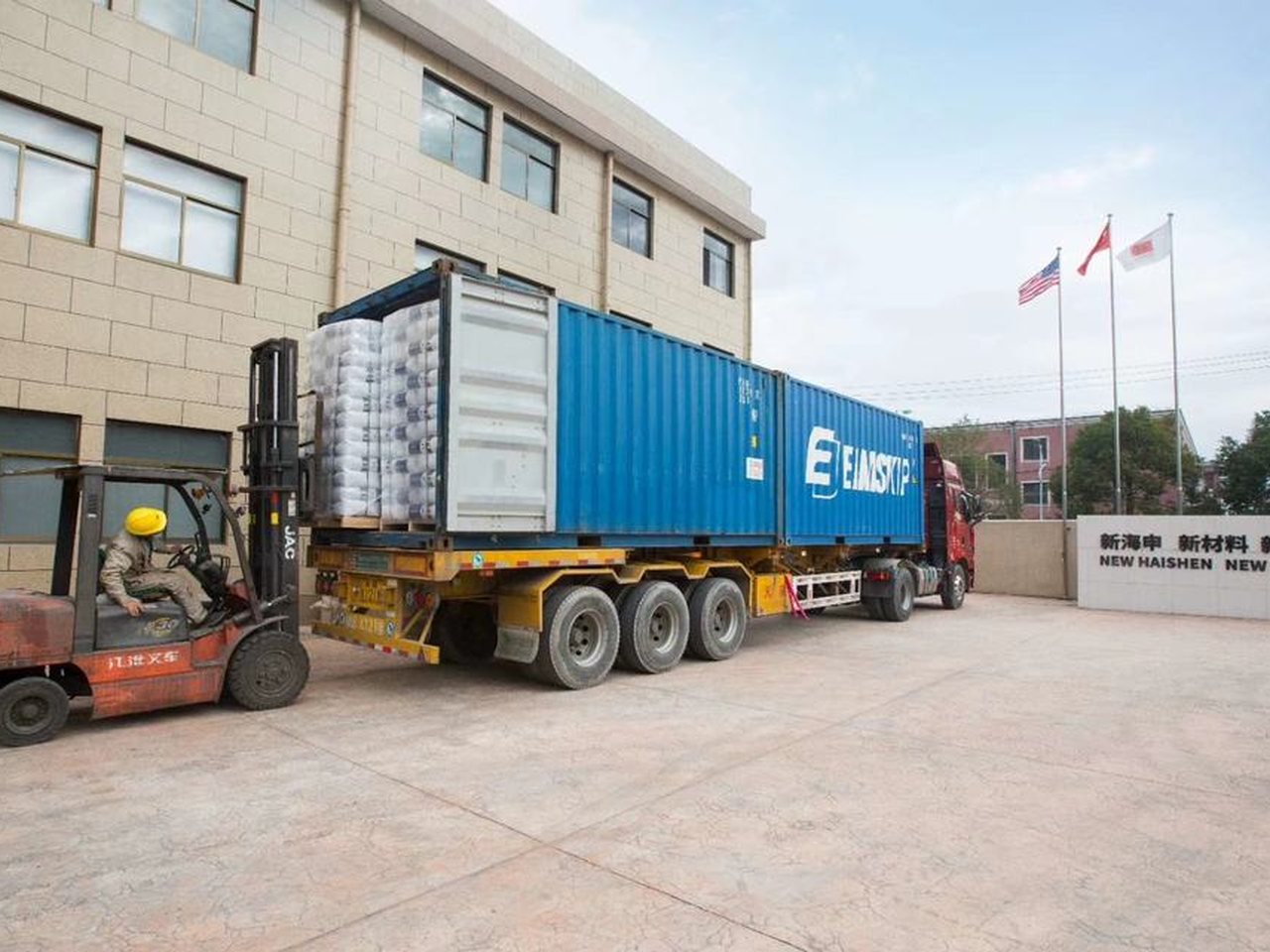
Packing and dispatch
The agreed format is filled, sealed and labelled to the order, and the documents are packed so they travel with the goods.
What can be adapted to a programme
What the supply desk covers
Processing, blending and packing against one specification
Our processing scope covers the operations that turn a bulk chemical into the grade a customer can actually feed into a line: blending, milling, sieving, drying, repacking and private-label filling. Each step follows the agreed specification rather than a generic datasheet.
Capabilities
- Blending and formulation. Blends to your recipe, including anti-caking, buffering and dilution to a target assay.
- Milling and sieving. Particle size matched to a requested mesh range, with the screen used recorded on the batch record.
- Drying. Moisture brought inside the limit stated for the grade.
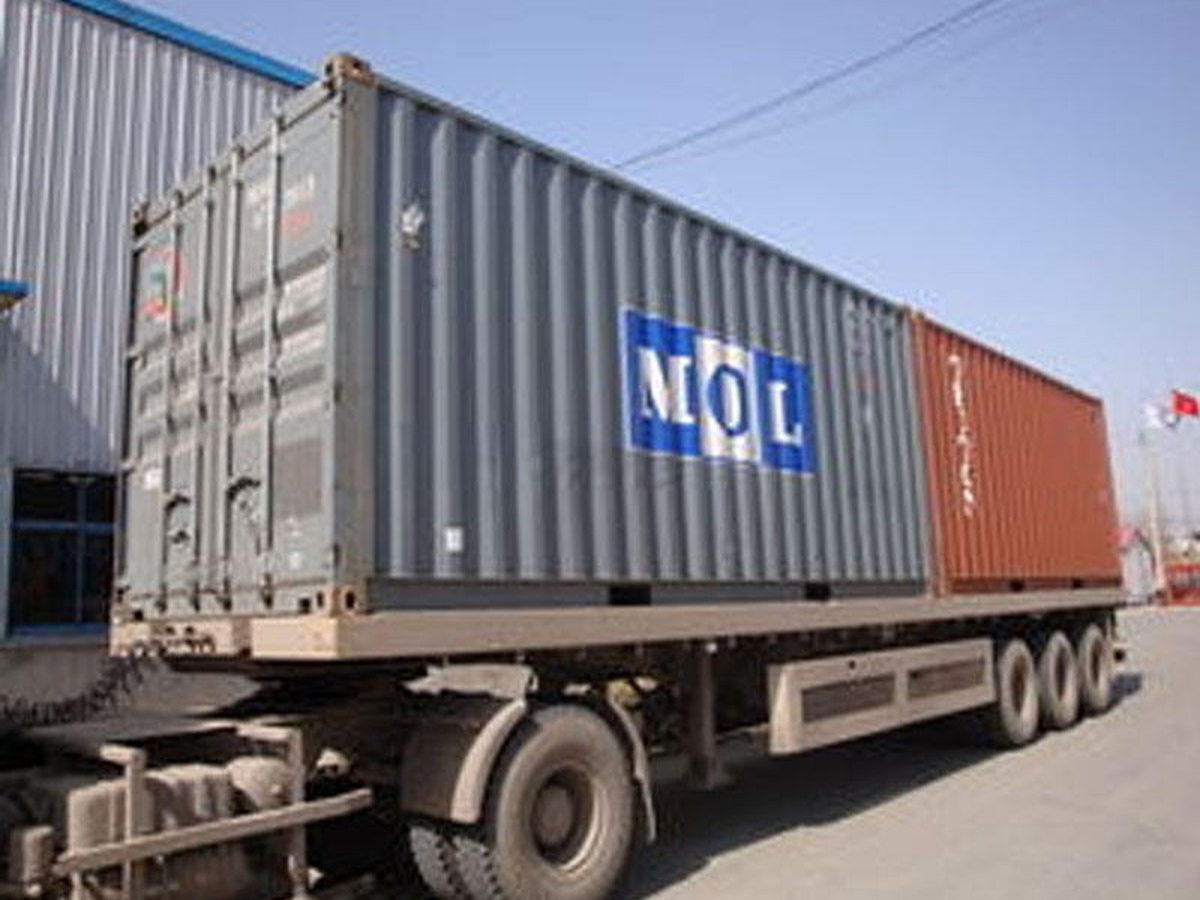
- Repacking and private label. 1 kg sample bags, 25 kg woven or paper bags, fibre drums and 1000 kg IBC containers, printed with your brand where required.
Quality control
- Incoming material verified against the supplier certificate before it is released to processing
- In-process checks at blending and milling, not only at the end of the line
- Retention samples kept per batch, so a claim can be checked against the material actually shipped
- A batch-specific certificate of analysis issued with the shipment
Traceability
Every batch carries a lot number that appears on the bag, the certificate of analysis and the packing list, so a receiving plant can trace a delivery back to its production record. Technical data sheets and, where the grade requires one, safety data sheets are supplied with the goods rather than on request.
Order sizes
Evaluation quantities for laboratory work, trial quantities for a first production run and container loads for scheduled supply are handled through the same specification and the same documentation.
Need the certificate or the packing statement?
Certificates of analysis, technical data and packing statements are shared with qualified buyers on request.