
 English
 简体中文
简体中文 Русский
 Español
 Deutsch
Yoga Hammock vs Inversion Table: Which Is Better?
Yoga hammock vs inversion table compared: benefits, costs, safety, and effectiveness for back pain. Find out which option is best for you.
Yoga Hammock vs Inversion Table: Which Is Better?
If you're dealing with back pain, poor posture, or simply want to decompress your spine after long hours at a desk, you've probably come across two popular solutions: the yoga hammock and the inversion table. Both promise spinal decompression, better flexibility, and relief from tension — but they work in fundamentally different ways. In this comparison, we'll break down how each option performs, who it's best for, and which one deserves a spot in your home.
What Is a Yoga Hammock?
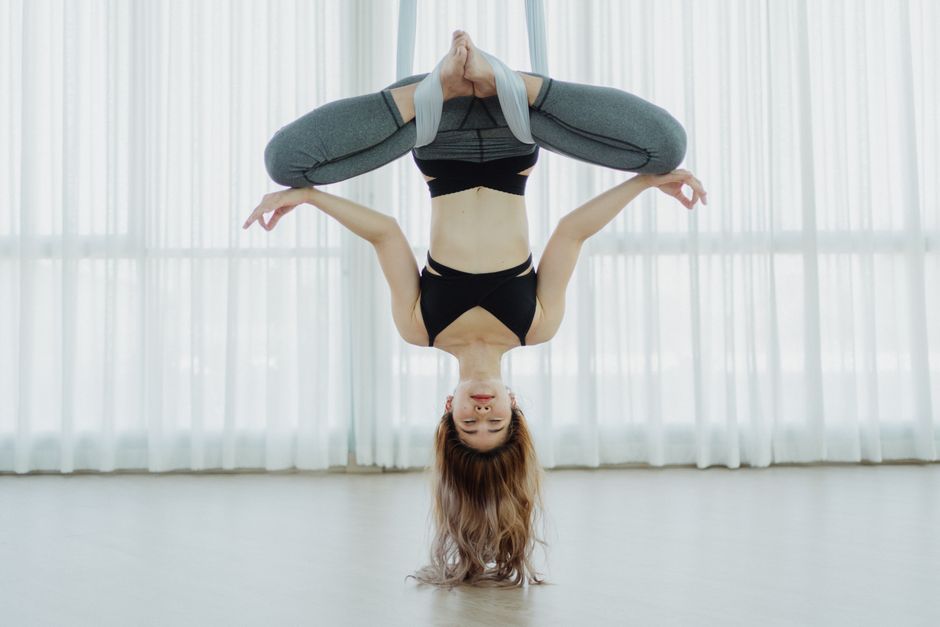
A yoga hammock (also called an aerial yoga hammock or swing) is a soft, fabric sling suspended from the ceiling or a sturdy frame. It supports your body weight while you perform poses that gently traction the spine, open the hips, and build core strength. Because the fabric cradles you, you can hang upside down with far less pressure on your joints than you'd experience on a rigid device.
Key benefits include:
- Passive spinal decompression through supported inversions
- Improved flexibility and range of motion
- Core and upper-body strengthening
- Low-impact, joint-friendly movement
- Fun, varied workouts that keep you motivated
What Is an Inversion Table?
An inversion table is a padded board with ankle restraints that rotates you backward into an inverted position. You control the angle, from a slight tilt to a full 90-degree hang. The goal is to reverse the compressive forces of gravity on your spine, creating space between vertebrae and relieving pressure on discs and nerves.
Key benefits include:
- Targeted spinal decompression
- Relief from disc pressure and sciatica symptoms
- Simple, passive use — just lie back and rotate
- Adjustable inversion angles for beginners
- Compact footprint compared to some home gym equipment
Head-to-Head Comparison
| Feature | Yoga Hammock | Inversion Table |
|---|---|---|
| Primary Purpose | Full-body movement, flexibility, decompression | Focused spinal decompression |
| Installation | Requires ceiling mounts or a stand | Freestanding, folds for storage |
| Space Needed | Moderate to large (swing radius) | Small to moderate |
| Skill Level | Beginner to advanced (guidance recommended) | Beginner-friendly |
| Muscle Engagement | Active — core, arms, legs | Passive — mostly relaxation |
| Spinal Decompression | Gentle, supported | Strong, gravity-driven |
| Cost | $80–$300 plus mounting hardware | $100–$400 |
| Portability | Low (fixed installation) | High (folds away) |
| Best For | Flexibility, fun workouts, mild back tension | Chronic back pain, disc issues |
Effectiveness for Back Pain
If your primary goal is relieving back pain, the inversion table has a slight edge. Its design specifically targets the spine, and the full-body traction can create measurable disc separation. Many users report immediate relief after just a few minutes of inversion.
That said, the yoga hammock isn't far behind. Supported inversions in a hammock offer gentler traction and let you control the intensity. Because you're actively engaging muscles, you also build strength that supports your spine long-term — something a passive inversion table can't do.
Safety Considerations
Both tools carry risks if used incorrectly. With an inversion table, sudden full inversion can spike blood pressure and cause dizziness; people with hypertension, glaucoma, or heart conditions should consult a doctor first. A yoga hammock requires proper anchoring and instruction — an improperly mounted hammock is a serious hazard. Beginners should always work with a qualified teacher or follow a structured program.
Which Should You Choose?
Your decision comes down to your goals and lifestyle:
- Choose a yoga hammock if: You want a versatile, fun tool that improves flexibility, builds strength, and offers gentle decompression. It's ideal if you enjoy movement-based practice and have the ceiling height and structure to install it.
- Choose an inversion table if: You have specific back pain or disc issues, want a simple passive routine, and need something that folds away in a small space.
Our Recommendation
For most people seeking general wellness, flexibility, and a sustainable home practice, the yoga hammock is the better all-around choice. It delivers decompression benefits while also strengthening your body — a two-for-one that an inversion table can't match. However, if your doctor has recommended spinal traction for a diagnosed condition, an inversion table is the more targeted, clinically recognized option.
Ideally, the two aren't mutually exclusive. Many enthusiasts use an inversion table for quick daily decompression and a yoga hammock for fuller, more enjoyable workouts. Whichever you pick, consistency matters more than the tool itself — a few minutes a day can transform how your back feels.
Share your market, quantities and rigging situation — we reply with a sample plan and timeline.