Why Test Equipment Maintenance Matters More Than Ever
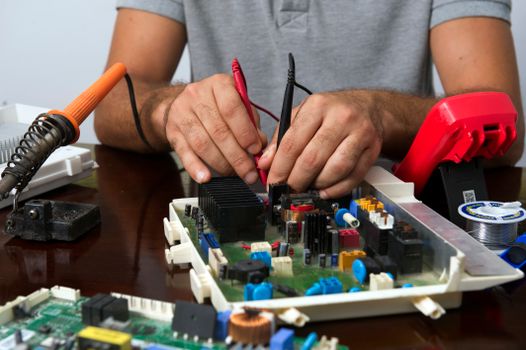
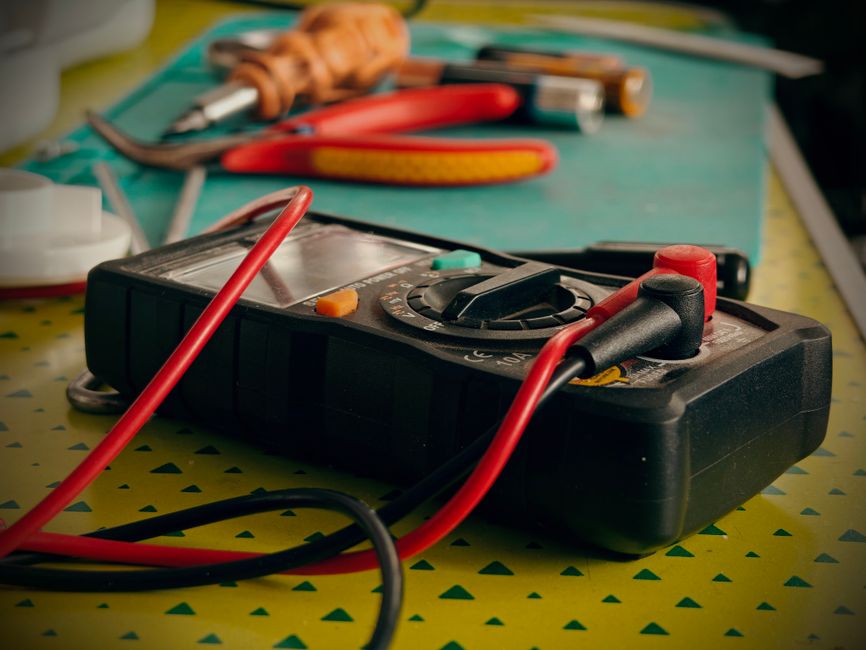
Test instruments and meters are the backbone of quality control, safety compliance, and research accuracy across industries like electronics, manufacturing, energy, and telecommunications. A digital multimeter, oscilloscope, spectrum analyzer, or calibration source can cost anywhere from a few hundred to tens of thousands of dollars. Yet many organizations treat these precision tools as disposable commodities, only paying attention when a reading looks suspicious or a unit fails outright.
Proper test equipment maintenance is not just about protecting your capital investment. It directly affects measurement integrity, regulatory compliance, workplace safety, and the credibility of your results. A drifted calibration or a dirty connector can invalidate an entire test campaign, leading to costly recalls, failed audits, or dangerous field decisions.
This guide covers practical, field-tested best practices for extending the life of your instruments while keeping them accurate and reliable. Whether you manage a small bench setup or a fleet of portable meters used in the field, these principles will help you get maximum value from every device.
Establish a Formal Maintenance Program
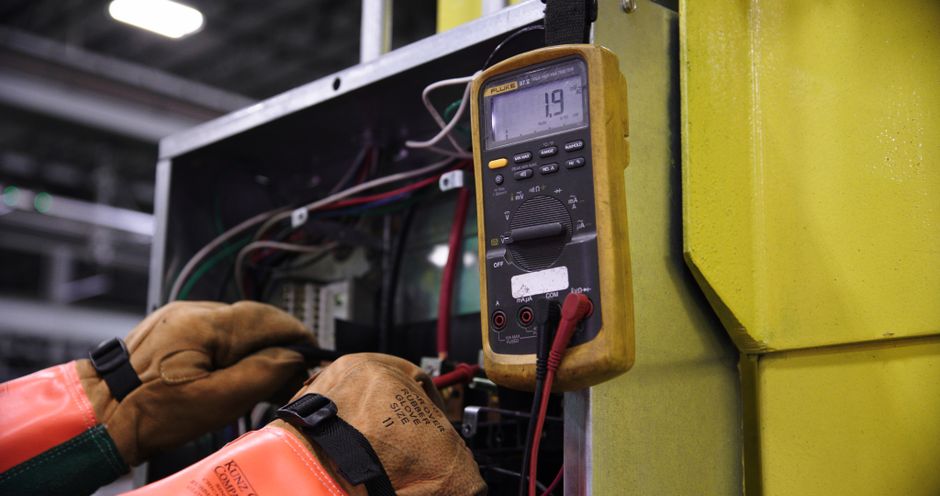
Ad hoc maintenance is the enemy of longevity. The most reliable organizations treat instrument care as a documented process, not an afterthought. A formal program creates accountability and ensures nothing slips through the cracks.
Create an Instrument Inventory
You cannot maintain what you have not cataloged. Start with a complete inventory that includes:
- Manufacturer, model, and serial number
- Date of purchase and warranty expiration
- Location and assigned owner or department
- Calibration due dates and last service history
- Criticality rating (how essential the instrument is to operations)
A spreadsheet works for small teams, but dedicated calibration management software pays off quickly for larger inventories. Many platforms send automatic reminders and store certificates digitally.
Define Maintenance Intervals
Intervals should be based on manufacturer recommendations, usage intensity, and environmental conditions. A benchtop power supply used in a climate-controlled lab may need annual calibration, while a portable insulation tester used on construction sites may need quarterly checks. Document the rationale for each interval so it can be reviewed and adjusted over time.
Assign Responsibilities
Every instrument should have a named custodian. This person is responsible for daily care, reporting issues, and ensuring the device goes out for calibration on schedule. Shared ownership often means no ownership, so avoid ambiguous assignments.
Daily Care and Handling Practices
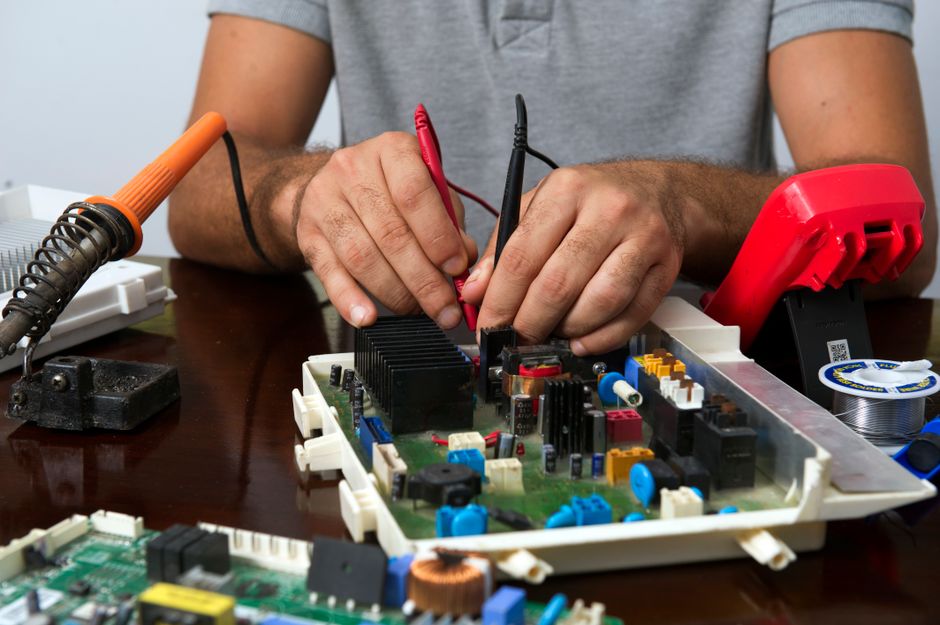
Most damage to test equipment happens during routine use, not during catastrophic events. Small habits compound over years of service.
Proper Handling and Storage
- Use the original carry case or a padded alternative whenever the instrument leaves the bench.
- Never carry a meter by its test leads or cables.
- Store instruments in a dry, temperature-stable environment away from direct sunlight.
- Use silica gel packs in storage cases in humid climates to prevent corrosion.
- Coil cables loosely at a diameter of at least 10 cm to avoid internal conductor fatigue.
Connector and Probe Hygiene
Contamination on connectors is one of the most overlooked causes of measurement error. Clean BNC, banana, and SMA connectors regularly with isopropyl alcohol and lint-free swabs. Inspect probes for cracked insulation, bent tips, or frayed leads. Replace damaged accessories immediately, as a faulty probe can damage both the instrument and the operator.
Environmental Awareness
Temperature, humidity, dust, and vibration all affect instrument lifespan. Avoid placing sensitive equipment near HVAC vents, compressors, or heavy machinery. In industrial settings, consider sealed enclosures or filtered racks to reduce particulate ingress.
Calibration: The Core of Measurement Confidence
Calibration is not the same as maintenance, but the two are deeply connected. A well-maintained instrument holds its calibration longer and is less likely to fail an adjustment.
Traceable Calibration
Always use calibration providers whose standards are traceable to national metrology institutes such as NIST, PTB, or NPL. Certificates should include as-found and as-left data, uncertainty statements, and the environmental conditions during calibration.
Calibration Intervals
Fixed annual intervals are common, but risk-based intervals can be more efficient. If an instrument consistently returns within tolerance, you may extend the interval. If it drifts, shorten it. Some organizations use a staggered schedule to spread workload and cost throughout the year.
In-House Verification
Between formal calibrations, perform quick verification checks using a known reference source. This catches drift early and prevents bad data from entering your records. Document these checks even if they are informal.
Preventive Maintenance Checklist
The following table summarizes a practical preventive maintenance schedule you can adapt to your organization.
| Task | Frequency | Responsible Party |
|---|
| Visual inspection of housing, display, and connectors | Before each use | Operator |
| Clean connectors and probes | Weekly or after field use | Operator |
| Verify battery and charging system | Monthly | Technician |
| Function check against reference source | Monthly | Technician |
| Firmware and software updates | Quarterly | IT or Metrology |
| Full calibration | Annually or per risk assessment | External lab |
| Internal cleaning and fan filter replacement | Annually | Service provider |
Power Management and Battery Care
Batteries are a leading cause of portable instrument failure. Modern lithium-ion packs degrade faster when stored at full charge or exposed to heat. Follow these practices:
- Store lithium-ion instruments at roughly 40-60% charge if they will sit unused for weeks.
- Avoid leaving devices plugged in continuously unless the manufacturer recommends it.
- Replace leaking alkaline batteries immediately and clean the compartment with a mild acid-neutralizing solution.
- Use only approved chargers and battery packs to avoid fire risk and warranty voiding.
Software, Firmware, and Data Integrity
Modern test instruments are computers with probes. Firmware bugs can cause measurement errors, and outdated software can leave you vulnerable to security issues. Register your instruments with the manufacturer to receive update notifications. Before applying updates, back up calibration constants and configuration files. After updates, run a verification check to confirm the instrument still meets specifications.
When to Repair, When to Replace
Eventually every instrument reaches a decision point. Consider repair when the unit is still supported, the repair cost is under 50% of replacement, and the instrument remains fit for purpose. Consider replacement when parts are obsolete, calibration cannot be restored, or the cost of downtime exceeds the price of a new unit. Keep a documented end-of-life policy so decisions are consistent and defensible.
Building a Culture of Care
Procedures only work when people follow them. Train every user on handling, storage, and reporting. Make it easy to flag a problem by placing quick-response tags on instruments and providing a simple reporting channel. Recognize teams that maintain high calibration pass rates. When operators understand that maintenance protects their own work quality, compliance improves naturally.
Conclusion
Test equipment maintenance is a strategic investment, not a cost center. By establishing a formal program, practicing disciplined daily care, managing calibration and power systems intelligently, and knowing when to repair or replace, you can extend instrument lifespan by years and protect the accuracy your work depends on. Start with an inventory, set clear intervals, and build the habits that keep your meters and analyzers performing at their best.

 English
 简体中文
简体中文 Русский
 Español
 Deutsch