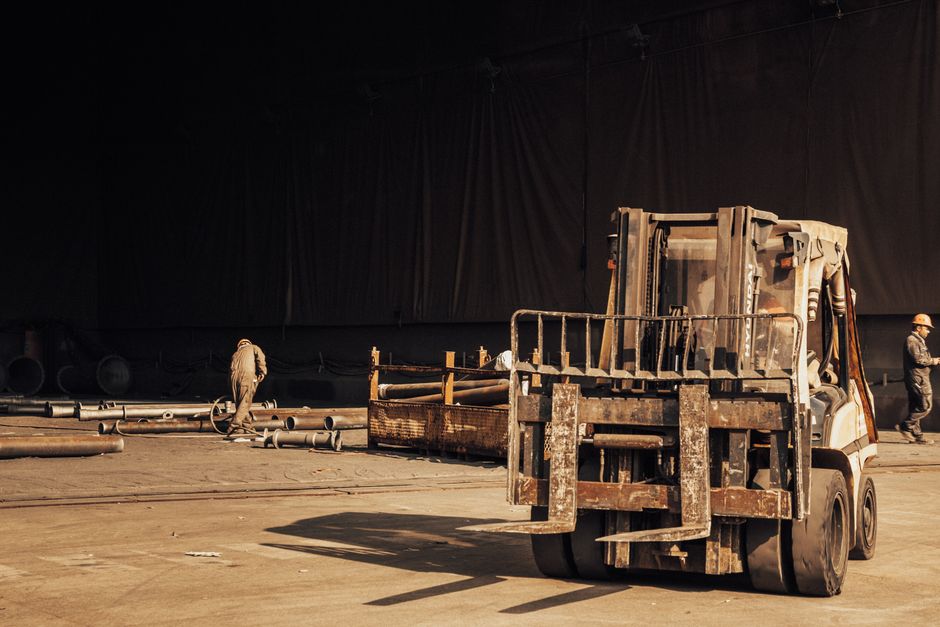
Why Forklift Safety Deserves Your Full Attention
Forklifts are the workhorses of warehouses, manufacturing plants, distribution centers, and construction sites. They move heavy loads quickly and efficiently, but that power comes with serious risk. According to occupational safety data, forklift accidents cause tens of thousands of injuries and dozens of fatalities every year in the United States alone. The Occupational Safety and Health Administration (OSHA) estimates that roughly 70 percent of these incidents could have been prevented with proper training, maintenance, and workplace organization.
Understanding the most common forklift accidents — and the practical steps that prevent them — is essential for operators, supervisors, and facility managers alike. This guide breaks down the leading causes of forklift incidents and provides actionable prevention strategies you can implement today.
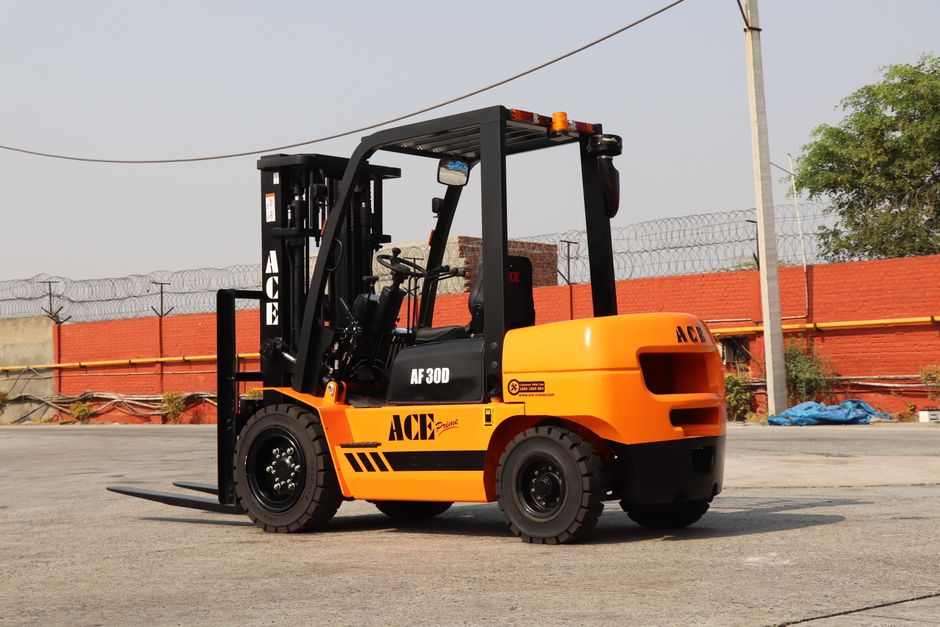
The Most Common Types of Forklift Accidents
Forklift incidents generally fall into a handful of categories. Recognizing these patterns is the first step toward building a safer workplace.
1. Tip-Overs
Tip-overs occur when a forklift becomes unbalanced and falls onto its side or forward. They are among the most deadly accident types because operators often try to jump from the tipping machine, which can crush them beneath the overhead guard. Common causes include:
- Carrying a load that is too heavy or improperly balanced
- Raising the mast too high while traveling
- Turning too sharply, especially at speed
- Driving with the forks elevated or tilted forward
- Operating on uneven ground, ramps, or dock plates
2. Pedestrian Struck-By Incidents
Pedestrians are extremely vulnerable around forklifts. A loaded forklift can weigh several tons and requires significant distance to stop. Blind corners, busy aisles, and noisy environments make it easy for a worker on foot to step into harm's way. Struck-by accidents frequently happen when:
- Pedestrians walk through active forklift zones
- Operators travel with loads that block their forward view
- Aisles are too narrow or cluttered
- Warning devices such as horns and lights are ignored
3. Load Falls and Spills
Improperly secured or unstable loads can slide, shift, or fall, injuring nearby workers and damaging inventory. Causes include overloaded forks, damaged pallets, incorrect fork spacing, and failing to tilt the mast back before traveling.
4. Crushed by Forklift or Load
Operators and ground workers can be crushed between the forklift and a fixed object, or trapped under a falling load. These incidents often result from poor visibility, lack of communication, and working too close to moving equipment.
5. Collisions with Racks, Walls, and Equipment
Striking racking systems, doors, and other machinery is common in tight warehouses. Beyond immediate damage, a weakened rack can collapse later, creating a delayed but severe hazard.
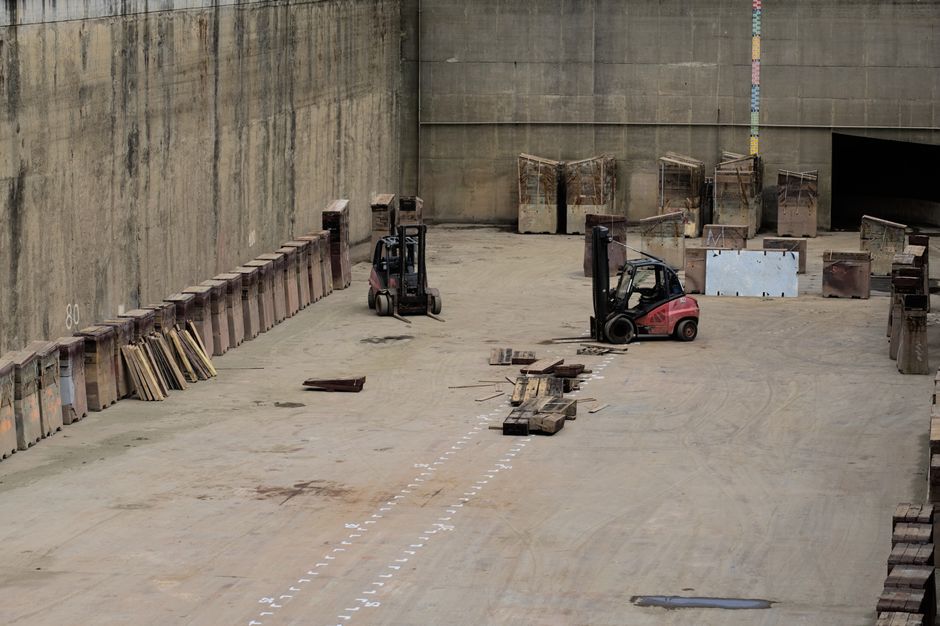
Root Causes Behind Forklift Accidents
While the accident types above describe what happens, it is equally important to understand why. Most incidents trace back to a few root causes.
| Root Cause | Typical Consequences |
|---|---|
| Inadequate operator training | Poor judgment, unsafe speed, improper load handling |
| Lack of maintenance | Brake failure, steering issues, hydraulic leaks |
| Poor workplace design | Blind corners, narrow aisles, mixed pedestrian traffic |
| Operator complacency | Speeding, horseplay, skipped inspections |
| Overloading | Tip-overs, dropped loads, structural damage |
Prevention Strategies That Actually Work
Invest in Comprehensive Operator Training
OSHA requires that all forklift operators be trained and evaluated before operating a powered industrial truck. Effective training goes beyond a video and a quiz. It should include:
- Classroom instruction on stability principles and load charts
- Hands-on practice with the specific forklifts used on site
- Evaluation of skills in real working conditions
- Refresher training after incidents, near-misses, or equipment changes
Document every training session and keep certifications current. A well-trained operator anticipates hazards rather than reacting to them.
Perform Daily Pre-Shift Inspections
A thorough pre-shift inspection catches mechanical problems before they cause accidents. Operators should check tires, brakes, steering, horn, lights, forks, chains, hydraulic hoses, and fluid levels. Any defect must be reported and repaired before the forklift returns to service. A simple checklist signed by the operator creates accountability and a paper trail.
Design Safer Traffic Flow
Separating forklifts from pedestrians is one of the most effective safety measures available. Consider these layout improvements:
- Mark dedicated pedestrian walkways with bright paint or tape
- Install physical barriers such as guardrails at high-traffic intersections
- Use convex mirrors or motion sensors at blind corners
- Set clear speed limits and enforce them
- Establish one-way aisles where possible
Respect Load Capacity and Stability
Every forklift has a data plate specifying its rated capacity at a given load center. Exceeding that capacity — or lifting a load whose center of gravity is too far forward — dramatically increases tip-over risk. Operators should:
- Know the weight and dimensions of every load
- Keep loads tilted back and low to the ground while traveling
- Never travel with an elevated load
- Use proper attachments for unusual loads
Maintain Equipment Proactively
Preventive maintenance keeps forklifts safe and extends their lifespan. Schedule regular service intervals for brakes, hydraulics, tires, and the mast assembly. Replace worn chains and hoses before they fail. A forklift that is overdue for service should be taken out of rotation, not pushed through another shift.
Wear the Right Personal Protective Equipment
Operators should always wear a seatbelt, which prevents ejection during a tip-over. High-visibility vests help pedestrians and other operators see each other. Safety shoes, hard hats, and eye protection may be required depending on the environment.
Foster a Safety Culture
Rules only work when people follow them. Encourage near-miss reporting without fear of blame. Recognize safe behavior publicly. Hold regular toolbox talks about forklift hazards. When leadership treats safety as a core value rather than a checkbox, incident rates drop.
What to Do When an Accident Happens
Even with strong prevention, incidents can occur. When they do, act quickly and methodically:
- Ensure the area is safe and call for medical help if needed
- Do not move an injured worker unless they are in immediate danger
- Secure the scene and preserve evidence
- Report the incident to a supervisor and document everything
- Investigate root causes and implement corrective actions
A thorough investigation turns a painful event into a learning opportunity that protects others.
Key Takeaways for a Safer Facility
Forklift accidents are rarely random. They stem from predictable causes — inadequate training, poor maintenance, unsafe layout, and human error — that can be addressed with disciplined systems. By investing in operator education, enforcing daily inspections, separating pedestrians from traffic, and maintaining equipment, you can dramatically reduce risk.
Safety is not a one-time project; it is a daily practice. Start with one improvement this week, whether that is a new pre-shift checklist, brighter aisle markings, or a refresher training session. Small, consistent actions build the kind of safety culture that sends every worker home at the end of the shift.