Introduction to Forklift Fleet Management
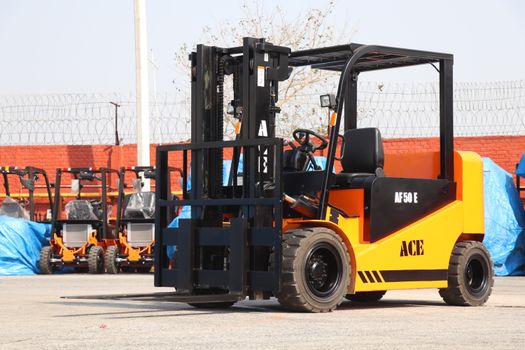
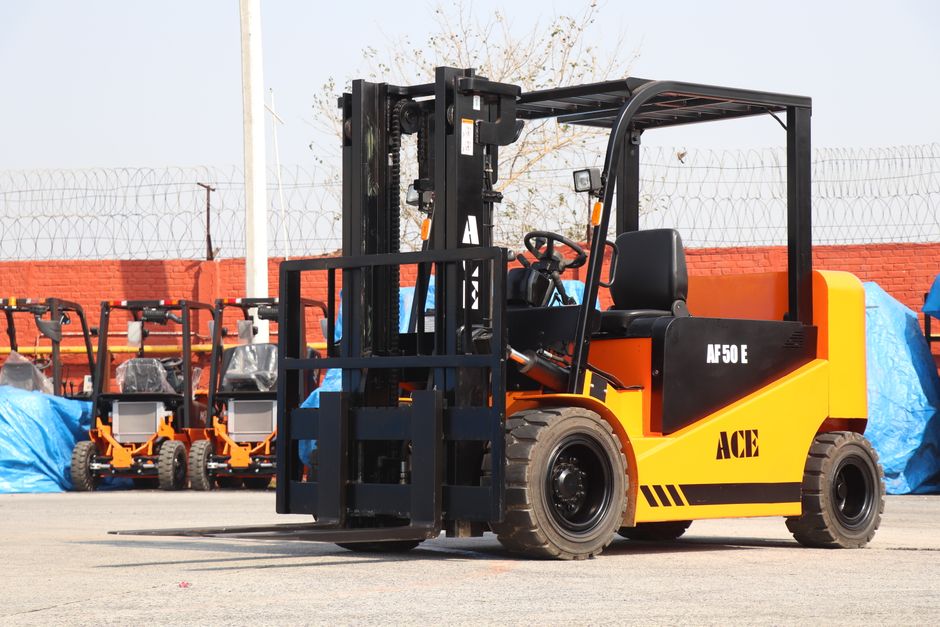
In today's fast-paced warehouse environment, forklifts are the backbone of material handling operations. Managing a fleet of forklifts efficiently is critical to maintaining productivity, reducing costs, and ensuring safety. Forklift fleet management encompasses the strategic oversight of your forklifts, including acquisition, maintenance, operator training, and utilization tracking. This guide provides comprehensive tips to help warehouse managers optimize their forklift fleets.
1. Conduct a Fleet Audit and Needs Assessment
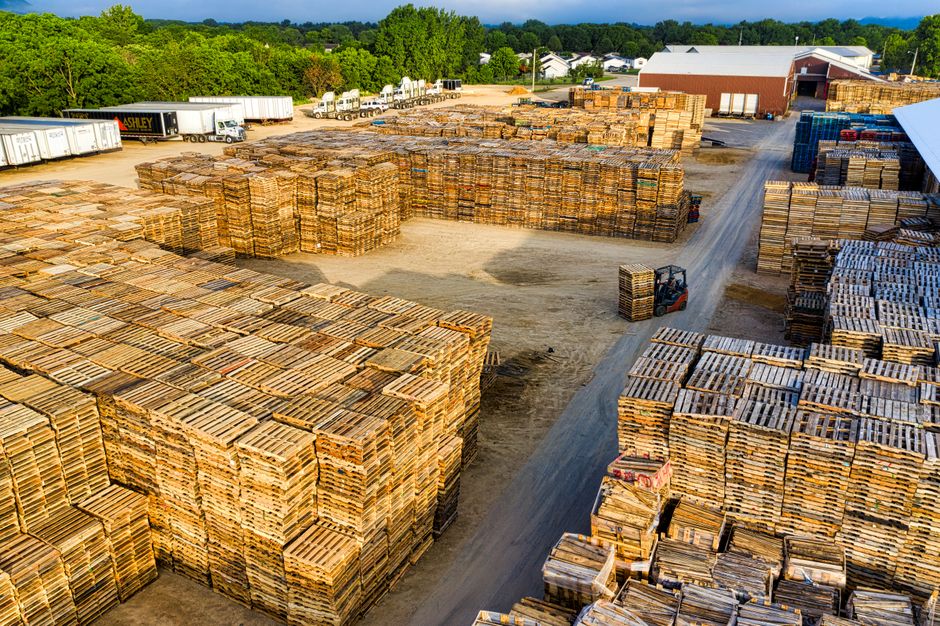
Before implementing any management strategy, you must understand your current fleet and operational requirements. A thorough audit involves:
- Inventory of Equipment: List all forklifts, including make, model, age, capacity, and current condition.
- Utilization Analysis: Track how often each forklift is used, idle time, and peak demand periods.
- Operational Needs: Assess the types of loads, aisle widths, rack heights, and any special attachments required.
- Cost Analysis: Calculate total cost of ownership per forklift, including purchase price, maintenance, fuel/energy, and operator costs.
This assessment will reveal if you have the right mix of equipment and identify opportunities for consolidation or expansion.
2. Implement a Preventive Maintenance Program
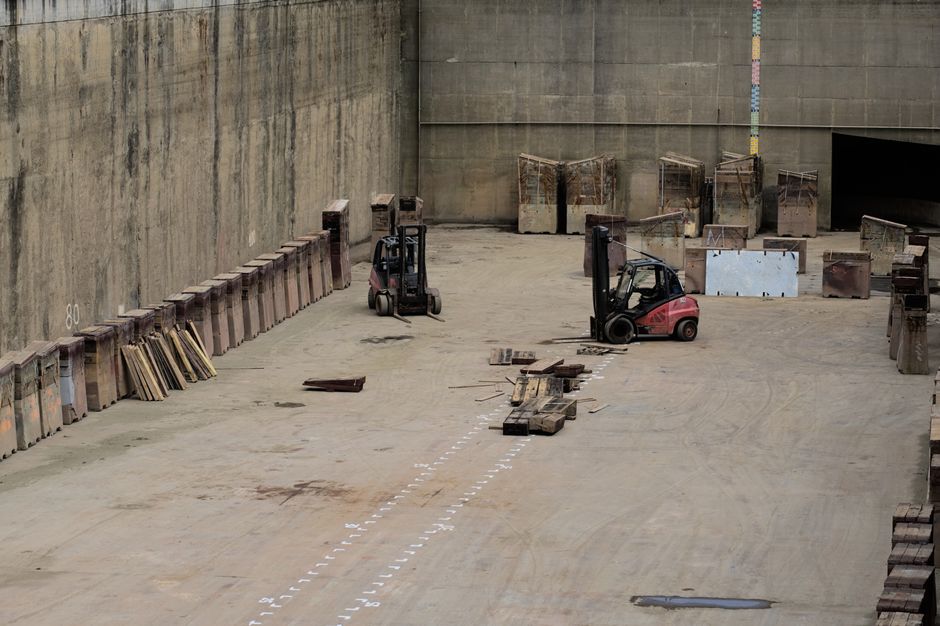
Unplanned downtime can cripple warehouse operations. A preventive maintenance (PM) program is essential to keep forklifts running smoothly and extend their lifespan.
Key Elements of a PM Program:
- Scheduled Inspections: Perform daily operator checks and periodic professional inspections (e.g., every 250 hours).
- Maintenance Tracking: Use a CMMS (Computerized Maintenance Management System) to log service history, parts replacement, and upcoming tasks.
- Parts Inventory: Keep critical spare parts on hand to reduce repair turnaround time.
- Battery Care: For electric forklifts, proper charging and watering procedures maximize battery life.
Preventive maintenance reduces costly emergency repairs, improves safety, and ensures compliance with OSHA regulations.
3. Optimize Forklift Utilization
Maximizing the use of each forklift can lead to significant cost savings. Consider these strategies:
- Route Optimization: Plan the most efficient paths for material movement to reduce travel time and fuel consumption.
- Load Matching: Assign the right forklift for the job—using a high-capacity forklift for light loads wastes energy and increases wear.
- Telematics: Install telematics systems to monitor usage, impact events, and idle time. This data helps identify underutilized equipment and operator training needs.
- Shift Scheduling: Align forklift availability with peak warehouse activity to avoid bottlenecks.
By optimizing utilization, you can potentially reduce the size of your fleet, lowering acquisition and maintenance costs.
4. Invest in Operator Training and Safety
Forklift operators are the most valuable asset in your fleet management strategy. Proper training not only ensures safety but also improves productivity and reduces equipment damage.
Training Best Practices:
- Certification: Ensure all operators are certified according to OSHA standards (29 CFR 1910.178).
- Hands-On Training: Provide practical training on specific forklift models and warehouse layouts.
- Refresher Courses: Conduct regular refresher training, especially after incidents or when new equipment is introduced.
- Safety Culture: Promote a safety-first mindset through incentives, toolbox talks, and incident reporting.
Well-trained operators are less likely to have accidents, reducing damage to goods, racks, and forklifts.
5. Leverage Technology for Fleet Management
Technology can transform your forklift fleet management from reactive to proactive. Key technologies include:
- Fleet Management Software: Centralize data on maintenance, utilization, and costs for real-time visibility.
- Telematics and IoT Sensors: Monitor forklift health, location, and operator behavior. Alerts for impacts, overheating, or low battery can prevent breakdowns.
- Automated Guided Vehicles (AGVs): For repetitive tasks, AGVs can complement forklift operations, especially in high-volume warehouses.
- Predictive Maintenance: Use data analytics to predict when parts will fail, allowing just-in-time maintenance.
Investing in the right technology yields a high ROI through reduced downtime and extended equipment life.
6. Manage Costs and Budget Effectively
Forklift fleet management is also about financial stewardship. Consider these cost management tips:
- Lease vs. Buy: Evaluate whether leasing or purchasing is more cost-effective based on your utilization and cash flow.
- Total Cost of Ownership (TCO): Look beyond purchase price—consider maintenance, energy, operator training, and resale value.
- Energy Efficiency: Electric forklifts generally have lower operating costs than internal combustion models. Evaluate your energy strategy.
- Budget for Replacement: Plan for forklift replacement cycles (typically 5-7 years or 10,000-12,000 hours) to avoid sudden capital expenditures.
Regular cost reviews and benchmarking against industry standards can uncover savings opportunities.
7. Ensure Compliance and Safety Regulations
OSHA and other regulatory bodies set strict guidelines for forklift operations. Non-compliance can result in fines, injuries, and reputational damage. Key compliance areas:
- Operator Certification: Only trained and authorized personnel should operate forklifts.
- Daily Inspections: Pre-shift inspections are mandatory and should be documented.
- Maintenance Records: Keep detailed records of all maintenance and repairs.
- Workplace Safety: Ensure proper signage, pedestrian walkways, and rack inspections.
Conduct regular safety audits to identify and mitigate hazards.
8. Plan for Fleet Replacement and Disposal
Eventually, every forklift reaches the end of its useful life. A proactive replacement plan ensures smooth operations and avoids costly breakdowns.
- Lifecycle Analysis: Track hours, maintenance costs, and reliability to determine optimal replacement timing.
- Disposal Options: Sell, trade-in, or scrap old forklifts. Consider refurbishment if cost-effective.
- Environmental Impact: Dispose of batteries and fluids according to environmental regulations.
Planning for replacement also allows you to take advantage of new technologies and improved ergonomics.
9. Foster Communication and Collaboration
Effective fleet management requires coordination among various departments: warehouse operations, maintenance, procurement, and safety. Regular meetings and shared KPIs (Key Performance Indicators) ensure everyone is aligned.
- Daily Huddles: Quick meetings to discuss equipment status and priorities.
- Cross-Training: Train operators on multiple forklift types to increase flexibility.
- Feedback Loop: Encourage operators to report issues and suggest improvements.
10. Measure and Improve Performance
Continuous improvement is the hallmark of successful fleet management. Establish metrics and review them regularly:
| Metric | Description | Target |
|---|---|---|
| Forklift Utilization Rate | Percentage of time forklifts are actively used | >75% |
| Maintenance Cost per Hour | Total maintenance cost divided by operating hours | <$5 |
| Downtime Percentage | Percentage of scheduled time forklifts are unavailable | <5% |
| Accident Rate | Number of incidents per 100 operators | 0 |
Use these metrics to identify trends and areas for improvement. Set SMART goals and track progress.
Conclusion
Forklift fleet management is a multifaceted discipline that combines strategic planning, operational efficiency, and safety. By following the tips outlined in this guide—conducting regular audits, implementing preventive maintenance, optimizing utilization, investing in training and technology, and measuring performance—you can achieve a lean, productive, and safe forklift fleet. Remember, effective fleet management is not a one-time task but an ongoing process of improvement. Start by assessing your current situation and prioritize the areas that will yield the greatest impact for your warehouse.