
 English
 简体中文
简体中文 Русский
 Español
 Deutsch
 Oct 14, 2026 Company News
Food Additive M&A News: Top 2025 Deals Explained
Explore the top 2025 food additive M&A deals, from DSM-Firmenich to enzyme mergers. Stay ahead of ingredient industry consolidation trends.
Explore 8 food additive innovation breakthroughs to watch, from precision fermentation to AI discovery. Stay ahead with our expert ingredient insights.
Oct 14, 2026 137
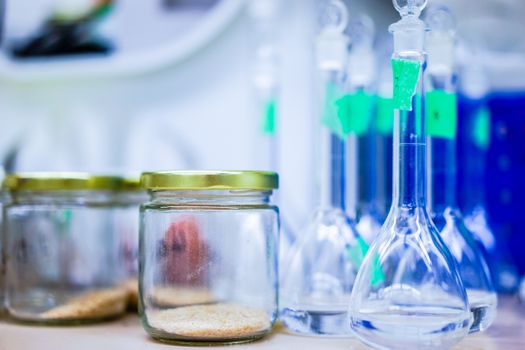
Food additive innovation is moving faster than at any point in the last three decades. Regulatory pressure, clean-label consumer demand, precision fermentation, and AI-driven discovery are converging to reshape what goes into packaged food. For food manufacturers, ingredient suppliers, and product developers, understanding these breakthroughs is no longer optional — it is a competitive necessity.
Below are the eight most significant food additive innovations to watch right now, each with practical implications for formulation, labeling, and go-to-market strategy.
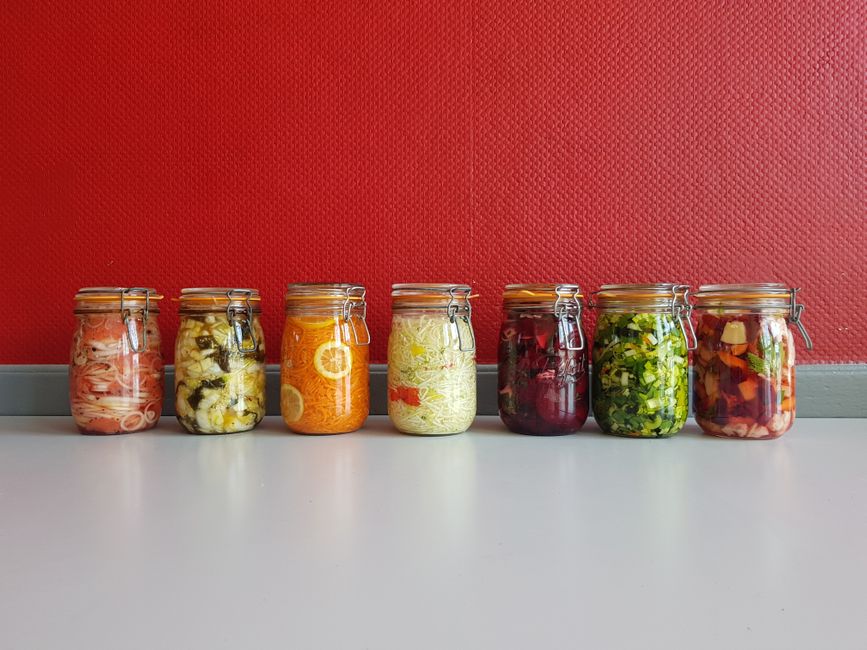
Precision fermentation uses engineered microorganisms to produce specific proteins and enzymes rather than harvesting them from animals or plants. Companies are now producing egg-white proteins, dairy proteins, and specialty enzymes at commercial scale, with purity and consistency that traditional extraction struggles to match.
For additive suppliers, this means enzymes like chymosin, lipases, and proteases can be manufactured with tighter specifications and lower batch variability. That directly improves shelf-life prediction and reduces reformulation risk for bakeries, dairy alternatives, and plant-based meat producers.
The regulatory picture is also maturing. Several jurisdictions have granted GRAS or novel food status to precision-fermented ingredients, which shortens the path from pilot plant to retail shelf. Expect more launches in 2025 and 2026 as capacity expands.

The shift away from synthetic colors such as Red 40, Yellow 5, and Yellow 6 continues to accelerate. New sources — including spirulina, black carrot, butterfly pea, and engineered anthocyanins — offer better pH and heat stability than earlier natural alternatives.
Encapsulation technologies are a key enabler. By coating sensitive pigments in protective matrices, formulators can now use natural colors in baked goods, beverages, and extruded snacks where they previously faded or migrated.
Brands should audit their color portfolios now, because state-level labeling rules in the U.S. and tightening EU guidance are making synthetic dyes a reputational and regulatory liability.

Sugar reduction remains the single biggest formulation challenge in food and beverage. The newest generation of sweetness modulators does not simply replace sugar — it enhances the perception of sweetness, masks off-notes, and improves mouthfeel at very low use levels.
These additives include modified steviol glycosides, thaumatin, monk fruit mogrosides, and bitter-blocking peptides. When combined with bulking agents like allulose or soluble fibers, they allow 30–50% sugar reduction without the metallic or licorice aftertaste that plagued first-generation stevia.
For product developers, the practical win is label-friendly wording: many of these ingredients appear as familiar plant extracts rather than chemical-sounding additives, which supports clean-label marketing claims.
Artificial intelligence is compressing the discovery timeline for new additives from years to months. Machine learning models now screen millions of molecular candidates for functionality — emulsification, antioxidant capacity, antimicrobial activity — before any lab work begins.
Several ingredient companies have reported identifying novel natural preservatives and texture modifiers using AI-guided screening, then validating them with targeted bench trials. This reduces R&D cost and increases the odds of finding ingredients that are both effective and easy to label.
The next frontier is predictive safety assessment. AI tools that flag potential allergenicity or toxicity early can help companies avoid costly late-stage failures and speed up regulatory dossiers.
Consumers increasingly reject preservatives like sodium benzoate and potassium sorbate, pushing formulators toward naturally derived antimicrobials. New options include cultured dextrose, fermented vinegar blends, citrus extracts, and bacteriocins such as nisin and pediocin.
These additives work best in combination. Hurdle technology — pairing mild antimicrobials with pH control, water activity management, and modified atmosphere packaging — delivers the same shelf life as traditional preservatives with a cleaner label.
Watch for microencapsulated antimicrobials that release slowly over time, extending protection in high-moisture products like sauces, dips, and ready-to-eat meats.
Fiber is no longer just a bulking agent. New soluble fibers — resistant dextrins, beta-glucans, acacia fiber, and polydextrose alternatives — deliver prebiotic benefits, improve texture, and support digestive health claims.
Regulatory bodies are gradually recognizing specific health claims for these ingredients, which makes them more attractive for functional beverages, snacks, and supplements. Formulators should note that not all fibers behave the same in processing; solubility, viscosity, and fermentation profile vary widely.
| Fiber Type | Key Benefit | Common Application |
|---|---|---|
| Resistant dextrin | Low viscosity, prebiotic | Beverages, bars |
| Beta-glucan | Cholesterol support | Oats, dairy alternatives |
| Acacia fiber | High tolerance, mild taste | Supplements, snacks |
Encapsulation is the quiet enabler behind many of the breakthroughs above. By protecting sensitive ingredients — probiotics, vitamins, omega-3s, natural colors, and flavors — encapsulation improves stability, controls release, and masks undesirable tastes.
New wall materials made from pea protein, alginate, and modified starch are replacing synthetic polymers, keeping labels clean while maintaining performance. Spray-drying, fluid-bed coating, and coacervation are all seeing incremental advances that lower cost and improve yield.
For manufacturers, the payoff is fewer overages, longer shelf life, and the ability to fortify products that previously could not carry sensitive actives.
Upcycling is moving from a marketing story to a genuine ingredient strategy. Additives derived from food side streams — citrus peel pectin, grape seed extract, oat hull fiber, and brewer's spent grain protein — offer functional benefits while reducing waste.
These ingredients appeal to sustainability-focused buyers and can support ESG reporting. The challenge is consistency: side-stream supply varies by season and processor, so suppliers must invest in standardized processing to guarantee spec compliance.
Companies that lock in reliable upcycled supply chains now will have a differentiated story as retailers and consumers demand verifiable circularity.
These eight breakthroughs share a common thread: they let formulators do more with less, using ingredients that are safer, more sustainable, and easier to label. The winners will be companies that invest early in regulatory strategy, supply partnerships, and application testing.
Food additive innovation is no longer a back-office concern. It is a front-line driver of brand differentiation, cost control, and consumer trust. Track these developments closely — the next 24 months will separate leaders from followers.
Send the product, the specification and the limits that cannot move — we return matched products with the differences written out.
Explore the top 2025 food additive M&A deals, from DSM-Firmenich to enzyme mergers. Stay ahead of ingredient industry consolidation trends.
Stay compliant with EU food additive regulation updates. Learn about E171 ban, nitrite limits, EFSA re-evaluations, and practical compliance steps.
Explore the latest food additive safety news, studies, and warnings. Learn which additives are under scrutiny and how to reduce your exposure today.
Tell us the ingredient, the grade or E-number, the assay, the quantity, the packing you need and the destination port. We reply with the matching line, the packing plan, the lead time and the price in one round.