
 English
 简体中文
简体中文 Русский
 Español
 Deutsch
 Oct 14, 2026 Company News
Food Additive M&A News: Top 2025 Deals Explained
Explore the top 2025 food additive M&A deals, from DSM-Firmenich to enzyme mergers. Stay ahead of ingredient industry consolidation trends.
Explore the top 2025 food additive M&A deals, from DSM-Firmenich to enzyme mergers. Stay ahead of ingredient industry consolidation trends.
Oct 14, 2026 64
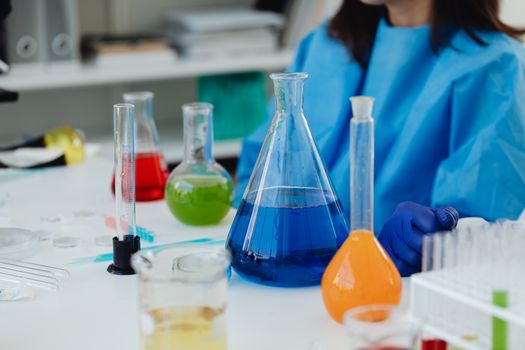

The food additive industry entered 2025 with renewed momentum. After two years of cautious dealmaking, ingredient suppliers, flavor houses, and specialty chemical companies returned to the negotiating table with strategic intent. Rising demand for clean-label ingredients, precision fermentation outputs, and functional additives has reshaped portfolios across the sector.
According to industry trackers, global food additive M&A volume rose roughly 14% year over year through Q3 2025, with disclosed deal value exceeding $9 billion. Consolidation is no longer just about scale; it is about acquiring technology platforms, regulatory approvals, and sustainable production capacity.
Below are the ten most consequential food additive deals and trends of 2025, each with context on why it matters for manufacturers, formulators, and investors.
DSM-Firmenich completed the separation of its animal nutrition and health business, including several feed additive lines, in a transaction valued at approximately €2.4 billion. The move allows the company to concentrate on taste, texture, and health ingredients for human consumption.
The divested portfolio includes vitamins, enzymes, and performance additives used in livestock feed. Buyers included a consortium of private equity and strategic investors seeking to consolidate the fragmented feed additive market.
For food formulators, the deal signals a sharper focus from DSM-Firmenich on high-margin human nutrition ingredients such as omega-3s, probiotics, and natural colors — areas where additive innovation is accelerating.
International Flavors & Fragrances (IFF) finalized the sale of its pharma solutions business for $2.85 billion, a move designed to reduce leverage and sharpen its focus on food, beverage, and scent additives.
The retained food additive portfolio includes emulsifiers, stabilizers, cultures, and flavor modulation technologies. IFF leadership indicated the proceeds will fund R&D in biotech-derived additives and clean-label preservation systems.
This transaction highlights a broader trend: large diversified ingredient companies are pruning non-core assets to compete with agile specialty additive startups.
Givaudan acquired a European natural color additive startup specializing in anthocyanin and betalain stabilization for beverages and confectionery. The deal, reportedly worth around $180 million, strengthens Givaudan's position in the fast-growing natural colors segment.
The target company's patented encapsulation technology improves heat and light stability — a persistent challenge for natural colorants replacing synthetic dyes like Red 40 and Yellow 5.
With several U.S. states passing additive bans, demand for stable natural alternatives is surging. This acquisition gives Givaudan a defensible technical moat in a category expected to grow at 8–10% annually.
Kerry Group acquired a bio-based preservation additive company focused on cultured dextrose and fermentation-derived antimicrobials. The deal supports Kerry's push into clean-label shelf-life extension.
Traditional preservatives such as sodium benzoate and potassium sorbate face consumer backlash. Bio-based alternatives offer comparable efficacy with label-friendly positioning.
Kerry's acquisition includes a pilot fermentation facility in North America, giving the company vertical integration from strain development to commercial-scale additive production.
ADM entered a joint venture with a precision fermentation company to produce animal-free enzymes and flavor additives. The JV targets dairy enzymes, natural vanillin, and heme-adjacent flavor compounds.
Precision fermentation is attracting heavy investment because it decouples additive production from agricultural supply volatility. The JV will leverage ADM's global fermentation capacity and the partner's proprietary yeast strains.
Analysts view this as a template for future deals: incumbent ingredient giants pairing with biotech innovators rather than acquiring them outright.
Symrise acquired a sweetener technology company holding patents on high-intensity natural sweeteners derived from monk fruit and stevia blends. The deal value was undisclosed but estimated in the low nine figures.
The acquisition addresses the industry's biggest formulation challenge: reducing sugar without off-flavors. The target's bitter-masking and mouthfeel technologies complement Symrise's existing flavor modulation toolbox.
With sugar reduction regulations tightening in the EU and Asia, this deal positions Symrise to capture demand from beverage and bakery manufacturers reformulating products.
A mid-sized European emulsifier producer was acquired by a global hydrocolloid company, consolidating lecithin, mono- and diglyceride, and polysorbate production under one roof.
Emulsifier demand remains steady across bakery, dairy, and plant-based categories. However, margins are squeezed by raw material volatility, pushing smaller players to seek buyers.
The combined entity now controls an estimated 12% of the global food emulsifier market, raising antitrust scrutiny in some jurisdictions.
A major Asian food ingredient conglomerate acquired a Western specialty additive manufacturer for approximately $620 million. The deal provides instant access to FDA and EFSA-approved product lines.
This marks a strategic shift: Asian additive producers are moving from export-only strategies to owning Western brands and distribution channels.
Western buyers benefit from supply chain diversification, while the acquirer gains regulatory expertise and customer relationships in high-value markets.
A private equity firm acquired a clean-label stabilizer and texturizer company serving plant-based meat and dairy alternatives. The deal reflects continued investor appetite for additive categories tied to alternative proteins.
The target's portfolio includes citrus fiber, modified starches, and gellan gum blends designed to mimic fat and protein mouthfeel.
PE-backed consolidation in this niche is expected to continue, with roll-up strategies targeting regional stabilizer producers.
Two enzyme additive specialists merged in an all-stock deal valued at $1.1 billion, creating a top-five global enzyme supplier for food and beverage applications.
The merger combines complementary enzyme portfolios: one strong in baking and brewing, the other in dairy and juice processing. Combined R&D spend exceeds $120 million annually.
Scale matters in enzymes because development cycles are long and regulatory approvals are costly. The merged entity is expected to accelerate commercialization of next-generation enzymes for sugar reduction and protein modification.
Five themes define 2025 food additive M&A: portfolio pruning by large players, aggressive acquisition of natural and bio-based technologies, precision fermentation partnerships, Asian expansion into Western markets, and private equity roll-ups in clean-label categories.
Looking to 2026, expect continued dealmaking in natural colors, sugar reduction, preservation, and enzyme platforms. Regulatory pressure on synthetic additives will remain a primary catalyst for acquisitions.
For formulators and procurement teams, the practical implication is clear: supplier landscapes are shifting rapidly. Review your additive supply agreements annually, qualify alternate sources, and monitor M&A news to avoid disruption.
| Deal | Category | Estimated Value |
|---|---|---|
| DSM-Firmenich Animal Nutrition Divestiture | Feed Additives | €2.4B |
| IFF Pharma Solutions Sale | Portfolio Restructuring | $2.85B |
| Givaudan Natural Colors Acquisition | Natural Colors | $180M |
| Kerry Bio-Based Preservation Deal | Preservatives | Undisclosed |
| Enzyme Additive Merger | Enzymes | $1.1B |
Send the product, the specification and the limits that cannot move — we return matched products with the differences written out.
Explore the top 2025 food additive M&A deals, from DSM-Firmenich to enzyme mergers. Stay ahead of ingredient industry consolidation trends.
Stay compliant with EU food additive regulation updates. Learn about E171 ban, nitrite limits, EFSA re-evaluations, and practical compliance steps.
Explore the latest food additive safety news, studies, and warnings. Learn which additives are under scrutiny and how to reduce your exposure today.
Tell us the ingredient, the grade or E-number, the assay, the quantity, the packing you need and the destination port. We reply with the matching line, the packing plan, the lead time and the price in one round.