Introduction to Material Handling Equipment Financing
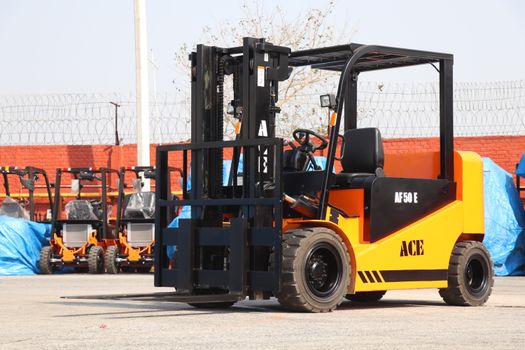
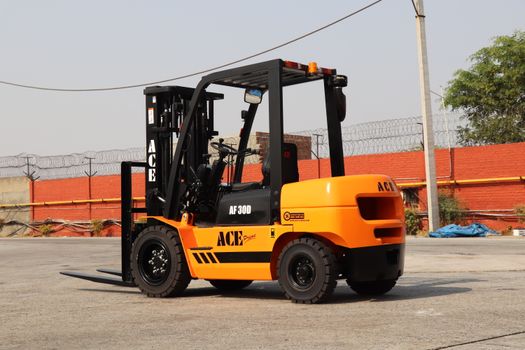
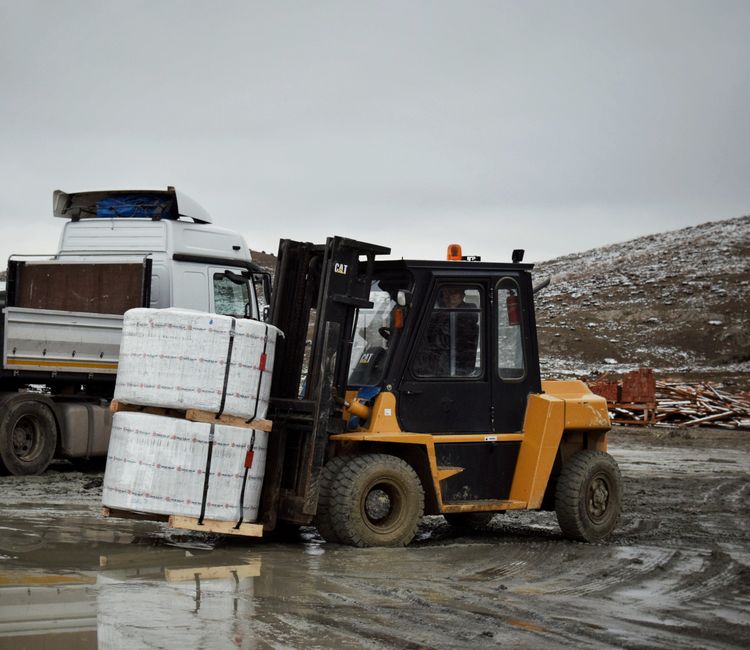
Material handling equipment is the backbone of efficient warehouse, manufacturing, and distribution operations. From forklifts and conveyors to automated storage and retrieval systems (AS/RS), these machines keep your supply chain moving. However, acquiring them often requires a significant capital investment. For many businesses, paying cash upfront isn't feasible or wise. That's where material handling equipment financing options come into play. This guide explores the various financing solutions available, helping you choose the best fit for your operational needs and financial situation.
Why Finance Material Handling Equipment?
Financing allows you to preserve working capital, maintain cash flow for day-to-day operations, and invest in growth opportunities. It also provides flexibility: you can upgrade equipment as technology advances without tying up large sums of money. Additionally, financing can offer tax benefits, such as deducting interest payments or taking advantage of Section 179 deductions in the U.S. Ultimately, financing makes it possible to acquire the equipment you need without straining your balance sheet.
Types of Material Handling Equipment Financing
1. Equipment Loans
An equipment loan is a traditional financing option where you borrow a lump sum to purchase the equipment. The equipment itself serves as collateral. Loans typically have fixed interest rates and terms ranging from 2 to 7 years. You own the equipment from day one and can claim depreciation. This option is ideal if you plan to keep the equipment long-term and want to build equity.
2. Equipment Leasing
Leasing allows you to use the equipment for a specified period in exchange for regular payments. There are two main types: operating leases and capital leases (also known as finance leases). Operating leases are short-term and often include maintenance; at the end, you return the equipment or upgrade. Capital leases are long-term and may transfer ownership at the end. Leasing is beneficial if you need the latest technology or want to avoid large down payments.
3. Rent-to-Own Agreements
Rent-to-own combines renting and ownership. You make rental payments for a set period, and a portion of each payment goes toward the purchase price. Once the total amount is paid, you own the equipment. This option is great for businesses with limited credit history or those who want to test the equipment before committing.
4. Lines of Credit
A business line of credit provides flexible access to funds up to a certain limit. You can draw funds as needed and only pay interest on the amount used. This is useful for purchasing multiple pieces of equipment or covering unexpected repairs. However, interest rates may be variable, and the credit line may need to be renewed annually.
5. Equipment Financing through OEMs
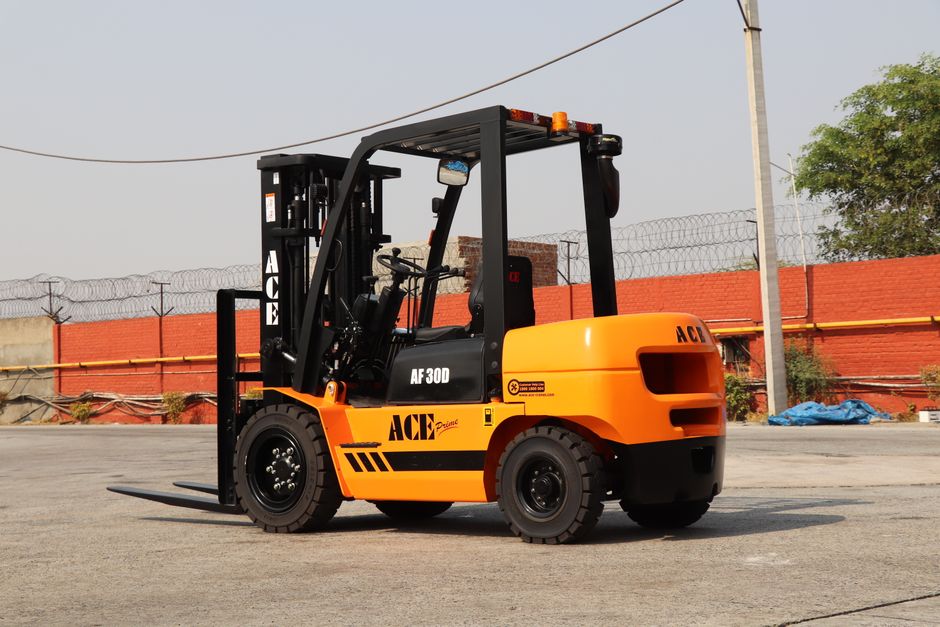
Original Equipment Manufacturers (OEMs) often have captive finance arms that offer competitive rates and streamlined approval processes. For example, forklift manufacturers like Toyota and Crown provide financing directly. This can be convenient because the lender understands the equipment and its value.
6. SBA Loans (U.S. Only)
The U.S. Small Business Administration (SBA) offers loan programs, such as the 504 Loan, specifically for equipment purchases. These loans feature long terms and low down payments but require extensive paperwork and have stricter eligibility criteria.
Comparing Financing Options
To help you decide, here's a comparison table of the main options:
| Financing Option | Typical Term | Down Payment | Ownership | Best For |
|---|---|---|---|---|
| Equipment Loan | 2-7 years | 10-30% | Immediate | Long-term use, equity building |
| Operating Lease | 1-5 years | Low or none | None (return at end) | Short-term needs, latest tech |
| Capital Lease | 2-7 years | 10-20% | Transfer at end | Long-term use, potential ownership |
| Rent-to-Own | 1-3 years | First payment | After all payments | Poor credit, trial period |
| Line of Credit | Revolving | None | Varies | Flexible, multiple purchases |
| OEM Financing | Varies | Varies | Varies | Convenience, brand-specific |
| SBA Loan | 10-25 years | 10% | Immediate | Small businesses, low rates |
Key Factors to Consider
Total Cost of Ownership
Don't just look at the monthly payment. Consider maintenance, insurance, fuel/electricity, and potential downtime. Leasing may seem cheaper monthly, but you might pay more over time if you repeatedly lease. Loans build equity but require a larger upfront investment.
Tax Implications
Consult your tax advisor. In the U.S., Section 179 allows you to deduct the full purchase price of qualifying equipment in the year it's placed in service. Bonus depreciation may also apply. Leases can be structured as true leases, where payments are fully deductible as operating expenses. The tax treatment can significantly affect your bottom line.
Flexibility and Upgrade Options
If your industry evolves quickly, leasing or rent-to-own may be better because you can upgrade to newer models without being stuck with obsolete equipment. Loans are better if you plan to keep the equipment for its entire useful life.
Credit Requirements
Your credit score and business financials impact approval and rates. Equipment loans and leases typically require good credit, while rent-to-own and some OEM programs are more lenient. SBA loans have rigorous requirements but offer the best terms.
Practical Tips for Securing Financing
- Shop around: Get quotes from multiple lenders, including banks, credit unions, online lenders, and OEM finance arms.
- Improve your credit: Pay down debts and correct errors on your credit report before applying.
- Prepare a business plan: Lenders want to see how the equipment will generate revenue.
- Consider a co-signer: If your credit is weak, a co-signer can help you secure better terms.
- Negotiate: Don't accept the first offer; terms like interest rate, down payment, and fees may be negotiable.
- Read the fine print: Understand early termination fees, balloon payments, and end-of-lease options.
Common Mistakes to Avoid
- Overlooking maintenance costs: Factor in service contracts and parts replacement.
- Choosing the wrong term: Match the financing term to the equipment's useful life.
- Ignoring tax benefits: Not leveraging deductions can cost you thousands.
- Not planning for upgrades: Technology changes fast; ensure your financing allows for future needs.
- Signing without comparison: Always compare at least three offers.
Conclusion
Financing material handling equipment is a strategic decision that can enhance your operational efficiency and financial health. By understanding the various options—loans, leases, rent-to-own, lines of credit, OEM financing, and SBA loans—you can choose the one that aligns with your business goals. Remember to evaluate total cost of ownership, tax implications, and flexibility. With careful planning and research, you can secure the equipment you need without compromising your cash flow. Start exploring your options today and keep your operations running smoothly.