Why Material Handling Equipment Safety Regulations Matter
Material handling equipment moves, lifts, and stores the goods that keep warehouses, factories, and distribution centers running. But the same machines that boost productivity can cause serious injury when operated without proper safeguards. According to the U.S. Bureau of Labor Statistics, overexertion and falls involving material handling account for a significant share of workplace injuries each year, and forklifts alone are involved in tens of thousands of accidents annually. Understanding and complying with material handling equipment safety regulations is not optional—it is a legal obligation and a core part of protecting your workforce.
This guide walks through the major regulatory frameworks, the specific rules that apply to common equipment types, practical compliance tips, and how to build a safety culture that keeps your operation productive and incident-free.
The Key Regulatory Bodies and Standards
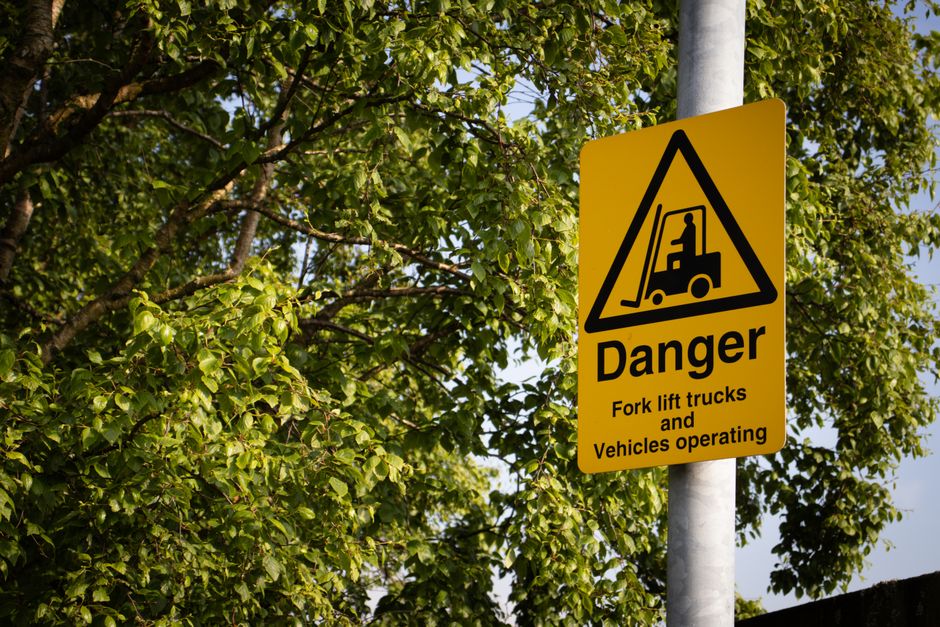
Material handling safety is governed by a patchwork of federal, state, and international standards. Knowing which ones apply to your operation is the first step toward compliance.
OSHA (Occupational Safety and Health Administration)
In the United States, OSHA sets the baseline requirements for workplace safety. The most relevant standards for material handling include:
- 29 CFR 1910.178 – Powered Industrial Trucks (forklifts, reach trucks, order pickers)
- 29 CFR 1910.179 – Overhead and Gantry Cranes
- 29 CFR 1910.176 – Handling Materials General (storage, stacking, housekeeping)
- 29 CFR 1910.184 – Slings and rigging equipment
- 29 CFR 1926.602 – Material handling equipment in construction
ANSI/ASME and ISO Standards
Consensus standards from ANSI, ASME, and ISO often go beyond OSHA's minimums. For example, ANSI/ITSDF B56.1 covers powered industrial truck design and operation, while ISO 3691 provides international guidance. Many insurers and auditors require compliance with these standards even when they are not directly enforced by law.
Other Relevant Agencies
Depending on your industry, you may also answer to the Mine Safety and Health Administration (MSHA), the Federal Motor Carrier Safety Administration (FMCSA) for loading operations, or state-level OSHA plans that can be stricter than federal rules.
Powered Industrial Truck (Forklift) Regulations
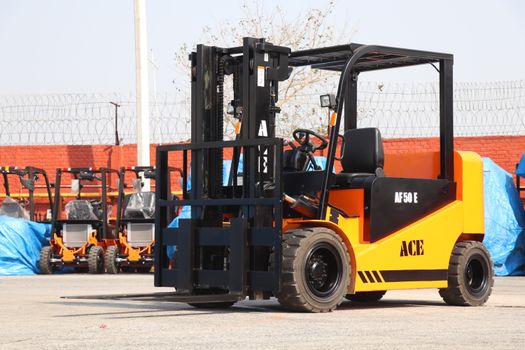
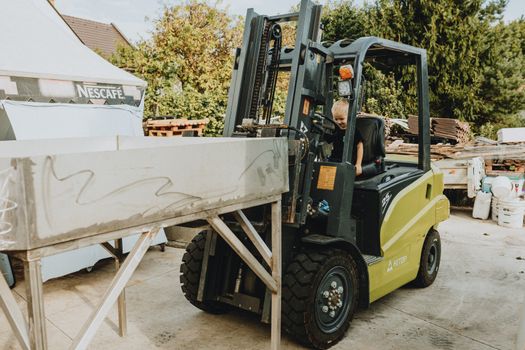
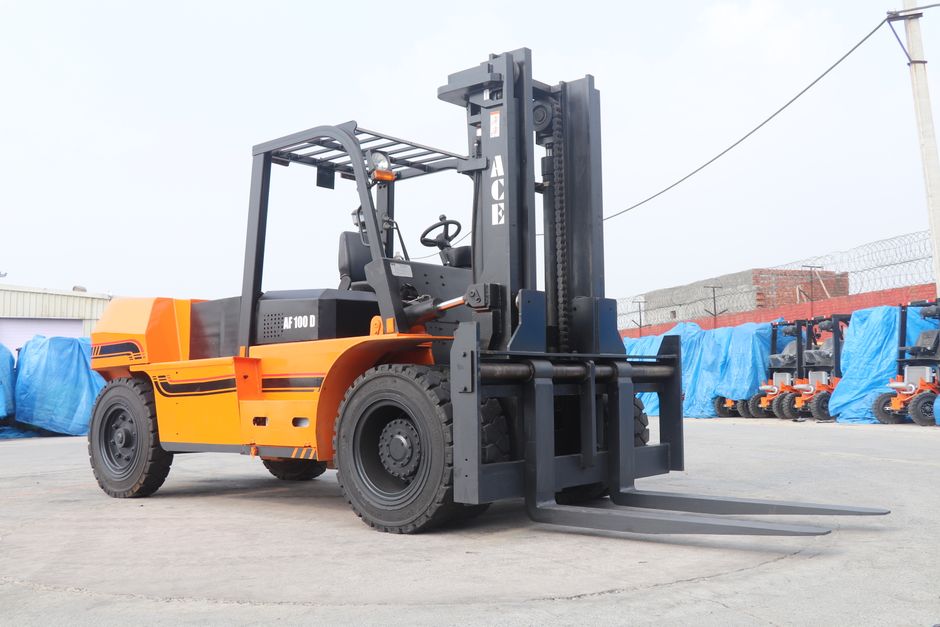
Forklifts are the most heavily regulated category of material handling equipment. OSHA estimates that operator error causes the majority of forklift incidents, which is why training and inspection requirements are so strict.
Operator Training and Certification
OSHA 1910.178(l) requires that every forklift operator be trained and evaluated before operating a truck. Training must cover:
- Truck-related topics: controls, instrumentation, steering, stability, capacity, and inspection
- Workplace-related topics: floor conditions, load stability, pedestrian traffic, and hazardous locations
- Refresher training after accidents, near-misses, or poor evaluations, and at least every three years
Training must be conducted by a qualified person and documented. Certification is not a one-time event—it is an ongoing process.
Daily Inspections
Pre-shift inspections are mandatory. Operators should check tires, forks, chains, hydraulics, brakes, lights, horns, seat belts, and fluid levels. Any defect that affects safe operation must be reported and the truck removed from service until repaired.
Load Capacity and Stability
Never exceed the rated capacity shown on the data plate. Loads must be stable, centered, and tilted back slightly during travel. Travel with the load low and forks pointed downhill on ramps—or uphill when unloaded.
Cranes, Hoists, and Rigging Safety Rules
Overhead and gantry cranes present unique hazards because loads travel above workers. OSHA 1910.179 requires:
- Periodic inspections at intervals based on service class (monthly to annually)
- Qualified riggers for all lifting operations
- Load testing after modifications or repairs
- Clear communication between operators and signal persons
Rigging equipment—slings, shackles, hooks, and chains—must be inspected before each use and removed from service when damaged. Never exceed the working load limit (WLL) of any rigging component.
Conveyors, Pallet Jacks, and Manual Handling
Not all material handling involves powered equipment. Manual handling still accounts for a large number of musculoskeletal injuries.
Conveyor Safety
OSHA 1910.212 and ANSI/ASME B20.1 require guarding at nip points, pull cords or emergency stops along the length of the conveyor, and proper lockout/tagout procedures during maintenance.
Pallet Jacks and Hand Trucks
Even manual pallet jacks require training. Operators should be taught to keep loads balanced, avoid pinch points, and never ride on the equipment. Regular inspection of wheels, hydraulics, and handles prevents accidents.
Ergonomic Best Practices
Encourage team lifting for heavy or awkward loads, provide mechanical aids where possible, and train workers in proper lifting technique. NIOSH's lifting equation can help you evaluate whether a task poses an elevated risk.
Comparison of Major Equipment Regulations
| Equipment | Primary Standard | Key Requirement | Inspection Frequency |
|---|---|---|---|
| Forklift / Powered Industrial Truck | OSHA 1910.178 | Certified operator training | Daily pre-shift |
| Overhead / Gantry Crane | OSHA 1910.179 | Qualified riggers, load testing | Monthly to annual |
| Slings and Rigging | OSHA 1910.184 | WLL compliance, pre-use inspection | Before each use |
| Conveyor Systems | OSHA 1910.212 / ANSI B20.1 | Guarding, emergency stops | Per maintenance schedule |
| Manual Pallet Jacks | OSHA General Duty Clause | Operator training, inspection | Daily / weekly |
Practical Tips for Staying Compliant
- Document everything. Keep training records, inspection logs, maintenance reports, and incident investigations in an organized system. Auditors and OSHA inspectors will ask for them.
- Create a written safety program. Tailor it to your specific equipment, layout, and workforce rather than copying a generic template.
- Use lockout/tagout (LOTO). OSHA 1910.147 requires energy isolation before servicing any powered equipment.
- Mark pedestrian walkways. Physical separation between people and equipment is one of the most effective ways to prevent struck-by incidents.
- Hold regular toolbox talks. Short, frequent safety discussions keep awareness high and reinforce training.
- Invest in technology. Telematics, proximity warning systems, and fleet management software can automate inspection tracking and flag unsafe operator behavior.
Building a Culture of Safety
Regulations set the floor, not the ceiling. The most successful operations go beyond compliance by fostering a genuine safety culture. That means leadership commitment, open reporting of near-misses without fear of retaliation, and continuous improvement of processes and equipment. When workers feel empowered to stop unsafe tasks, incidents drop—and so do the costs associated with downtime, insurance, and regulatory penalties.
Conclusion
Material handling equipment safety regulations exist to protect the people who keep supply chains moving. From forklift certification and daily inspections to crane load testing and conveyor guarding, every rule serves a purpose. By understanding the standards that apply to your equipment, documenting your compliance efforts, and investing in training and technology, you can reduce risk, avoid fines, and build a safer, more productive workplace.