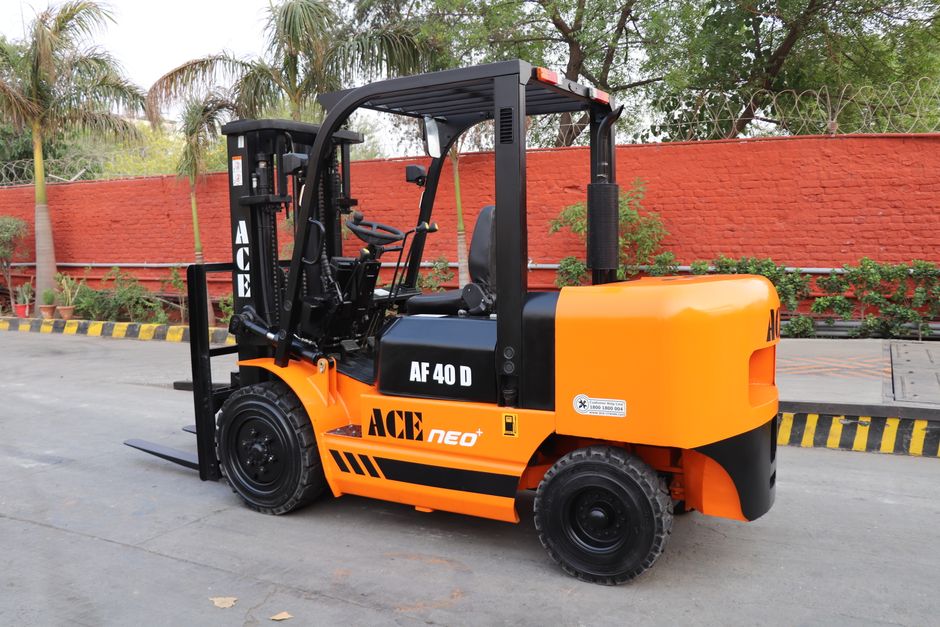
Introduction: Why Buy Used Material Handling Equipment?
In today's competitive industrial landscape, optimizing operational costs without sacrificing efficiency is a top priority for warehouse managers, logistics coordinators, and business owners. Material handling equipment—from forklifts and pallet jacks to conveyor systems and automated guided vehicles—is the backbone of any efficient warehouse or manufacturing facility. However, purchasing new equipment can require a significant capital investment. This is where the used material handling equipment market shines. Buying pre-owned equipment can save you 30% to 60% compared to new, allowing you to allocate budget elsewhere, expand your fleet faster, or test new operational strategies with minimal financial risk. But to reap these benefits, you need to navigate the used market wisely. This comprehensive guide provides expert buying tips to help you make informed decisions, avoid costly pitfalls, and ensure your used equipment delivers reliable performance for years to come.
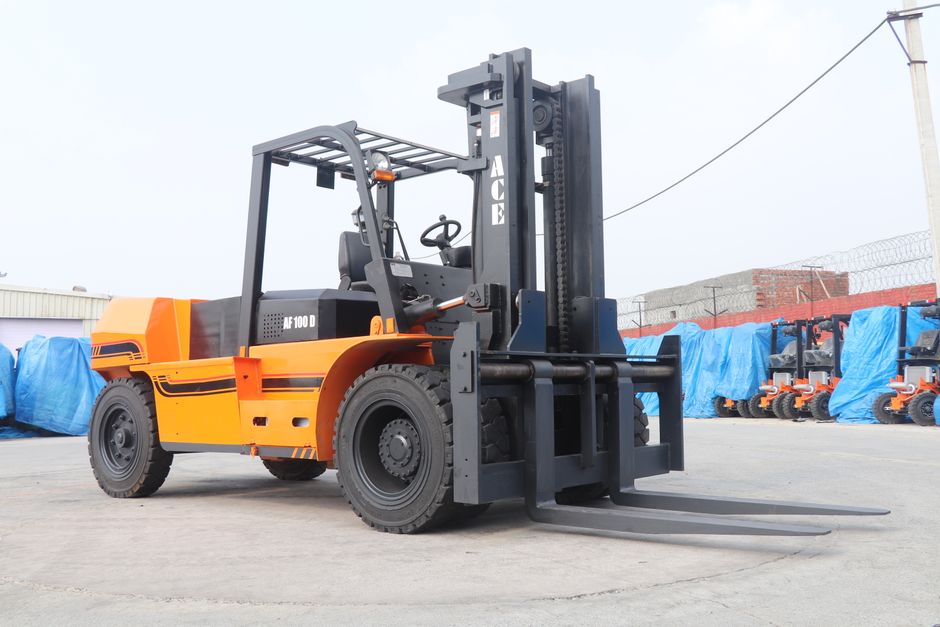
1. Assess Your Operational Needs Before You Shop
Before browsing listings or contacting dealers, take a step back and define exactly what your operation requires. Buying used equipment without a clear understanding of your needs often leads to mismatched purchases that waste money and floor space. Consider the following factors:
- Load Capacity: What is the maximum weight you need to lift or move? Ensure the equipment's rated capacity exceeds your heaviest loads by at least 20% for safety and longevity.
- Lift Height: For forklifts and reach trucks, determine the highest shelf or rack level you need to access. Used equipment with insufficient lift height is useless.
- Power Source: Electric, propane, diesel, or manual? Each has pros and cons. Electric is ideal for indoor use, while diesel suits outdoor or heavy-duty applications.
- Environment: Will the equipment operate in narrow aisles, cold storage, or hazardous locations? Specialized features like explosion-proof motors or cold-store conditioning are critical.
- Throughput: How many moves per hour do you need? This affects the type and size of equipment, as well as its duty cycle.
Once you have a clear specification list, you can narrow your search and avoid distractions from irrelevant deals.
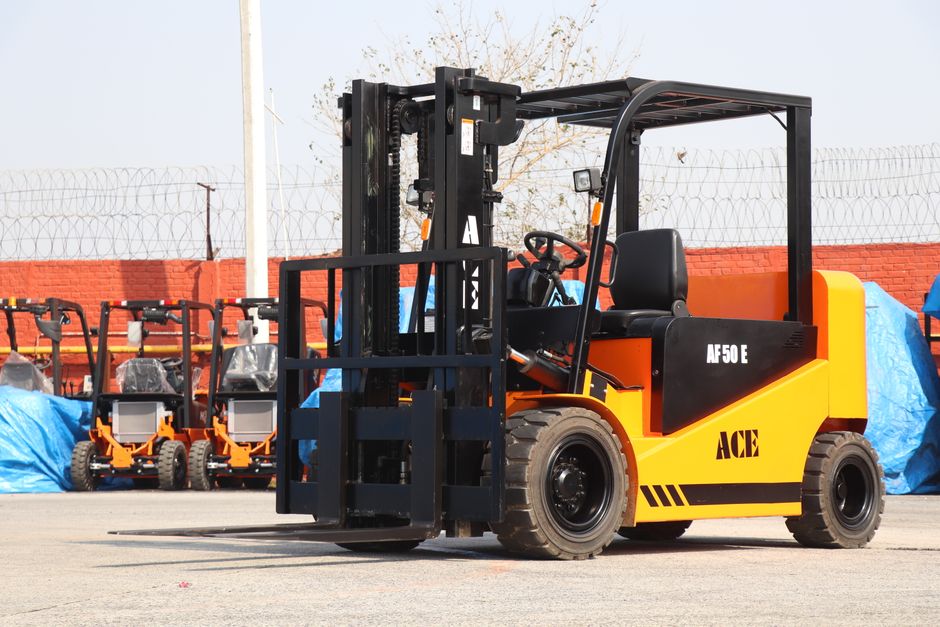
2. Research the Market and Set a Realistic Budget
The used material handling equipment market is diverse, with prices varying widely based on brand, age, condition, and features. Do your homework to understand fair market value. Check online marketplaces, auction sites, and dealer inventories. Factors that influence price include:
- Brand Reputation: Premium brands like Toyota, Crown, and Hyster often retain higher resale value due to reliability and parts availability.
- Age and Hours: Equipment with lower operating hours and fewer years in service commands a higher price.
- Maintenance History: A well-documented service record can justify a premium.
- Included Attachments: Forks, clamps, and other attachments add value.
Set a budget that includes not just the purchase price but also potential refurbishment, shipping, and warranty costs. Remember, the cheapest option upfront may not be the most cost-effective over its lifespan.
3. Inspect the Equipment Thoroughly
Never buy used material handling equipment sight unseen. A thorough inspection is your best defense against hidden problems. If you can't inspect it in person, hire a qualified third-party inspector. Here's what to check:
3.1 Visual Inspection
- Structural Integrity: Look for cracks, bends, or excessive rust on the frame, mast, and forks. Even minor damage can compromise safety.
- Leaks: Check for hydraulic fluid, oil, or coolant leaks. Puddles under the machine are a red flag.
- Tires: Worn or chunked tires affect stability and braking. Replacement costs can add up quickly.
- Forks and Attachments: Inspect for cracks, wear, and proper alignment. Forks should be within 10% of original thickness.
- Operator Compartment: Ensure seats, controls, and safety features (seatbelt, horn, lights) are functional.
3.2 Functional Testing
- Start and Idle: Listen for unusual noises, excessive smoke, or rough idling.
- Lift and Lower: Test the hydraulic system under load. It should operate smoothly without jerking or drifting.
- Steering and Brakes: Check for responsiveness and any play in the steering wheel.
- Instruments and Alarms: Verify that all gauges, warning lights, and backup alarms work.
3.3 Documentation Review
- Service Records: Ask for maintenance logs. Regular servicing indicates a well-cared-for machine.
- Hours Meter: Verify that the hour meter is functioning and the reading is plausible given the equipment's age.
- Certifications: For equipment like cranes and hoists, ensure current load test certificates are available.
4. Evaluate the Seller and Warranty Options
Who you buy from can be as important as what you buy. Reputable dealers often offer warranties, return policies, and after-sales support, while private sellers may offer lower prices but no recourse. Consider these seller types:
- Authorized Dealers: Often sell certified pre-owned equipment with warranties. Higher price but peace of mind.
- Independent Dealers: May offer a range of equipment at competitive prices. Check their reputation and warranty terms.
- Auction Houses: Can yield bargains but typically sell as-is. Inspection is crucial.
- Private Sellers: Usually the cheapest but riskiest. No warranty, limited history.
Always ask about warranty coverage. Even a 30-day warranty can protect you from immediate major failures. Some dealers offer extended warranties for an additional fee, which can be worthwhile for critical equipment.
5. Consider Total Cost of Ownership (TCO)
The purchase price is just the beginning. To make a truly informed decision, calculate the total cost of ownership over the expected life of the equipment. TCO includes:
- Purchase Price: Negotiated cost.
- Refurbishment and Repairs: Immediate fixes needed to make it operational.
- Maintenance and Parts: Ongoing costs. Older equipment may need more frequent repairs.
- Energy/Fuel: Operating costs vary by power source.
- Downtime: Unplanned downtime can be costly. Reliability matters.
- Resale Value: Some equipment holds value better than others.
Use a simple spreadsheet to compare TCO for new vs. used options. Sometimes a slightly more expensive used unit with lower maintenance needs is the better long-term investment.
6. Negotiate Wisely
Negotiation is expected in the used equipment market. Armed with your inspection findings and market research, you can negotiate confidently. Tips:
- Point Out Flaws: Use identified issues as leverage to lower the price.
- Bundle Purchases: If buying multiple items, ask for a discount.
- Be Prepared to Walk Away: If the seller won't budge and the price doesn't reflect condition, move on.
- Get It in Writing: Ensure all agreements, including warranty terms, are documented.
7. Arrange Shipping and Setup
Used equipment often requires transportation from the seller's location to yours. This can be a significant cost, especially for large items like forklifts. Obtain quotes from specialized heavy equipment movers. Also, plan for unloading and setup. Some equipment may need assembly or calibration. Factor these logistics into your budget and timeline.
8. Train Your Operators
Even if your operators are experienced, used equipment may have different controls or handling characteristics than what they're used to. Provide proper training to ensure safety and efficiency. OSHA requires that forklift operators be trained and evaluated on the specific equipment they will operate. Don't skip this step—it protects your team and your investment.
9. Leverage Technology for Due Diligence
Modern tools can aid your search and evaluation. Use online platforms to compare prices, check equipment history reports (like those for vehicles), and even conduct virtual inspections via video calls. Some dealers offer 360-degree views and detailed photos. Additionally, telematics systems on newer used equipment can provide data on usage and maintenance, giving you greater insight.
10. Common Pitfalls to Avoid
To summarize, here are the most common mistakes buyers make when purchasing used material handling equipment:
- Buying Without Inspection: Always inspect or have a professional do it.
- Ignoring Maintenance History: A lack of records is a red flag.
- Overlooking Hidden Costs: Factor in repairs, shipping, and training.
- Choosing Price Over Quality: The cheapest option often costs more in the long run.
- Forgetting About Parts Availability: Ensure parts are readily available for the model.
- Not Negotiating: You can often get a better deal.
- Skipping Training: Safety and efficiency depend on proper operation.
Conclusion: Smart Buying for Long-Term Success
Purchasing used material handling equipment can be a strategic move that saves your business significant capital while still meeting operational demands. By following the tips outlined in this guide—assessing your needs, researching the market, inspecting thoroughly, evaluating sellers, calculating TCO, and negotiating wisely—you can avoid common pitfalls and acquire reliable equipment that serves you well for years. Remember, the goal is not just to save money upfront but to achieve the lowest total cost of ownership and maintain a safe, efficient workplace. With careful planning and due diligence, used equipment can be a smart investment in your company's future.